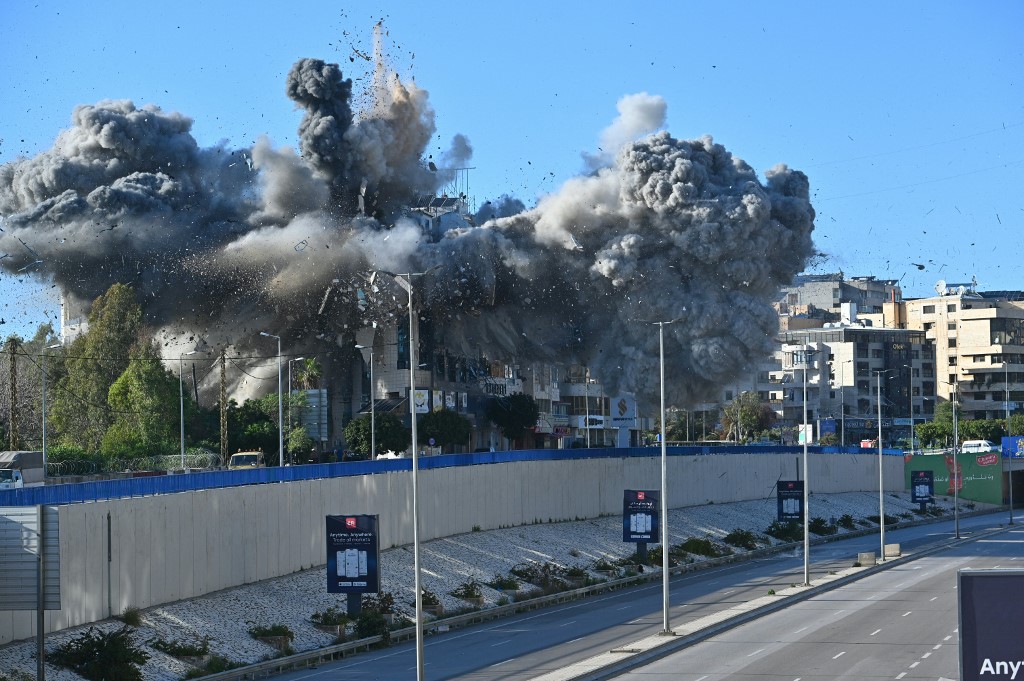
The Group of Seven (G7) and the Gulf Cooperation Council (GCC) are preparing for a significant meeting next week to address the escalating tensions in the Strait of Hormuz. This meeting comes at a time when the region is experiencing heightened geopolitical tensions, raising concerns over maritime and economic security in one of the world's most vital maritime corridors.
French Foreign Ministry spokesperson, Pascal Confavreux, announced that the meeting will take place as part of efforts to resolve the current crisis in the region. France, currently holding the G7 presidency, plays a pivotal role in coordinating between G7 member states and the Gulf nations.
Event Details
The meeting is expected to focus on ways to enhance security in the Strait of Hormuz, which is a vital transit point for oil and natural gas. Approximately 20% of the world's total oil passes through this strait, making it a potential target for military tensions and conflicts.
This initiative comes amid growing fears of escalating hostilities between Iran and the United States, as the region has witnessed several maritime incidents in recent months, including attacks on oil tankers. The meeting aims to find diplomatic solutions to ease tensions and ensure safe navigation in the area.
Background & Context
Historically, the Strait of Hormuz has been the scene of numerous geopolitical crises, witnessing conflicts between major powers and regional states. In the 1980s, there was a naval conflict between Iran and Iraq, while the last decade has seen escalating tensions between Iran and the United States, particularly following Washington's withdrawal from the Iranian nuclear deal in 2018.
The Gulf Cooperation Council states, especially Saudi Arabia and the United Arab Emirates, are among the most affected by the tensions in the region, as their economies heavily depend on oil exports. Therefore, any escalation in the situation could directly impact their economic and security stability.
Impact & Consequences
If the meeting succeeds in achieving tangible progress, it could contribute to calming the situation in the region and enhance the stability of global oil markets. Conversely, if the talks fail, it may lead to heightened tensions, negatively affecting the global economy.
Many analyses predict that any escalation in the Strait of Hormuz could lead to rising oil prices, impacting consumer countries and increasing the cost of living. Additionally, any military confrontation could have unforeseen repercussions on regional and international security.
Regional Significance
Arab countries, especially those located along the Gulf, are among the most affected by developments in the Strait of Hormuz. Maritime security in this strait directly impacts oil and gas exports, reflecting on the economies of these nations.
The success of the meeting in achieving consensus between major powers and Gulf states could contribute to enhancing security and stability in the region, paving the way for further economic and political cooperation between Arab countries and Western nations.
In conclusion, hopes are pinned on the outcomes of the anticipated meeting, as the region looks forward to diplomatic solutions that ensure security and stability in the Strait of Hormuz, alleviating the tensions that threaten regional and global security.