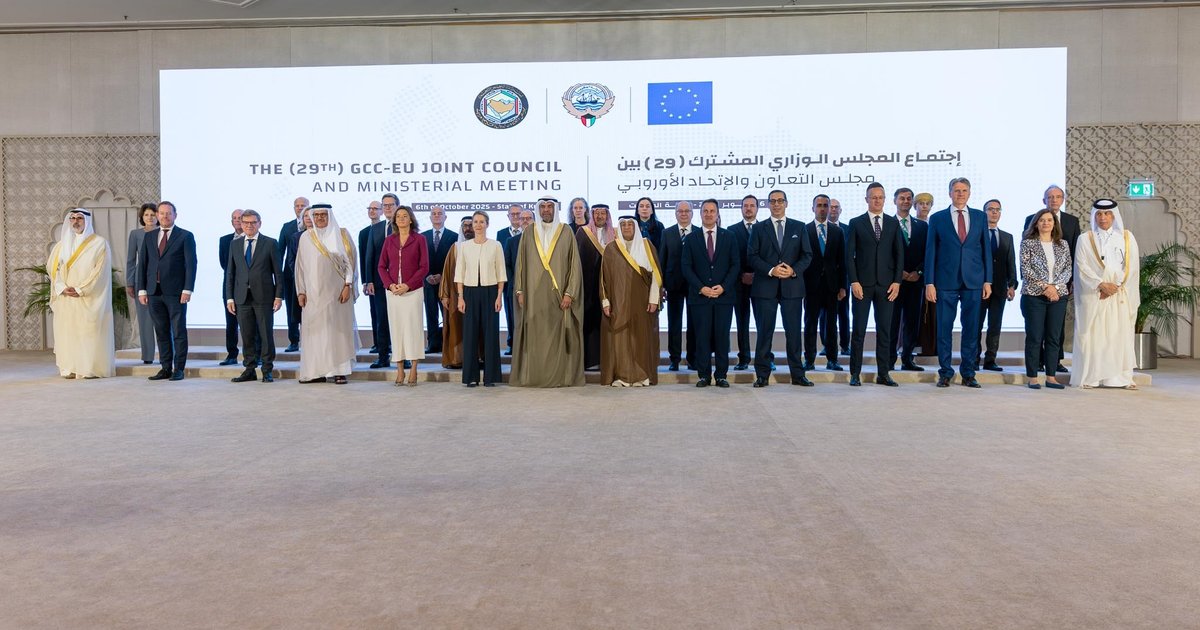
The French Foreign Ministry announced on Thursday the organization of an anticipated meeting between the G7 countries and the Gulf Cooperation Council (GCC) states to discuss the escalating situation in the Hormuz Strait. This meeting comes at a time when the strait is witnessing increasing tensions, necessitating coordination between major powers and Gulf states.
The Hormuz Strait is considered one of the most important waterways in the world, through which approximately 20% of global oil exports pass. Therefore, any tension in this region directly affects global markets and oil prices, making it essential for the concerned countries to cooperate to resolve any disputes that may arise.
Details of the Event
The meeting aims to assess the current situation in the Hormuz Strait, which has recently seen a rise in military activities and tensions between Iran and Western countries. Discussions will also focus on ways to enhance maritime security in the region and ensure freedom of navigation, which is vital for global economies.
Foreign ministers or high-level representatives from G7 member countries, including the United States, Canada, the United Kingdom, France, Germany, Italy, and Japan, are expected to participate in the meeting, along with representatives from the Gulf Cooperation Council states.
Background & Context
Tensions in the Hormuz Strait stem from several factors, including ongoing regional conflicts and Iranian threats to close the strait if its interests are jeopardized. Additionally, the economic sanctions imposed on Iran have heightened tensions, prompting major powers to adopt more cautious positions.
In recent years, the region has witnessed several maritime incidents, including attacks on oil tankers, leading to international calls for enhanced security in these vital waterways. The upcoming meeting represents an opportunity to coordinate international efforts to address these challenges.
Impact & Consequences
If agreements or understandings are reached during the meeting, it could contribute to easing tensions in the region and stabilizing oil prices in global markets. Furthermore, cooperation between major powers and Gulf states may help improve relations among the concerned parties.
On the other hand, if effective solutions are not reached, the situation in the region may worsen, potentially leading to military escalation or new crises that affect regional and international security.
Regional Significance
The Arab Gulf states are the most affected by developments in the Hormuz Strait, as their economies heavily rely on oil exports. Therefore, any escalation in tensions could negatively impact the stability of these countries and increase the risks of economic crises.
Moreover, the meeting represents an opportunity for Arab countries to strengthen their position on the international stage and emphasize the importance of regional and international cooperation to resolve ongoing issues.