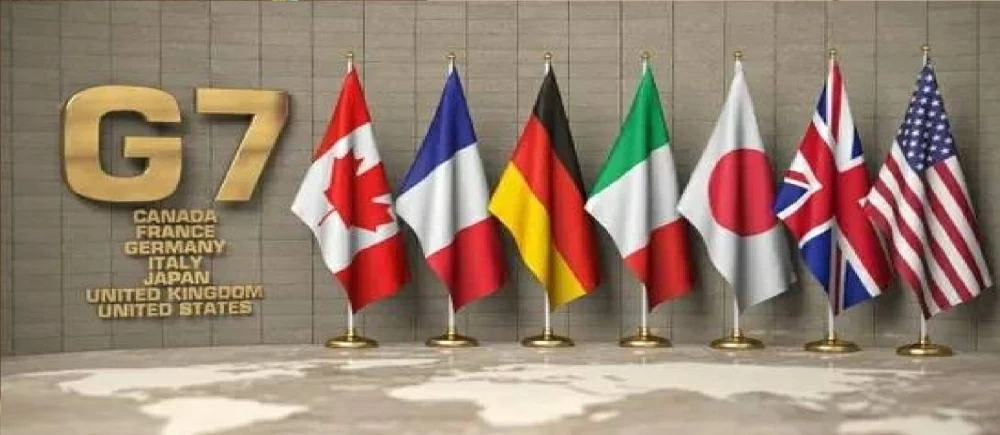
G7 finance and energy ministers have expressed their readiness to take all necessary actions to ensure stability in the energy market amid the repercussions of the war in the Middle East. This was stated in a joint statement from the ministers, where they highlighted the importance of coordinated international efforts to mitigate economic repercussions and protect macroeconomic stability.
These statements come ahead of the G7 ministerial summit in France, where the wars in Iran and Ukraine top the agenda. The ministers previously warned that the ongoing conflicts, particularly the war waged by the United States and Israel against Iran, could lead to a global economic catastrophe.
Event Details
Concerns are growing in Europe regarding the implications of the conflict, as EU countries are expected to pressure Washington to find a negotiated exit that limits the consequences of the war. In this context, German Defense Minister Boris Pistorius stated that the war represents a disaster for all world economies, pointing out that European countries have not been consulted from the outset.
For his part, French Finance Minister Roland Lescure revealed that between 30 to 40% of refining capacity in the Gulf is now offline, and that 17% of gas production has been significantly affected, according to estimates from Qatar. He explained that repairing the damages could take about three years.
Background & Context
This summit comes at a sensitive time, as tensions in the Middle East escalate. The war in Iran, which has exacerbated economic crises, adds to the ongoing conflict in Ukraine, increasing pressure on global markets.
Historically, the G7 has been considered one of the major economic powers striving to achieve stability in global markets. However, the current challenges require a swift and effective response, especially in light of the instability facing the global economy.
Impact & Consequences
If the situation continues as it is, the economic impacts could be widespread, potentially leading to rising energy prices, which would affect the cost of living in many countries. Additionally, vulnerable nations, particularly in Africa, may face harsher repercussions as a result of these crises.
Italian Prime Minister Giorgia Meloni also warned that the continuation of the crises would lead to broader economic and social repercussions, necessitating urgent action from the international community.
Regional Significance
Arab countries, especially those reliant on oil exports, are among the most affected by fluctuations in the energy market. With increasing economic pressures, these countries may find themselves in a difficult position that requires them to reassess their economic strategies.
Under these circumstances, Arab nations must enhance cooperation among themselves to face economic challenges and work towards sustainable solutions that ensure the stability of energy markets.
In conclusion, the stability of the energy market remains a vital issue that requires effective international coordination, especially in light of the multiple crises facing the world today.