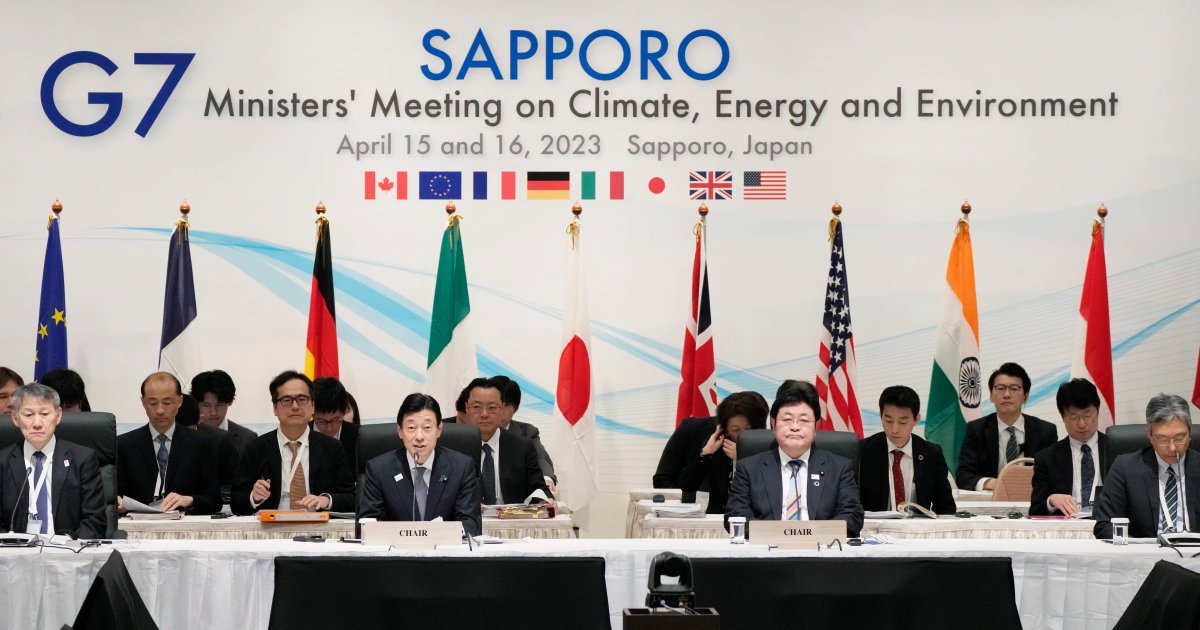
The G7, which includes the world's leading industrial nations, has urged against imposing unjustified restrictions on hydrocarbon exports and related products. The group emphasized that such restrictions could exacerbate global economic crises, stressing the necessity of maintaining market stability.
During the earlier meeting, various global economic issues were discussed, including the impact of geopolitical crises on energy markets. Leaders expressed concern that imposing restrictions on hydrocarbon exports could lead to rising prices and increased pressure on the global economy.
Details of the Meeting
The G7 meeting, held under challenging economic conditions, saw participation from the leaders of member countries who discussed ways to enhance cooperation in energy and trade sectors. The final statement of the meeting highlighted the importance of joint efforts to tackle the economic challenges facing the world.
There was also a strong emphasis on the need to enhance transparency in energy markets, with leaders noting that accurate and updated information plays a vital role in making sound economic decisions. New mechanisms were proposed to strengthen cooperation among member states in the energy sector.
Background & Context
This call comes at a time when the world is experiencing significant fluctuations in energy prices due to geopolitical crises and trade disputes. The war in Ukraine has affected gas and oil supplies, leading to price increases in global markets.
Additionally, tensions among major countries regarding energy and trade issues have heightened market instability. In this context, the G7 aims to enhance cooperation among member states to avoid exacerbating economic crises.
Impact & Consequences
If restrictions on hydrocarbon exports are imposed, it could lead to a significant increase in prices, adversely affecting consumers and economies worldwide. Leaders warned that such restrictions could worsen economic crises, particularly in developing countries that heavily rely on energy imports.
Moreover, instability in energy prices could impact corporate investments in the energy sector, potentially leading to reduced production and increased unemployment in some nations. Therefore, maintaining market stability is crucial for ensuring sustainable economic growth.
Regional Significance
Arab countries are among the largest producers of hydrocarbons in the world, and any changes in energy export policies could significantly impact their economies. Should restrictions on hydrocarbon exports be imposed, Arab nations might face new challenges in maintaining stable oil and gas prices.
Furthermore, stability in energy markets is vital for Arab countries that depend on oil revenues to finance their budgets. Thus, the G7's call to avoid restrictions on hydrocarbon exports comes at a particularly sensitive time for Arab economies.
In conclusion, it appears that the G7 is seeking to enhance international cooperation to address global economic challenges. Maintaining stability in energy markets is one of the main objectives for achieving sustainable economic growth.