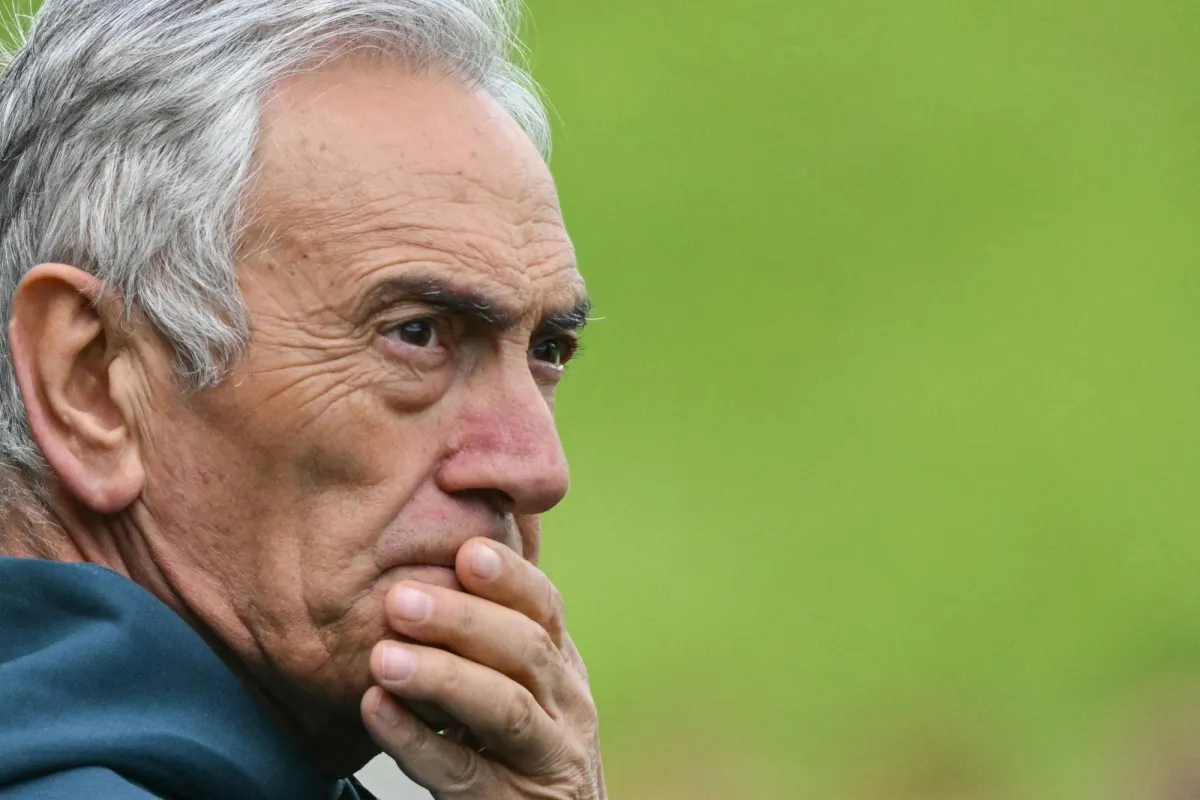
Gabriel Gravina, the president of the Italian Football Federation, is expected to submit his resignation today (Thursday), just two days after his country’s national team failed to qualify for the World Cup for the third consecutive time.
This move comes amid intense public and official pressure, as Italian Sports Minister Andrea Abodi has called for a renewal of the federation's leadership to rebuild Italian football from the ground up, following the defeat in the European playoff final against Bosnia and Herzegovina on penalties.
Details of the Event
Despite Gravina's insistence on retaining his position in the early hours following the elimination, asserting that the decision lies with the federal council, Italian media outlets, including the newspapers "La Gazzetta dello Sport" and "Corriere dello Sport," have reported that his resignation is imminent, as he has lost support from both the public and officials.
Adding to the anger towards Gravina were his controversial statements that belittled other sports in Italy, describing them as amateur or state-dependent, compared to football, which sparked a wave of widespread social discontent.
Background & Context
Historically, Italian football has experienced numerous ups and downs, witnessing periods of brilliance and others of failure. After the Italian national team won the World Cup four times, it was expected that this success would continue; however, recent results, including the failure to qualify for the World Cup, have significantly impacted the reputation of the sport in the country.
Gravina's resignation comes at a sensitive time, as the Italian Federation seeks to rebuild itself after a series of disappointing results. This resignation could represent a new beginning for Italian football, which needs new strategies and innovative ideas to overcome current crises.
Impact & Consequences
Gravina's resignation is expected to lead to radical changes in the structure of the Italian Football Federation, with a call for an electoral assembly to select a new president within 90 days. Several prominent names have already begun to emerge as potential successors, led by Giovanni Malagò, a member of the International Olympic Committee.
The press has also circulated legendary names in the world of Italian football, such as Adriano Galliani and former players Alessandro Del Piero and Paolo Maldini, indicating a desire to restore the historical identity of Italian football.
Regional Significance
Football in Italy is part of the global sports culture, and its influence extends to Arab countries that follow the Italian league and consider it among the best. Changes in the management of the Italian Federation may affect relationships between Italian clubs and Arab clubs, particularly in areas such as transfers and sports cooperation.
Ultimately, Gravina's resignation represents an opportunity to reassess the current situation in Italian football and could mark the beginning of a new phase of success and development.