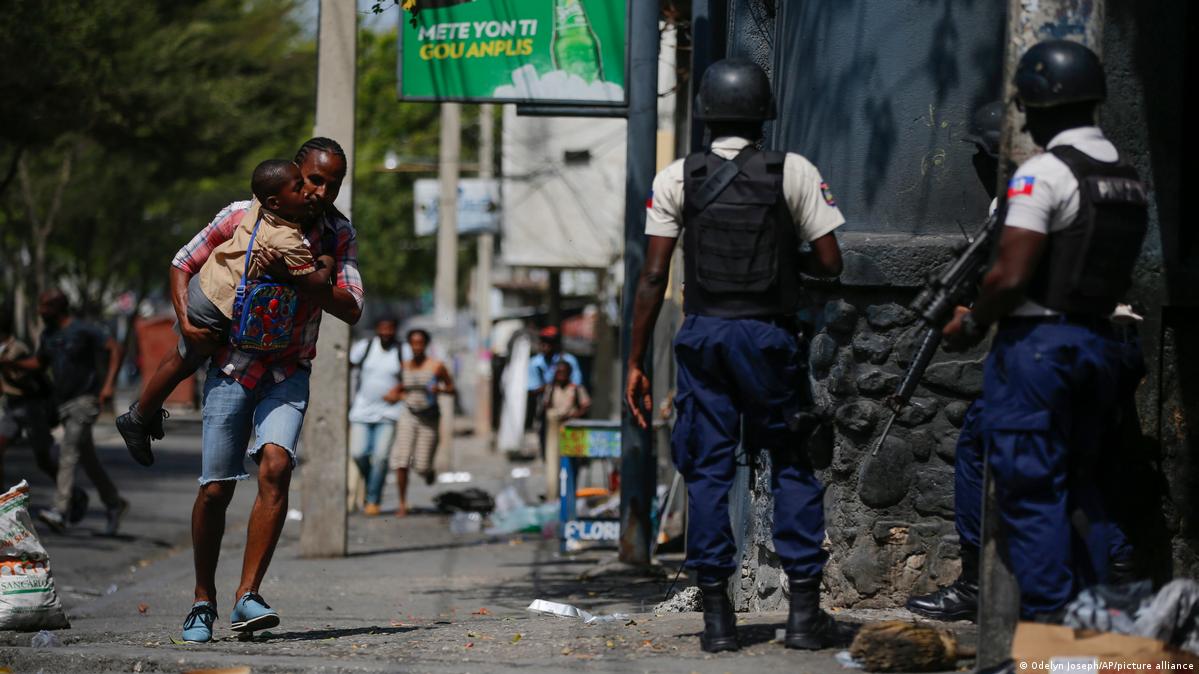
A series of violent attacks carried out by the 'Gran Grif' gang in the Jean Denis area of Artibonite, Haiti, resulted in the deaths of 16 people and injuries to 10 others, according to local police. The attacks occurred between the evening of Saturday, March 28, and the morning of Sunday, March 29, during which the area experienced a surge in violence, prompting many residents to flee their homes.
While the National Police of Haiti confirmed the number of dead and injured, local sources reported that the actual death toll could reach 70 people, with warnings of a potential increase in this figure. Reports also indicated that some victims may still be trapped inside homes that were set ablaze, complicating the process of determining the final number of casualties.
Details of the Incident
The attacks carried out by the 'Gran Grif' gang were characterized by extreme violence, as armed individuals indiscriminately fired upon civilians and set several homes on fire. This type of violence highlights the rampant issue of armed gangs in Haiti, which increasingly threaten the security and stability of the country.
Reports indicate that the attacks were well-coordinated, targeting residential areas late at night, which heightened the panic among residents. Local authorities confirmed they are working to assess the security situation in the area, but access to some regions remains difficult due to ongoing violence.
Background & Context
Haiti has been experiencing a state of security chaos for several years, with armed gangs controlling many areas, leading to increased violence and rising crime rates. In recent years, the country has witnessed a surge in violent incidents, as gangs impose their control over neighborhoods and engage in robbery and kidnapping.
Historically, Haiti has suffered from political and economic instability, contributing to widespread poverty and unemployment. These conditions have facilitated the growth of armed gangs, which exploit the situation to further their own interests. In recent years, there have been international calls for assistance to help Haiti improve its security situation, but the response has been limited.
Impact & Consequences
The violence in Haiti exacerbates humanitarian conditions, forcing many residents to flee their homes in search of safety. This mass displacement increases pressure on the country's limited resources and negatively affects essential services such as education and healthcare.
Moreover, the continuation of violence could worsen economic crises, as investors face challenges operating in an unstable environment. This situation could hinder development efforts and increase poverty rates, creating a vicious cycle of violence and poverty.
Regional Significance
Although the events in Haiti may seem distant from the Arab region, there are lessons to be learned. The security and economic challenges faced by Haiti reflect similar issues in some Arab countries, where instability and violence persist.
These events serve as a reminder of the importance of enhancing security and stability worldwide, as chaos in one place can affect global security overall. International cooperation in addressing humanitarian and security crises is essential for achieving peace and sustainable development.