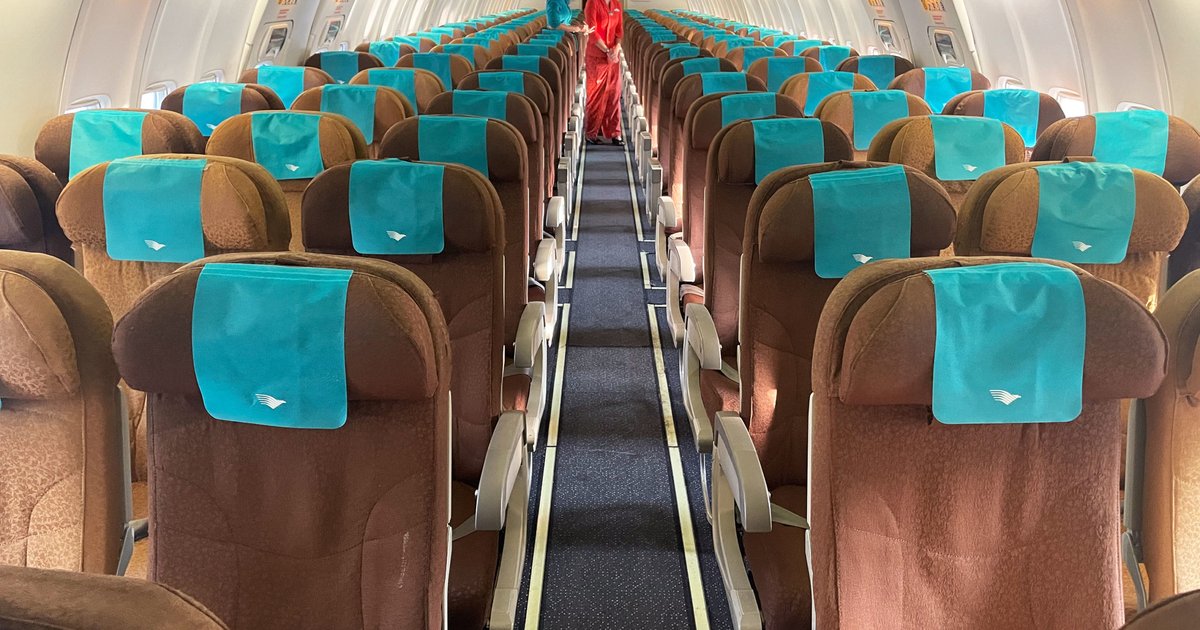
Garuda Indonesia, the national carrier of the country, announced a net loss of 5.4 trillion rupiah (approximately 318 million dollars) in 2025, reflecting a deeper crisis in the Indonesian aviation sector. These losses come at a time when the company has lost its 5-star rating from Skytrax, raising concerns among experts about the future of aviation in Indonesia.
Analysts pointed out that most airlines in Indonesia are facing financial pressures, indicating structural problems in the industry rather than specific mismanagement. Fak Fahmi, President of the Indonesian Aviation Association, stated, "The national finances of airlines are on the road to recovery after the COVID-19 pandemic, but they have not yet reached full health."
Details of the Situation
Garuda Indonesia is facing multiple challenges, including rising local fuel prices, fleet restrictions due to global supply chain disruptions, and a price-sensitive market. These challenges are not unique to Garuda but represent a structural crisis for the entire sector. For instance, AirAsia Indonesia reported a net loss of 1.29 trillion rupiah in the same year.
Established in 1949, Garuda Indonesia is the national carrier serving the residents of the Indonesian islands, making it essential to maintain its operational capacity. Gatot Raharjo, an aviation expert, remarked, "If its capacity declines, what about the residents of remote islands? They will feel the impact."
Background & Context
Historically, the aviation sector in Indonesia is a crucial part of the transportation infrastructure, connecting over 17,000 islands, of which about 6,000 islands are inhabited. However, Garuda Indonesia continues to face ongoing difficulties, despite receiving repeated government support. Chabi Hakim, founder of the Indonesian Air Power Studies Center, noted, "The measures taken have been repetitive: injecting funds, changing management, but the results have not changed."
In 2025, half of Garuda's fleet was under maintenance, significantly affecting its operational capacity. The sharp increase in maintenance costs and rising fuel prices due to global disruptions are also contributing to the worsening situation.
Impact & Consequences
Reports indicate that Garuda's crisis may deepen due to the war in Iran, which has led to a global fuel crisis. Analysts say the company needs to take decisive measures to prevent further losses. Additionally, pressures from regulating ticket prices locally hinder companies' ability to pass cost increases onto consumers.
Garuda is also under pressure from its low rating from Skytrax, having been downgraded from 5 stars to 4 stars due to declining product and service quality. This decline reflects the financial and operational pressures affecting service continuity.
Regional Significance
The crisis of Garuda Indonesia serves as a warning for many Arab countries that rely on the aviation sector as a vital part of their economy. With increasing global challenges, these countries may need to reassess their aviation sector strategies to ensure sustainability.
Ultimately, Garuda Indonesia's losses should be viewed as a wake-up call regarding the deeper structural challenges in the Indonesian aviation system, which require long-term political solutions rather than short-term fixes.