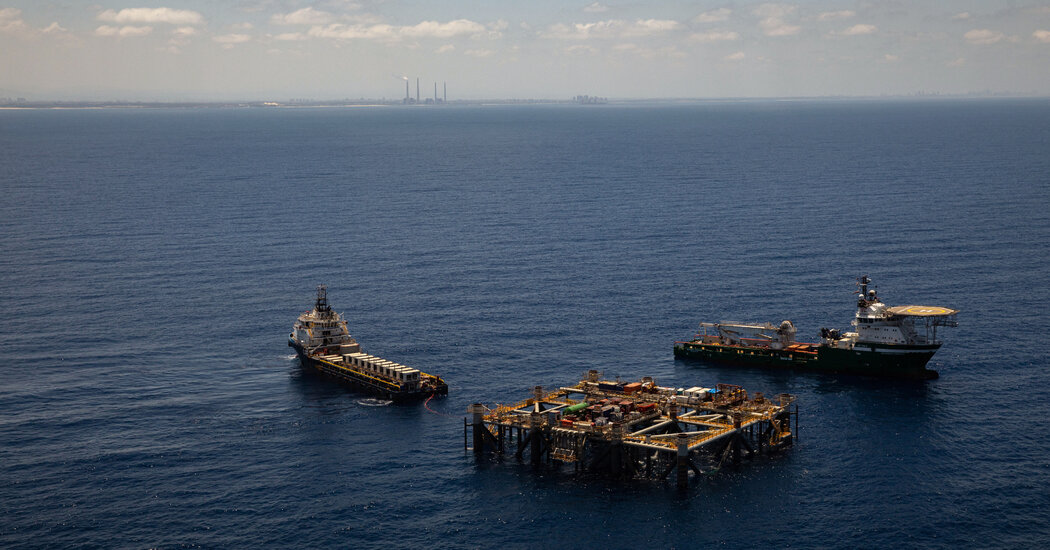
Natural gas flows from Israel to Egypt have resumed to their pre-war levels following the restart of production in Israel's largest gas fields. This development comes at a critical time as both countries seek to enhance cooperation in the energy sector, reflecting the importance of their economic relations.
This step signifies a stabilization of the regional gas market, which had been significantly affected by political and security events in the region. With the resumption of production, Israel is expected to play a larger role in meeting Egypt's energy needs, thereby enhancing the prospects for cooperation between the two nations.
Details of the Event
Israeli gas flows to Egypt had seen a notable decline in recent times due to regional tensions. However, with the resumption of production at the Leviathan field, which is considered one of the largest gas fields in Israel, these flows have returned to their previous levels. It is noteworthy that the Leviathan field began production in 2019 and has significantly contributed to boosting Israeli gas exports to regional markets.
Egypt is one of the largest importers of Israeli gas, with exports occurring via underwater pipelines. These pipelines serve as a lifeline for energy in the region and help meet the increasing energy demands of the Egyptian market.
Background & Context
Historically, relations between Egypt and Israel have experienced numerous fluctuations, particularly in the energy sector. Following the signing of the peace treaty between the two countries in 1979, Egypt began importing Israeli gas, which helped enhance economic cooperation. However, political events in the region, including armed conflicts and economic crises, have impacted gas flows.
In recent years, the region has witnessed significant transformations, with Egypt becoming a regional energy hub following major gas discoveries in the Mediterranean Sea. These discoveries have prompted Egypt to strive for self-sufficiency in gas and even export to European markets.
Impact & Consequences
The return of Israeli gas flows to Egypt could strengthen economic relations between the two countries, opening the door for further cooperation in other areas such as investment and infrastructure. This collaboration may also contribute to the stability of the regional energy market, benefiting all parties involved.
Moreover, the resumption of gas flows could impact gas prices in global markets, as any increase in supply may lead to lower prices. This situation could have direct implications for regional economies, especially those that heavily rely on gas imports.
Regional Significance
This step is significant for Arab countries, as it reflects the potential for cooperation among nations in the energy sector. Amid the economic challenges facing many Arab countries, these relationships could serve as a source of new economic opportunities.
Additionally, enhancing cooperation in the energy sector may contribute to achieving stability in the region, helping to address common challenges such as climate change and economic crises.
The return of Israeli gas flows to Egypt represents an important step towards strengthening regional cooperation in the energy sector, potentially leading to greater stability in the regional market and opening new avenues for collaboration among Arab nations.