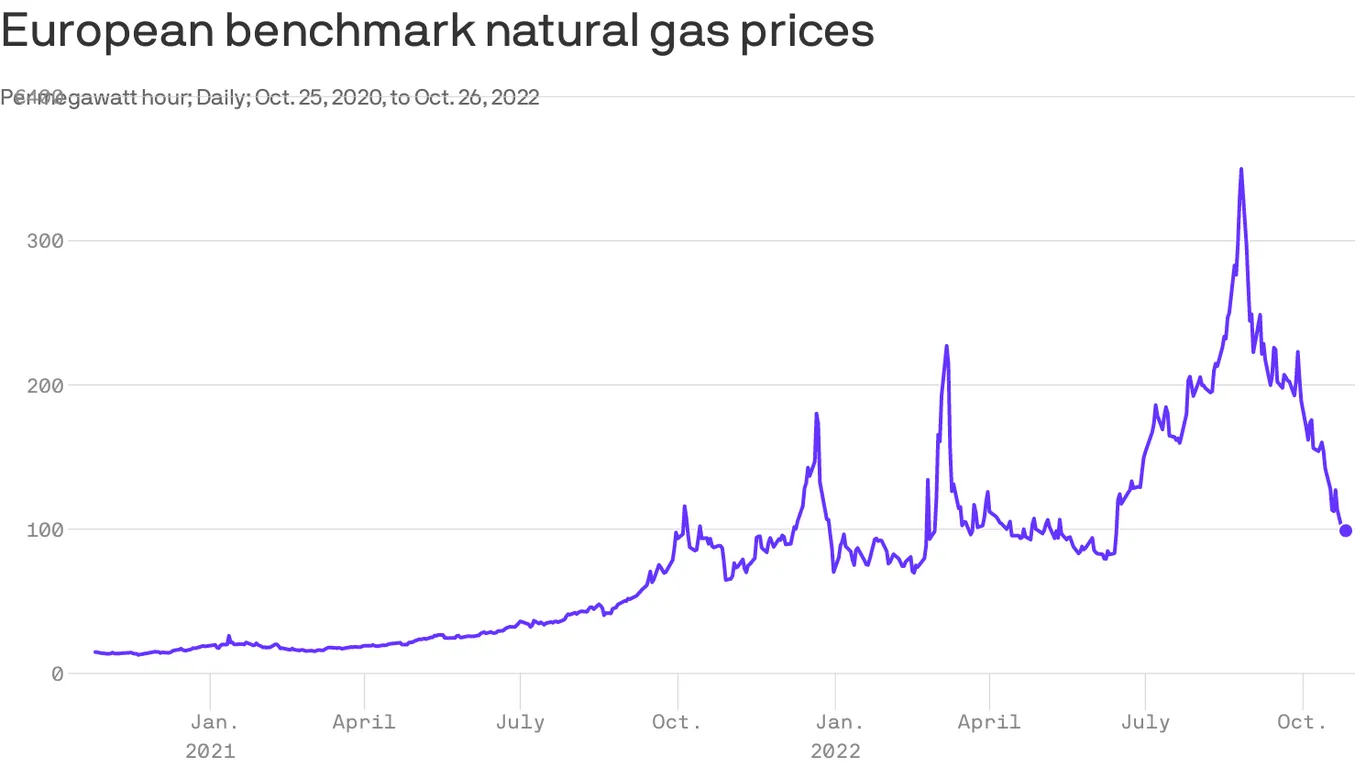
Natural gas prices in Europe saw a significant decline on Wednesday after the United States and Iran announced a two-week ceasefire agreement. This development comes at a sensitive time, as the global market is experiencing sharp fluctuations due to geopolitical tensions in the region.
The agreement reached between the two parties, aimed at calming the situation, could contribute to the reopening of the Strait of Hormuz, which is a vital artery for oil and gas trade. This announcement led to a decrease in gas prices by as much as 20%, reflecting the market's swift reaction to the positive news.
Details of the Agreement
Reports indicate that the agreement between the United States and Iran includes a cessation of hostilities for two weeks, which is considered an important step towards reducing tensions in the region. This development comes at a time when global energy markets are under increasing pressure due to fears of supply shortages.
Gas prices in Europe are closely linked to geopolitical events in the Middle East, where any escalation in conflicts can significantly impact supplies. With the announcement of the ceasefire, markets reacted positively, reflecting the importance of stability in the region.
Background & Context
Historically, the Strait of Hormuz has played a significant role in global oil trade, with approximately 20% of the total oil transported by sea passing through it. Any tension in this area can lead to a substantial rise in prices, affecting global economies.
In recent years, relations between the United States and Iran have seen increasing tensions, especially following the U.S. withdrawal from the nuclear agreement in 2018. These tensions have led to escalations in military conflicts in the region, negatively impacting energy markets.
Impact & Consequences
The ceasefire agreement could contribute to stabilizing gas prices in European markets, positively reflecting on the European economy. The price drop can help alleviate pressures on consumers and businesses, fostering economic growth in the region.
However, the question remains about the sustainability of this agreement, as any new escalation could lead to prices rising again. Therefore, continuous monitoring of the situation in the region will be essential to understand the potential impacts on the market.
Regional Significance
For Arab countries, the stabilization of gas prices could have positive effects on their economies, especially those heavily reliant on gas and oil exports. Oil-producing countries in the Arabian Gulf will benefit from price stability, enhancing their financial and investment planning capabilities.
At the same time, Arab nations must remain cautious of any potential escalation in the region, as ongoing tensions could negatively affect energy market stability and, consequently, their economies. Regional and international cooperation will be necessary to ensure market stability.
In conclusion, the ceasefire agreement between the United States and Iran represents a positive step towards easing tensions in the region, which may contribute to stabilizing gas prices in global markets. However, the greatest challenge remains maintaining this stability amid changing circumstances.