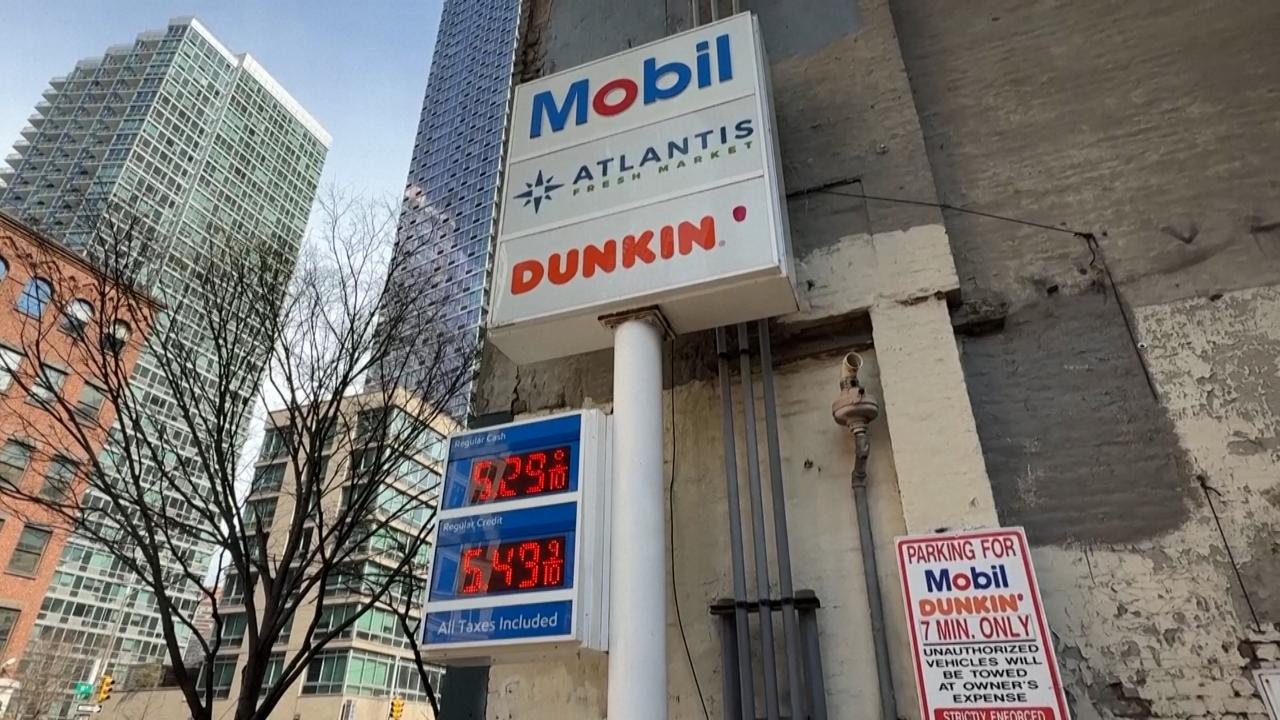
Gas prices in the United States have crossed the $4 per gallon mark amid rising geopolitical tensions with Iran, which directly impact global oil prices. The price of WTI crude oil has surpassed $100 per barrel, raising significant concerns about inflation in the American economy.
Reports indicate that this price increase comes at a sensitive time, as the U.S. economy faces mounting inflationary pressures. These conditions have affected consumers, who are experiencing rising living costs, thereby increasing pressure on American households.
Details of the Event
Gas prices are considered a crucial economic indicator reflecting the state of the oil market. Prices have seen a notable increase in recent weeks, exceeding $4 per gallon in some states. This rise comes at a critical time when many Americans are trying to cut back on their expenses due to the high cost of living.
Gas prices are significantly influenced by political tensions, particularly those related to Iran, one of the largest oil producers in the world. As these tensions escalate, analysts expect oil prices to continue rising, which will, in turn, affect gas prices in the future.
Background & Context
Historically, oil prices have experienced significant fluctuations due to geopolitical events. For instance, sanctions imposed on Iran have reduced its oil exports, affecting supply and demand in the global market. These factors have contributed to rising prices, which directly reflect on gas prices.
In recent years, the United States has undergone a transformation in oil production, becoming one of the largest producers in the world. However, international tensions still affect the market, making prices susceptible to volatility.
Impact & Consequences
The rise in gas prices serves as a warning signal for the American economy, as it could lead to increased inflation and a decline in consumer purchasing power. This situation may impact consumer spending, which is a key driver of the U.S. economy.
Additionally, rising gas prices could lead to increased transportation costs, affecting the prices of other goods and services. Consequently, this increase may create a vicious cycle of inflation, putting additional pressure on economic policymakers.
Regional Significance
The Arab region is one of the largest oil producers in the world, and thus any changes in oil prices directly affect its economies. With rising oil prices, some producing countries may benefit from increased revenues, but at the same time, oil-importing countries may face economic challenges.
Moreover, tensions in the Middle East, particularly with Iran, could affect the stability of oil markets, increasing uncertainty in the region. Therefore, monitoring developments in this context is essential for Arab countries.