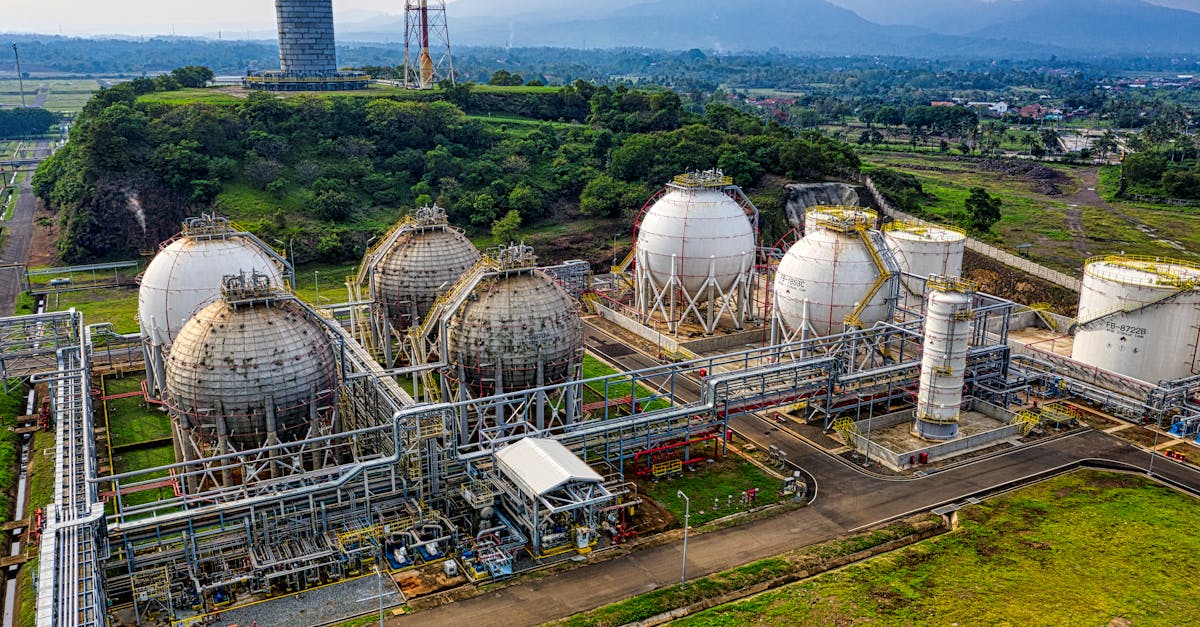
Natural gas prices in Europe have seen a slight increase after U.S. President Donald Trump threatened to destroy Iranian infrastructure if an agreement is not reached by the set deadline on Tuesday. These statements come amid escalating tensions between the United States and Iran, raising concerns about the potential impact on global energy markets.
In light of these threats, gas prices in European markets have risen, reflecting growing anxiety over the possibility of conflict escalation in the Middle East. Iran is one of the largest gas producers in the world, and any escalation in conflict could significantly affect gas supplies to Europe.
Details of the Event
Reports indicate that Trump warned that the United States would take strict action against Iran if it did not respond to his demands regarding the nuclear agreement. These statements follow a series of increasing tensions between the two countries, where fears have grown that any military escalation could disrupt global energy markets.
Gas prices in Europe are highly sensitive to geopolitical developments, as many European countries rely on Iranian gas. With the escalation of threats, markets have begun to respond quickly, leading to price increases in recent days.
Background & Context
Historically, relations between the United States and Iran have been tense, especially after the U.S. withdrawal from the nuclear agreement in 2018. Since then, the United States has imposed strict economic sanctions on Iran, impacting its economy and leading to a deterioration of relations between the two nations. These tensions are not new but have notably escalated recently.
Iran is a key player in the energy market, possessing vast reserves of gas and oil. Any escalation in conflict could have negative repercussions on global energy prices, reflecting on both the European and global economies.
Impact & Consequences
If tensions continue to escalate, we may witness negative impacts on energy markets, as any military actions could disrupt gas and oil supplies. This, in turn, could lead to significant price increases, affecting consumers and businesses worldwide.
Moreover, any escalation in conflict may increase pressure on European governments, which are striving to secure energy supplies for their citizens. Under these circumstances, governments may be compelled to take swift actions to address any potential supply shortages.
Regional Significance
The Arab region is significantly affected by the tensions between the United States and Iran, as Iran is a key player in many regional conflicts. Any escalation in conflict could exacerbate situations in countries like Iraq, Syria, and Lebanon, where conflicting Iranian and American interests are present.
Additionally, rising gas prices could impact Arab gas-producing countries, where some nations might benefit from the price hikes, while others could suffer from negative economic repercussions.
In conclusion, as tensions between the United States and Iran escalate, the future of natural gas prices in Europe remains uncertain. The current situation requires close monitoring by policymakers worldwide, as any escalation could lead to widespread effects on the global economy.