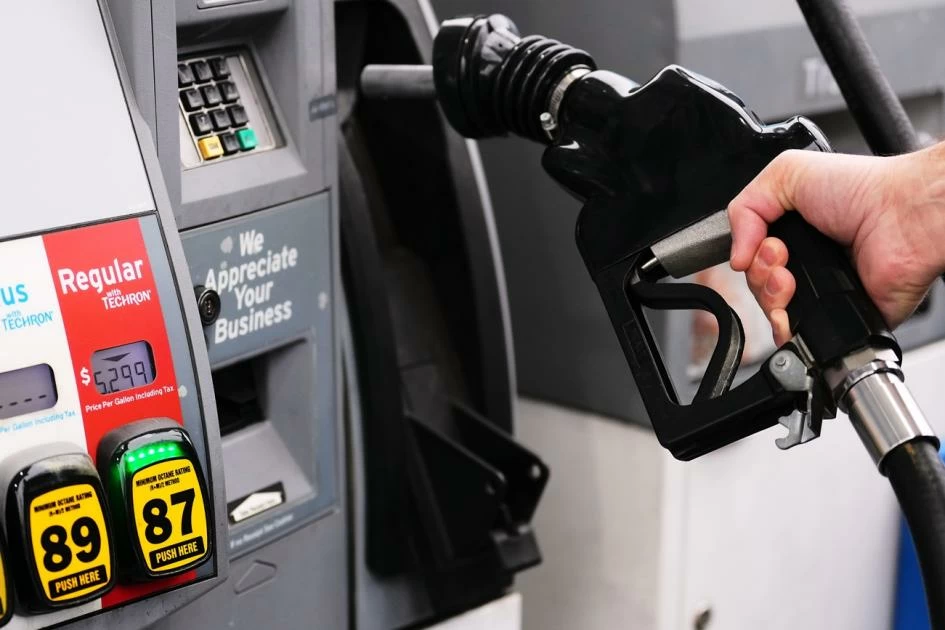
The average price of regular gasoline in the United States has seen a notable increase, reaching $4.1 per gallon, which is an increase of 12 cents compared to the previous week. This rise reflects the impact of regional tensions on the global energy market, especially following the military strikes carried out by the United States and Israel on Iran on February 28.
Data shows that the differences in gasoline prices among U.S. states remain significant. California records the highest average gasoline price in the country at $5.92 per gallon, while Oklahoma has the lowest at $3.29 per gallon.
Details of the Event
Analysts believe that the primary reason for this sharp increase in fuel prices is the disruption of traffic through the Strait of Hormuz, a vital waterway that sees about 20% of global oil transport. Additionally, the slowdown in oil production in the Middle East has also contributed to pushing prices higher.
Since the onset of the war at the end of February, crude oil prices have experienced a continuous rise, surpassing $110 per barrel this week. Part of this increase is attributed to Iran's control over the Strait of Hormuz, raising concerns about global oil supplies.
Background & Context
The United States is one of the largest oil producers in the world, yet it still relies on imports from other countries. Recently, President Donald Trump emphasized that America has plenty of gas and is not dependent on oil coming from the Strait of Hormuz, stressing that the U.S. is there to help others.
In this context, analyst Samantha Gross from the Brookings Institution for Energy and Security stated that oil is a globally traded commodity, and that the U.S., despite being one of the largest producers, will have to pay the same high prices as the global market.
Impact & Consequences
The rise in gasoline prices directly affects the U.S. economy, increasing transportation and shipping costs, which may lead to higher prices for goods and services. This increase could also influence consumer decisions, as some may opt to reduce car usage or seek more efficient alternatives.
Furthermore, if these price hikes continue, it may increase pressure on the U.S. government to take action to mitigate the effects of rising prices on citizens, especially given the current economic conditions.
Regional Significance
Arab countries are significantly affected by tensions in the Middle East, as this region is one of the most important oil-producing areas in the world. Rising oil prices may lead to increased revenues in some producing countries, but at the same time, it could heighten economic pressures on importing countries.
Ultimately, oil and gasoline prices remain closely tied to regional tensions and international policies, making it essential to closely monitor these developments to understand their impact on global markets.