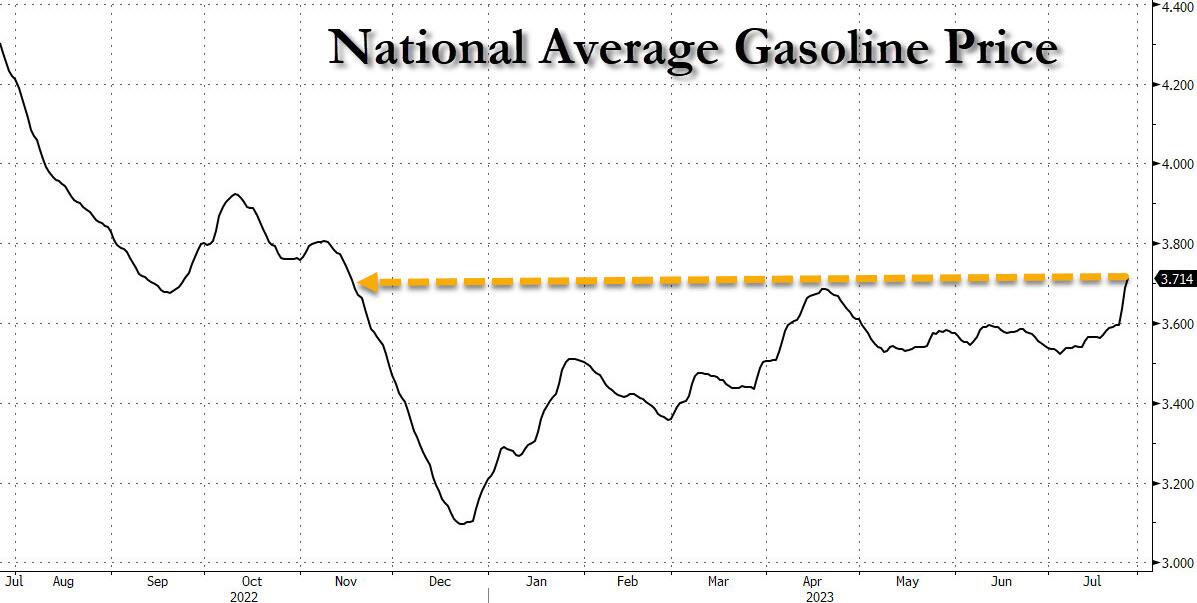
Gas prices in the United States have surged by a significant 37%, raising concerns among consumers and economic analysts alike. This increase comes at a time when the country is grappling with multiple economic challenges, as citizens face mounting pressure on their budgets due to rising fuel costs.
This price hike is one of the largest increases seen in the American market in recent years, with experts predicting that these elevated prices will impact various aspects of the U.S. economy, including transportation costs and essential goods.
Details of the Event
According to reports, prices have gradually risen over the past few months, leading to an increased financial burden on American households. Many analysts have pointed out that this rise may be attributed to several factors, including heightened fuel demand following the easing of COVID-19 restrictions, as well as disruptions in global supply chains.
Additionally, geopolitical tensions in certain regions of the world, particularly in the Middle East, have also contributed to rising oil prices, which in turn has reflected on gas prices in the American market.
Background & Context
Historically, gas prices have experienced significant fluctuations, sharply rising during economic crises or geopolitical conflicts. In 2008, for example, the United States saw a substantial spike in gas prices due to soaring global oil prices. However, the current situation is somewhat different, as the current increase coincides with the recovery of the U.S. economy following the COVID-19 pandemic.
The United States is one of the largest oil consumers in the world, making it susceptible to global price fluctuations. With increasing fuel demand, any price increase directly affects the lives of citizens.
Impact & Consequences
Forecasts indicate that rising gas prices may lead to increased transportation costs, which could be reflected in the prices of goods and services in the market. This increase may also affect consumer decisions, as some may be forced to reduce car usage or seek more fuel-efficient alternatives.
Furthermore, the rise in gas prices could impact the economy as a whole, potentially leading to reduced consumer spending in other areas, which may slow the pace of economic recovery.
Regional Significance
Considering the situation in the Arab region, the rise in gas prices in the United States may have indirect effects on oil-producing countries. An increase in prices in the American market could lead to heightened demand for oil from Arab nations, which may positively reflect on the economies of those countries.
However, any fluctuations in oil prices could also affect the stability of financial markets in the region, necessitating close monitoring by Arab governments.
In conclusion, the rise in gas prices in the United States remains a concerning issue, as pressures on consumers and the economy continue to mount. Policymakers must take effective steps to address these challenges and ensure market stability.