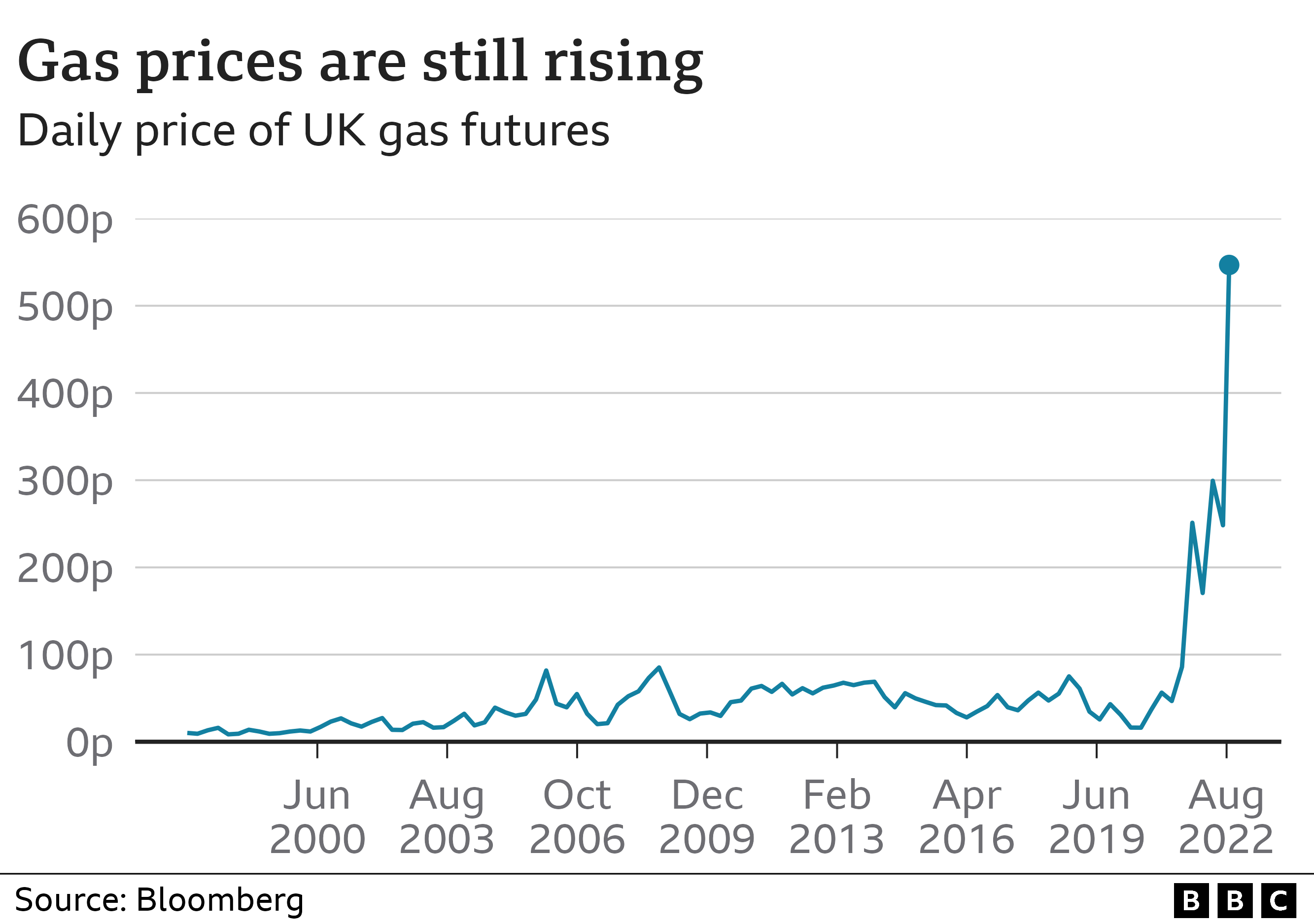
The American Automobile Association announced on Monday a notable rise in gas prices across the United States, with an increase of 38% since the outbreak of the US-Israeli conflict with Iran on February 28. The association clarified that the average price per gallon (3.7 liters) has surged from $2.98 before the conflict to $4.119 as of Monday.
Global markets are experiencing significant fluctuations in oil prices, which directly affects fuel costs in the United States. This price increase reflects the impact of geopolitical conflicts on global markets, as concerns grow over the implications of the war on oil supplies.
Details of the Event
Gas prices in the United States are at their highest levels in several years, raising concerns among consumers and businesses alike. Reports indicate that this increase comes at a sensitive time, as the US economy faces mounting inflationary pressures. Economists have pointed out that this price rise may persist if conflicts in the region continue.
Furthermore, the rising gas prices could affect transportation costs, leading to increased prices for goods and services in the market. This poses a significant challenge for the US government, which is striving to achieve economic stability under current conditions.
Background & Context
Historically, oil prices have experienced significant volatility due to military conflicts and political crises. Wars in the Middle East have greatly influenced global oil prices, as the region is a major source of supply. In recent years, several political crises in the area have heightened fears of supply disruptions.
The United States is one of the largest oil consumers in the world, and thus any price increase directly impacts the American economy. With rising energy demand, the US government is seeking to boost domestic oil production to reduce reliance on imports.
Impact & Consequences
The rise in gas prices serves as a warning signal for the US economy, as it could lead to a decline in domestic consumption. Many Americans rely on cars for transportation, making them vulnerable to the effects of rising prices.
Small and medium-sized businesses may also struggle to cope with increasing transportation costs, which could affect their competitiveness in the market. Under these circumstances, some businesses may be forced to raise their product prices, exacerbating inflation.
Regional Significance
The increase in gas prices in the United States poses a challenge for the Arab region, where many countries rely on oil exports as a primary source of revenue. Higher prices could lead to increased oil revenues, potentially boosting the economies of some nations.
However, ongoing conflicts in the region may result in instability in markets, negatively impacting foreign investments. Consequently, Arab countries need effective strategies to address these economic challenges.
In conclusion, the rise in gas prices in the United States is a direct result of geopolitical tensions, highlighting the importance of market stability and its impact on both local and international economies.