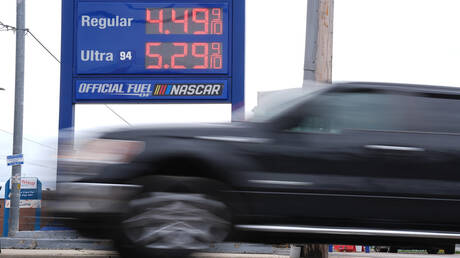
The prices of gasoline in the United States have seen a significant increase, with the American Automobile Association reporting that the price of a gallon of Regular gasoline has risen by one dollar over the past month. This price hike comes at a sensitive time, as military tensions in the Middle East, particularly with Iran, are escalating.
This increase in prices serves as an indicator of how geopolitical crises affect energy markets, demonstrating how international events can impact the daily lives of American citizens. Gasoline prices have experienced considerable fluctuations in recent years, but this rise comes at a particularly critical moment.
Details of the Event
According to reports, gasoline prices have seen a noticeable increase since the onset of military operations against Iran, leading to widespread concern among consumers. Experts have indicated that this rise may be a direct result of worries about the conflict's impact on global oil supplies.
At the same time, data has shown that the average gasoline price has reached levels not seen in a long time, increasing the pressure on American households already struggling with rising living costs.
Background & Context
Historically, oil and gasoline prices have been closely linked to political and military events in the Middle East. As tensions escalate, markets are directly affected, leading to price volatility. In recent years, we have witnessed numerous events that have led to rising oil prices, such as conflicts in Iraq and Syria, and Iranian threats.
The United States is one of the largest oil consumers in the world, and thus any changes in prices significantly impact the American economy. Additionally, rising gasoline prices can affect inflation rates and increase transportation costs, which in turn reflects on the prices of other goods and services.
Impact & Consequences
This rise in gasoline prices is expected to have widespread implications for the American economy. As fuel costs increase, consumers may be forced to cut back on spending in other areas, potentially affecting economic growth. Moreover, rising prices may increase pressure on the U.S. government to take action to mitigate the effects of this increase on citizens.
Furthermore, higher gasoline prices could lead to an increase in the prices of essential goods, exacerbating the struggles of low-income families. In this context, attention may turn to government policies and how they respond to these challenges.
Regional Significance
The rise in gasoline prices in the United States serves as an indicator of how geopolitical crises affect the Arab region. As tensions in the Middle East escalate, oil prices may be further impacted, increasing pressure on the economies of Arab countries that heavily rely on oil exports.
This increase may also affect trade relations between Arab countries and the United States, as oil-producing nations may seek to capitalize on rising prices to boost their revenues. At the same time, oil-importing countries may face new challenges in managing energy costs.
In conclusion, the rise in gasoline prices in the United States is an issue worth monitoring, as geopolitical tensions reflect their direct impact on global markets. It is crucial for Arab countries to remain aware of these changes and how they affect their economies.