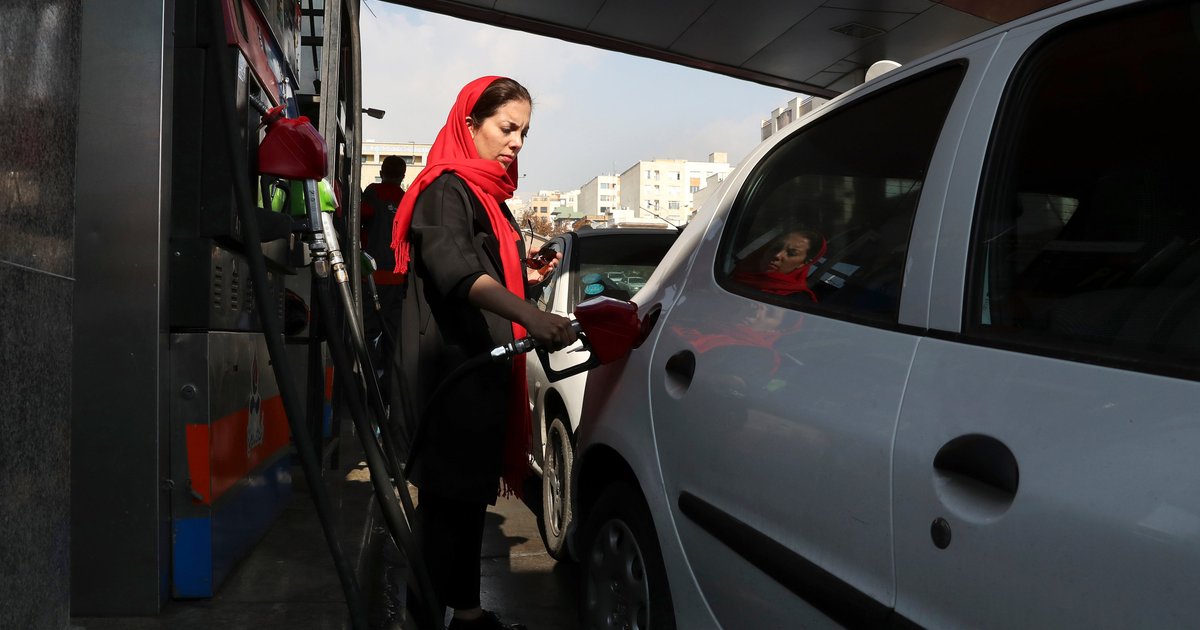
Gas prices have seen a significant increase, reaching an average of $4.018 per gallon amid escalating conflict in Iran and its impact on global energy prices. This rise comes as the first notable increase in four years, raising concerns among consumers and businesses alike.
Reports indicate that the ongoing conflict in Iran has significantly contributed to the rise in energy prices, leading to direct impacts on gas prices in the American market. This price increase comes at a sensitive time, as the global economy faces major challenges due to geopolitical tensions.
Details of the Event
In recent weeks, gas prices have gradually risen, but the recent jump to $4.018 per gallon represents a turning point. This increase reflects the mounting pressures on energy markets, where supply and demand are directly affected by regional conflicts.
Gas prices are considered a crucial economic indicator, affecting transportation and production costs, which in turn reflects on the prices of goods and services. In this context, experts expect gas prices to continue fluctuating due to ongoing tensions in the region.
Background & Context
Historically, gas prices have been significantly influenced by political events in the Middle East, where Iran is considered one of the largest oil producers in the world. Conflicts in this region often lead to sharp fluctuations in energy prices, impacting the global economy.
Over the past few years, gas prices have experienced significant volatility, but the current rise comes at a time when the world is gradually recovering from the effects of the COVID-19 pandemic. This recovery, along with increased demand for energy, may exacerbate the situation if tensions in the region persist.
Impact & Consequences
The rise in gas prices has direct implications for consumers and businesses. For consumers, this means increased transportation costs, which may lead to higher prices for essential goods. Additionally, companies that rely on gas as part of their production processes may face increased costs, potentially affecting profit margins.
Moreover, rising gas prices could lead to increased inflation, putting additional pressure on economic policymakers. Under these circumstances, governments may need to take action to mitigate the effects of rising prices on citizens.
Regional Significance
The Arab region is one of the most affected areas by fluctuations in energy prices, as many countries rely on oil and gas exports as a primary source of revenue. The rise in gas prices may provide an opportunity for some oil-producing countries, but at the same time, it could increase economic pressures on importing countries.
In light of these conditions, it is crucial for Arab countries to monitor energy price developments and work on strategies to adapt to these changes, whether through diversifying energy sources or enhancing energy efficiency.