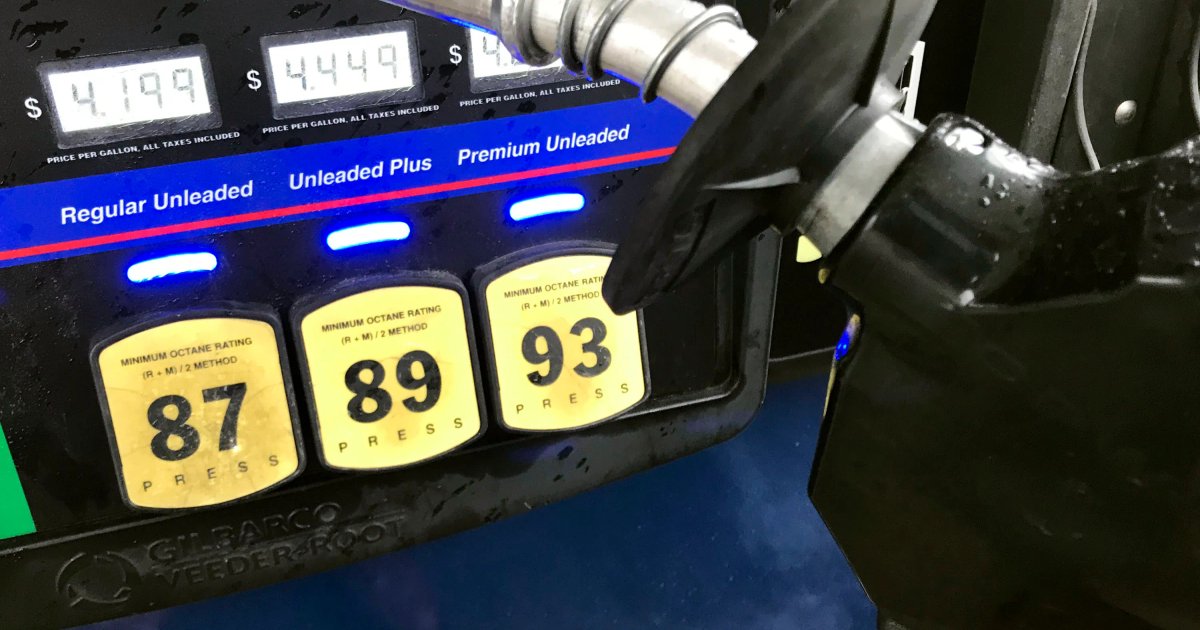
Gas prices in the United States have seen a significant increase, surpassing an average of $4 per gallon, marking the highest level since 2022. This surge is attributed to rising global energy demand and increased production costs, raising concerns among consumers and impacting the overall U.S. economy.
According to reports, current prices represent a notable increase compared to previous periods, where prices had seen a significant decline in past years. This rise comes at a sensitive time, as Americans face increasing economic pressures due to inflation and rising living costs.
Details of the Event
Data indicates that the average price of gas per gallon has risen to $4.07, reflecting a 10% increase from last month. This rise is attributed to a combination of factors, including increased fuel demand during the summer, rising global oil prices, and geopolitical tensions affecting energy markets.
Some reports predict that prices will continue to rise in the coming weeks, potentially putting further pressure on American households already struggling with high living costs. Some experts have noted that this increase could also affect the prices of other goods and services, exacerbating inflation.
Background & Context
Gas prices in the United States have experienced significant fluctuations over the years, influenced by multiple factors such as economic crises, changes in environmental policies, and geopolitical tensions. In 2020, prices dropped significantly due to the COVID-19 pandemic, but they have been recovering since then.
Historically, gas prices have been heavily influenced by global oil prices, which have also seen notable fluctuations. In recent years, the United States has increased its domestic oil and gas production, helping to reduce reliance on imports, but current challenges remain.
Impact & Consequences
The rise in gas prices has direct implications for the U.S. economy, affecting transportation and shipping costs, which leads to increased prices for goods and services. Additionally, rising prices may lead to reduced consumer spending, negatively impacting economic growth.
Moreover, higher gas prices could increase political pressure on the U.S. government, as citizens may demand action to mitigate the impact of this increase on their daily lives. The government may consider measures such as increasing domestic production or providing financial support to consumers.
Regional Significance
The rise in gas prices in the United States has indirect effects on the Arab region, as many Arab countries rely on oil and gas exports as a primary source of revenue. An increase in prices in the U.S. market may lead to higher demand for oil and gas from Arab countries, potentially boosting their economies.
However, Arab countries must be cautious of fluctuations in the global market, as any changes in demand or supply could affect oil and gas prices. Additionally, geopolitical tensions in the region may also impact market stability.
In conclusion, the rise in gas prices in the United States poses a significant challenge for consumers and the U.S. economy as a whole, and developments should be closely monitored to understand their impacts at both local and international levels.