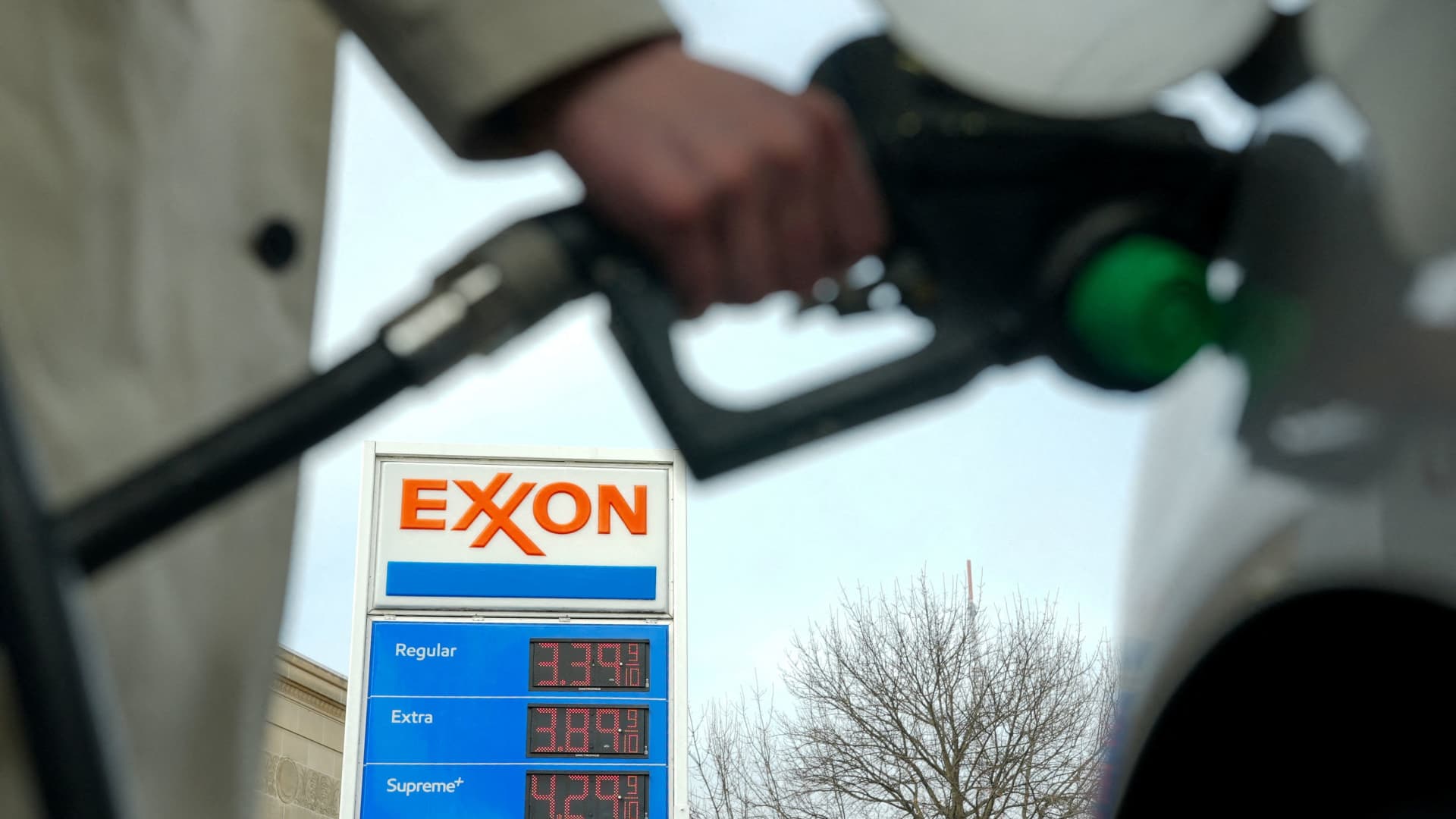
Gas prices in the United States have surpassed $4 per gallon for the first time in over three years, as supply shocks from the war in the Middle East have led to a sharp increase in costs for American families. According to the American Automobile Association (AAA), prices at the pump have reached a national average of $4.018 per gallon, the highest level since August 2022 when the Russian war on Ukraine affected energy markets.
Data from AAA shows that gas prices have risen by more than 30% since the attacks launched by the United States and Israel on Iran in late February. At the Sub Global conference in Houston, Lee Zeldin, the head of the Environmental Protection Agency, warned of potential disruptions to American fuel supplies, noting that the agency would temporarily lift some restrictions to increase gasoline supplies in an effort to ease prices.
Details of the Situation
As JD Vance, the U.S. Vice President, anticipates that consumers will face a "bumpy road" in gas prices over the coming weeks, he emphasized that the current increase is temporary and that prices will drop once the war concludes. "We have a problem, and we know we have a problem, and we are doing everything we can to address it," Vance said during an event in Auburn Hills, Michigan.
Oil prices have surged by more than 50% since the onset of the war, with Brent crude prices, the international benchmark, on track for the largest monthly increase since futures trading began in 1988. Gas prices in March are expected to be 25% higher compared to February, marking the largest monthly increase since October 1990, according to David Doyle, head of the economics department at Macquarie Group.
Background & Context
This price increase comes amid deteriorating security conditions in the Middle East, where tanker traffic through the Strait of Hormuz has declined due to Iranian attacks. The strait is considered the most critical maritime route for oil exports globally, with approximately 20% of the world's oil supply passing through it before the conflict began. This has led to the largest disruption of oil supplies in history, according to the International Energy Agency.
Additionally, oil-producing countries in the Arabian Gulf have reduced production due to a lack of storage capacity for oil, exacerbating the crisis. The Trump administration took several measures to curb rising prices, but it remains unclear whether these measures will provide relief to consumers given the scale of the disruption.
Impact & Consequences
Forecasts indicate that consumers will begin to feel the effects of these price increases by April, with expectations of rising prices for goods in stores and online orders. Patrick De Haan, head of oil analysis at GasBuddy, stated, "This will quickly ignite further inflation." Chris Wright, the Secretary of Energy, also noted that the administration has plans to increase diesel supplies.
Measures taken also include the release of 172 million barrels of oil from the Strategic Petroleum Reserve, as part of a coordinated effort by over 30 countries to inject 400 million barrels into the market to counter the supply shock.
Regional Significance
This increase in fuel prices directly affects Arab countries, many of which rely on oil revenues. At the same time, the rise in fuel prices may worsen economic conditions in oil-importing countries, increasing inflationary pressures and affecting the purchasing power of citizens.
In conclusion, all eyes remain on the developments of the conflict in the Middle East and its impact on global energy markets, as any further escalation could lead to additional price hikes and increase the burdens on both American and Arab families alike.