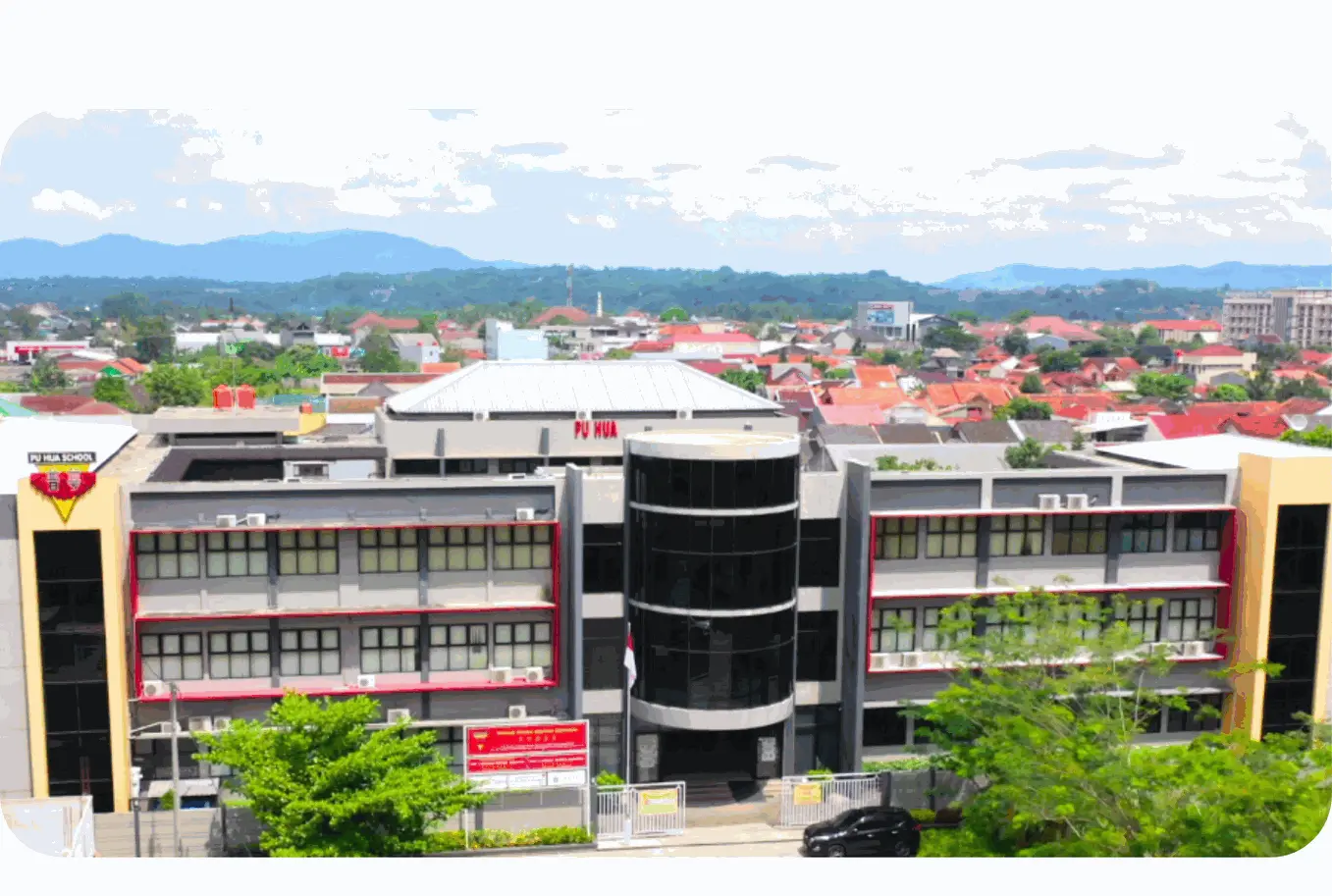
In a significant educational event, more than 200 school directors, teachers, and educational staff from over 30 trilingual schools in Indonesia convened at the Putra Harapan Trilingual School (Bohua School) in Central Java on Saturday, April 25. This gathering was part of a forum aimed at promoting Chinese language education, reflecting the growing trend towards foreign language instruction in the country.
The forum coincided with multiple celebrations, as participants commemorated the 120th anniversary of Tio Chua School in Borobudur, the 20th anniversary of Bohua School, and the first anniversary of the Bohua Chinese Language Center, established in collaboration with Baoding University and the Baoding Secondary Education Group.
Event Details
The Bohua Chinese Language Center was inaugurated in January 2025, coinciding with the 75th anniversary of diplomatic relations between China and Indonesia. This center is the first of its kind in Indonesia, aiming to enhance the teaching of the Chinese language and culture among Indonesian youth.
During the event, two large artistic installations made of colorful paper umbrellas in red, white, and blue were displayed in the celebration hall. These umbrellas formed phrases such as "Education for All" and "I Love Indonesia," reflecting the educational philosophy embraced by the school.
Background & Context
Historically, Indonesia has seen a rising interest in foreign language education, particularly Chinese, in recent years. This trend mirrors the economic and social changes in the country, where many local families view Chinese language skills as a means to achieve better educational and professional opportunities.
Bohua School may not be the largest among trilingual schools in Indonesia, but it is considered one of the prominent models for providing Chinese language education. The school currently has over 1,000 students, with non-Chinese students representing more than a third of the total enrollment.
Impact & Consequences
The outcomes of this forum demonstrate the impact of multilingual education on Indonesian society, as students are learning Chinese through hands-on activities such as paper cutting arts, calligraphy, traditional music, and Chinese chess. This type of education enhances students' understanding of Chinese culture and makes the language more vibrant.
The influence of education extends beyond the school walls, as parents have started to learn to write in Chinese after seeing what their children are learning, reflecting the openness of Chinese culture to the Indonesian community.
Regional Significance
Indonesia's experience in promoting multilingual education could serve as a model for Arab countries, where enhancing foreign language education in Arab schools could contribute to greater cultural and economic understanding between Arab nations and Chinese-speaking countries.
In conclusion, this forum represents an important step towards promoting multilingual education in Indonesia, reflecting the increasing trend towards understanding diverse cultures through education.