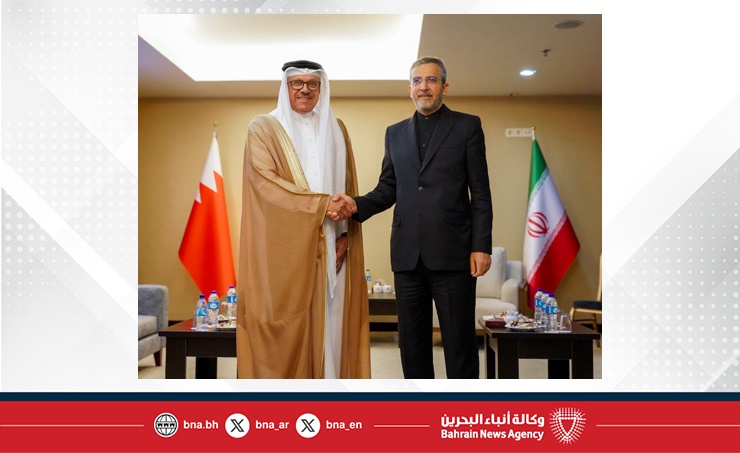
The Foreign Minister of Egypt, Sameh Shoukry, convened with his counterparts from Turkey, Pakistan, Qatar, and Bahrain as part of efforts to coordinate positions regarding the current political and security developments in the region. This meeting occurs during a time when the Middle East faces multiple challenges, necessitating collaboration and cooperation among the concerned nations.
Tensions in the region are escalating, particularly amid ongoing crises in certain countries, prompting Arab and Islamic nations to work together to find effective solutions. Discussions centered on how to enhance security and economic cooperation, as well as exchanging views on regional and international issues.
Event Details
The meeting took place in the Turkish capital, Ankara, where Turkish Foreign Minister Mevlüt Çavuşoğlu hosted his counterparts. The agenda included a range of issues, such as developments in Syria and Libya, as well as the situation in Palestine. Ways to strengthen economic relations among the participating countries were also discussed.
During the meeting, Egyptian Foreign Minister Sameh Shoukry emphasized the importance of dialogue and cooperation among Islamic countries to address common challenges. He highlighted the necessity of intensifying efforts to achieve security and stability in the region, especially in light of the political crises affecting some nations.
Background & Context
Historically, relations among Arab and Islamic countries have experienced numerous fluctuations; however, current crises call for a reevaluation of cooperation strategies. Events in Syria, Libya, and Palestine pose significant challenges impacting regional security. Recent years have seen attempts to bridge viewpoints among different countries, despite political differences.
Relations between Egypt and Turkey have been tense in recent years, yet recent meetings indicate a desire to improve relations and move past disagreements. This cooperation could contribute to enhancing security and stability in the region.
Impact & Consequences
This meeting reflects the participating countries' desire to strengthen cooperation in addressing common challenges. It could lead to positive outcomes in security and economic fields. Collaboration among these nations may help improve economic conditions, particularly amid the crises faced by some countries.
These meetings are expected to enhance coordination among Arab and Islamic nations, potentially leading to greater stability in the region. Furthermore, improving relations between Egypt and Turkey could positively influence the situations in Libya and Syria.
Regional Significance
The current situation in the Middle East requires a concerted effort among Arab and Islamic countries. Cooperation among Egypt, Turkey, Pakistan, Qatar, and Bahrain can serve as a model for how to address crises. This collaboration can contribute to enhancing security and stability in the region, benefiting all involved nations.
In conclusion, this meeting represents an important step toward strengthening cooperation among Arab and Islamic countries. The challenges facing the region necessitate a collective response, and this meeting marks a positive beginning toward achieving this goal.