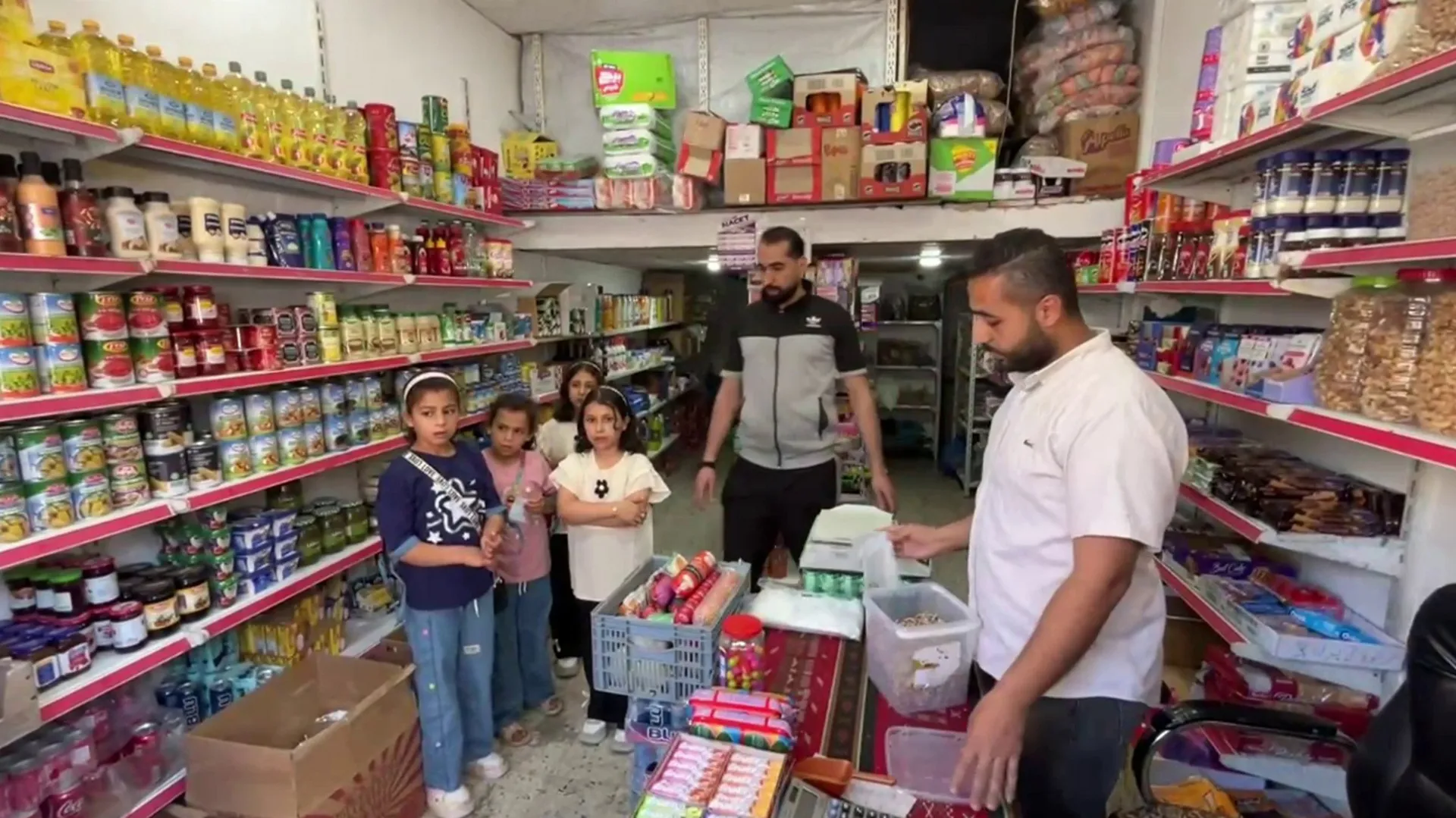
The suffering of Gaza's residents is escalating as the Israeli blockade continues to prevent cash from entering the region for over three years. In an attempt to overcome the cash liquidity crisis, shop owners in Gaza have begun seeking innovative solutions to compensate for the lack of change, leading to the emergence of unconventional methods to meet their daily needs.
According to a report by Al Jazeera correspondent Muath Al-Amour, shop owners are trading signed papers from customers, in addition to using pins that children buy to get what they need from stores. This method aims to bring some joy to children's hearts during occasions like Eid al-Adha, where one trader sent a financial transfer to a store in exchange for giving each child a pin worth two shekels (about $0.54) to enable them to purchase what they desire.
Details of the Situation
Despite these initiatives, the available means remain insufficient to solve the significant problems arising from the cash shortage. Mahmoud, a grocery store owner in Gaza, pointed out that there are numerous challenges they face, including the forgery of alternative solutions being proposed. He added that customers may send transfers via apps, but accessing the bank accounts of the recipients remains a major dilemma.
Since the outbreak of war three years ago, Israel has imposed strict restrictions on the entry of cash into Gaza, leading to a paralysis in banking operations and converting bank accounts into static numbers that cannot be turned into actual liquidity. This situation has forced citizens to rely on worn and torn banknotes, pushing them to devise primitive means to salvage what remains of their money.
Background & Context
Historically, Gaza has witnessed successive economic crises due to the ongoing blockade, which has negatively impacted all aspects of daily life. With the decline in purchasing power, it has become difficult for families to meet their daily obligations. These tough economic conditions have driven residents to think of innovative solutions, although they remain inadequate to face the real challenges.
At the same time, the problem of circulating damaged banknotes emerges, as citizens repair currencies through specialized stalls, where banknotes are glued or reinforced with adhesive materials in an attempt to prolong their circulation. These solutions reflect the creativity of Gazans in facing crises, but they do not address the root causes of the problem.
Impact & Consequences
The impact of the cash liquidity shortage on daily life in Gaza goes beyond mere financial difficulties. The crisis affects education, as students struggle to buy school supplies, and it impacts health, with patients facing difficulties in obtaining medications due to the cash shortage. These conditions contribute to rising poverty and unemployment rates, further complicating the social and economic situation.
These circumstances require urgent international intervention to end the blockade and introduce cash liquidity, as alternative solutions will not be sufficient while restrictions persist. Addressing this crisis requires genuine political will from all concerned parties.
Regional Significance
The cash crisis in Gaza serves as an example of the economic challenges faced by many Arab countries. Economic and political crises in the region affect its stability and increase the suffering of its peoples. The situation in Gaza reflects the urgent need for Arab solidarity and the necessary support to alleviate the suffering of the residents.
In conclusion, the cash crisis in Gaza remains a complex issue that requires comprehensive solutions, as local innovations will not be sufficient while the blockade continues. Hope remains for achieving peace and stability, allowing the residents of Gaza to return to a normal life.