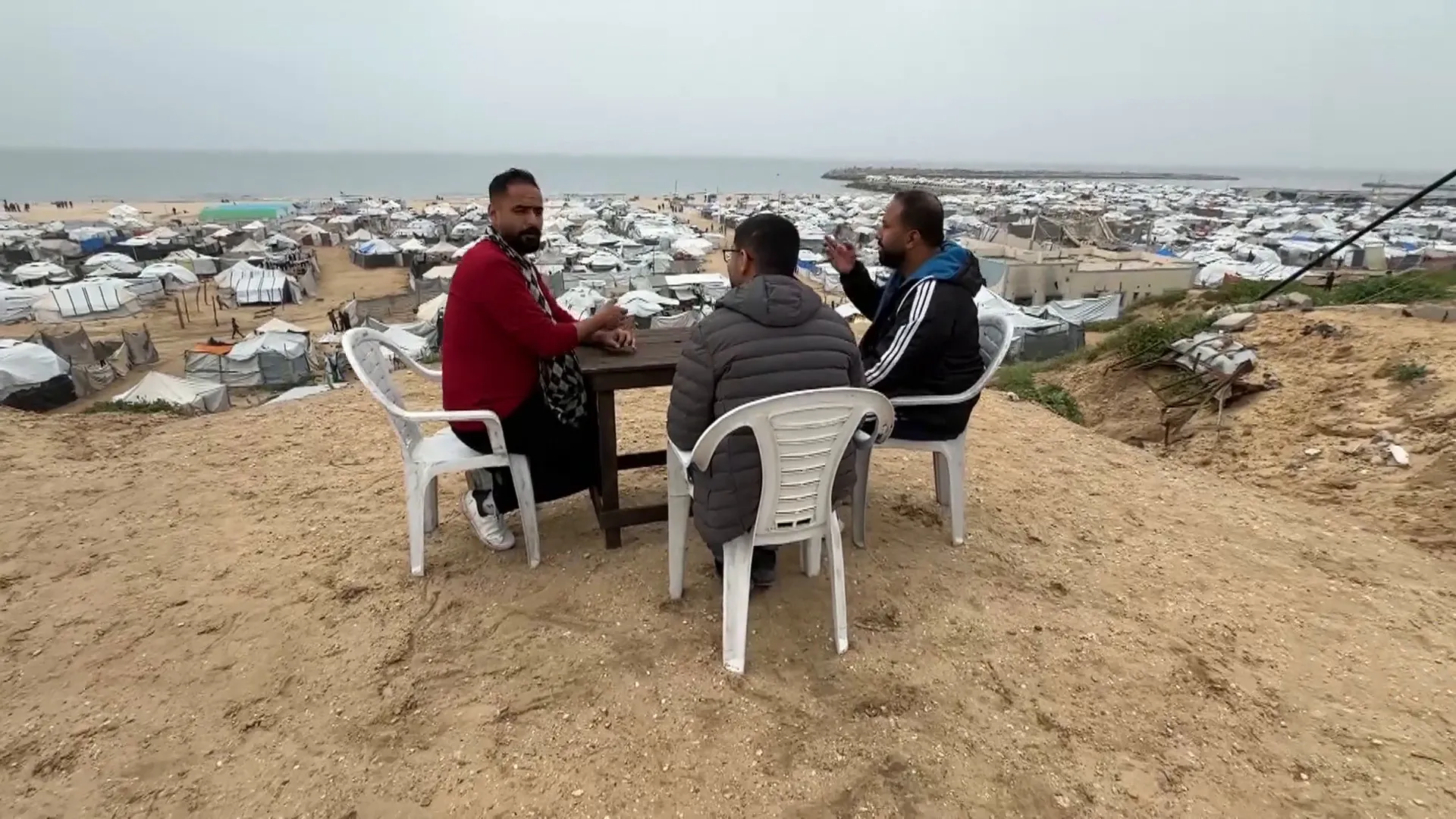
Young people in Gaza are suffering from harsh conditions due to worsening economic and humanitarian crises, depriving them of job, education, and travel opportunities. These deteriorating conditions are exacerbated by the ongoing blockade and border closures.
The suffering of the youth is evident in various aspects of their lives, as they face significant challenges in obtaining suitable job opportunities, leading to a rise in unemployment rates among this demographic. According to local reports, the unemployment rate in Gaza has reached unprecedented levels, with more than 50% of young people unable to find work.
Details of the Situation
There are multiple reasons that have contributed to the exacerbation of this crisis, with the blockade imposed on the region for many years being one of the main factors. This blockade has directly affected the local economy, leading to a deterioration in living conditions and an increase in poverty. Additionally, the closure of border crossings hinders the movement of individuals and goods, limiting opportunities for education and travel.
Moreover, the tense security and political situation in the region complicates matters further. Young people who had hoped to obtain scholarships or job opportunities abroad find themselves trapped in difficult circumstances, leading to feelings of frustration and hopelessness.
Background & Context
Historically, Gaza has witnessed numerous crises that have impacted the lives of its residents, ranging from armed conflicts to economic crises. Since 2007, when Hamas took control, Israel has imposed a suffocating blockade on the region, resulting in a decline in economic and social conditions.
It is worth noting that education has been one of the areas significantly affected. Many schools and universities in Gaza suffer from a lack of resources, impacting the quality of education. This situation negatively reflects on the future of young people, who find themselves unqualified for the job market.
Impact & Consequences
The repercussions of these crises extend beyond Gaza, affecting regional stability. Young people deprived of opportunities may resort to risky options, such as illegal immigration, in search of a better life. This phenomenon could lead to increased tensions in neighboring countries, as these young people seek to cross into other nations.
Furthermore, the loss of hope among the youth can lead to the proliferation of negative social phenomena, such as violence and extremism. These factors pose a threat to security and stability in the region, necessitating an urgent response from the international community.
Regional Significance
The issue of youth in Gaza serves as a model for larger problems faced by many Arab countries, where young people in various regions suffer from unemployment and poverty. These issues require regional and international cooperation to resolve, by providing job and education opportunities and promoting political stability.
In conclusion, the situation in Gaza reflects significant challenges facing Arab youth in general. It is crucial to focus on finding effective solutions to these problems to ensure a better future for an entire generation of young people.