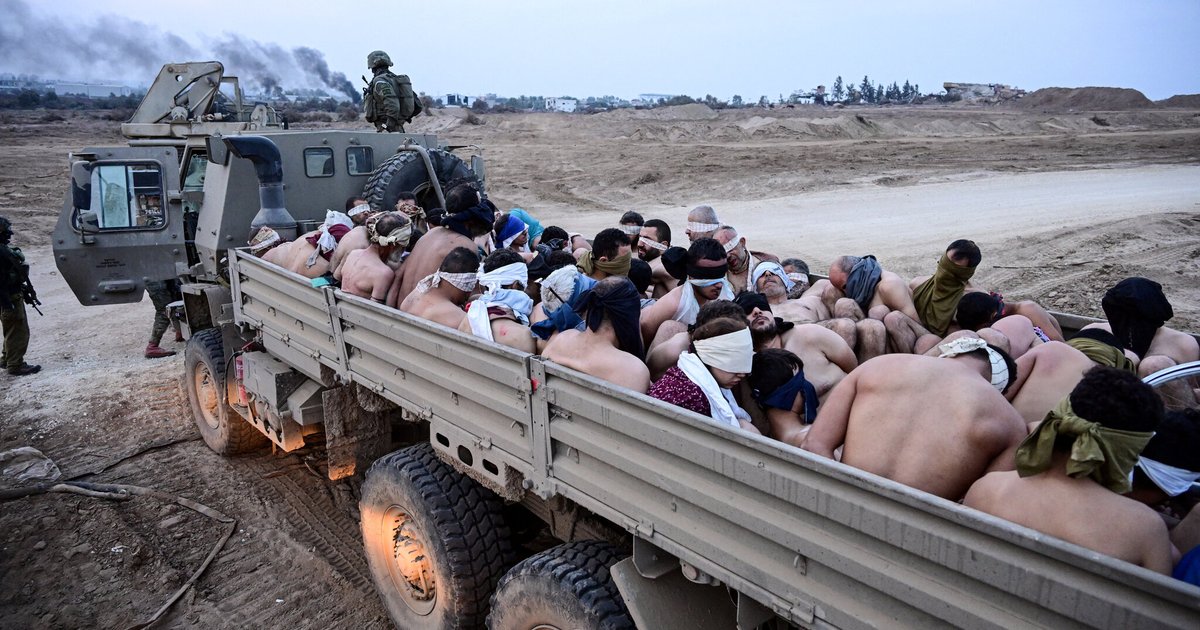
The Gulf Cooperation Council (GCC) has strongly condemned the new Israeli law that allows for the execution of Palestinian prisoners. This announcement was made in an official statement from the council, which emphasized the importance of protecting human rights in the occupied territories and the necessity of respecting international laws.
The law, which was passed by the Israeli Knesset, has raised widespread concern in Arab and international circles, as it is seen as an escalatory step in the Israeli-Palestinian conflict. This comes at a time when global calls to stop Israeli violations against Palestinians are increasing.
Details of the Law and Recent Events
The Israeli law was approved at a time when violence is escalating in the Palestinian territories, with recent days witnessing numerous clashes between Israeli forces and Palestinians. This law is considered part of a series of Israeli policies aimed at reinforcing control over Palestinian lands, further intensifying tensions in the region.
In this context, many Arab leaders have expressed their concerns about the implications of this law, stressing the need for a unified stance against these violations. The council has called for international community intervention to pressure Israel to halt these policies.
Historical Context and Background
Historically, the Palestinian issue has seen numerous crises and tensions, with the rights of Palestinian prisoners always at the heart of the conflict. Thousands of Palestinians have been imprisoned in Israeli jails, where many are subjected to harsh conditions and violations of their rights. The new law comes as part of an increasing Israeli policy towards the use of force against Palestinians, raising fears of escalating violence in the region.
This law also contradicts international laws that prohibit the implementation of the death penalty in certain cases, increasing international criticism towards Israel. In recent years, there has been a rise in global calls to stop Israeli violations against Palestinians.
Potential Impact and Consequences
This law could lead to an escalation of violence in the Palestinian territories, as Palestinians may feel more threatened. Additionally, this law may affect relations between Arab countries and Israel, potentially leading to increased tensions in the region.
Moreover, this law could undermine peace prospects in the region, as Palestinians may feel unprotected and that their rights are not safeguarded. This could exacerbate the conflict and increase divisions between the two sides.
Significance for the Arab Region
The Palestinian issue is central to the Arab world, consistently stirring feelings of anger and solidarity among Arab peoples. The enactment of this law could lead to increased Arab support for Palestinians and may prompt Arab countries to take a firmer stance against Israel.
At the same time, this law could escalate media and political campaigns against Israel in Arab countries, reflecting how the Arab street is affected by such decisions. It may also enhance Arab efforts to show solidarity with Palestinians in international forums.
In conclusion, this Israeli law represents a dangerous step that could lead to an escalation of the conflict in the region, necessitating a firm stance from the international community to protect human rights and ensure peace in the occupied territories.