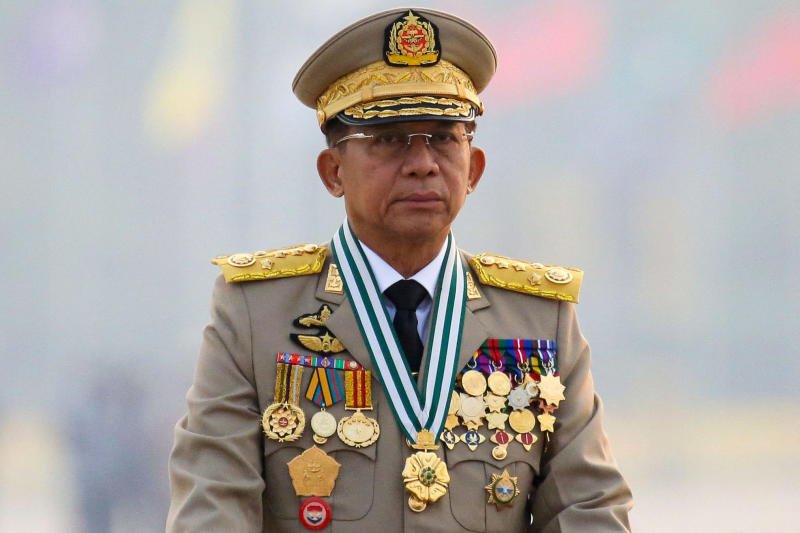
In an unexpected turn of events, General Min Aung Hlaing has been elected President of Myanmar following parliamentary elections held in December and January, despite his absence from ballots or campaign posters. This general, who has been in power since the ousting of the democratically elected government led by Aung San Suu Kyi in the 2021 coup, faces significant challenges as the civil conflict continues, resulting in over 93,000 deaths.
The elections took place under military supervision, with Suu Kyi's party dissolved and major opposition parties boycotting the vote, leading the United Nations and human rights organizations to deem the elections neither free nor fair. The military-backed party, the Union Solidarity and Development Party, secured a majority in these elections.
Details of the Event
Despite the controversial nature of the elections, Min Aung Hlaing has demonstrated crisis management skills, showing political acumen in dealing with local elites, which has helped him maintain his power despite military setbacks faced by his forces.
Myanmar is currently grappling with economic and social crises, with rebel groups controlling vast areas along the borders, complicating the political landscape further.
Background & Context
Historically, Myanmar has undergone significant political transformations, having transitioned to a quasi-civilian system over the past decade. However, General Min Aung Hlaing has always been politically inclined, even before the coup, meeting with community and religious leaders, indicating his political ambitions.
The general, hailing from a southern family, graduated from the Defense Academy, which has shaped many of the country's military leaders. The military has positioned itself as the protector of national identity and the religious rights of the Buddhist majority, prompting Min Aung Hlaing to make drastic decisions such as the coup in February 2021.
Impact & Consequences
This election is seen as a step towards restructuring power, as Min Aung Hlaing seeks to share authority with military elites, which may help alleviate some of the pressures he faces. However, the effectiveness of this system in achieving stability in the country remains in question.
Analysts suggest that this move may be a strategy for managing elites, as Min Aung Hlaing secures the loyalty of certain military officers by appointing them to positions in military-affiliated businesses, thereby limiting competition for power.
Regional Significance
The Arab region is indirectly affected by events in Myanmar, as the political crises there reflect similar challenges faced by some Arab nations. Additionally, diplomatic support from countries like China may influence Arab states' positions on human rights issues.
In conclusion, Myanmar remains in the spotlight, with increasing concerns over the worsening humanitarian and political situations. The continuation of civil conflict could have repercussions for the stability of the entire region.