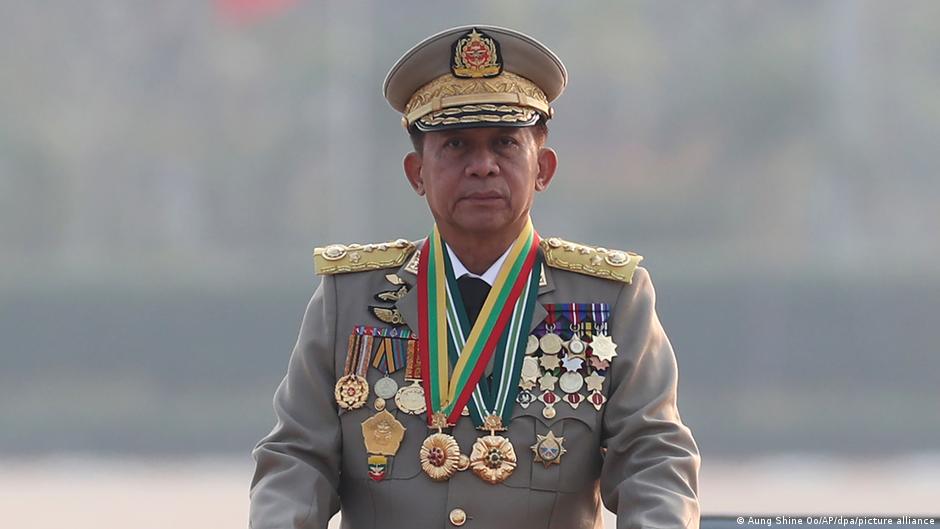
The new parliament in Myanmar elected General Min Aung Hlaing as the country's president on April 3, reflecting the ongoing military dominance over governance under a civilian facade. Hlaing secured 429 out of 584 votes in a parliament controlled by the military-backed party, the Union Solidarity and Development Party.
This election follows two years after the military coup that ousted the democratically elected government led by Aung San Suu Kyi, which ignited a civil war in the country. Although the elections were seen as a step towards forming a civilian government, many observers deemed them neither free nor fair, as anti-military parties were excluded.
Event Details
The elections held in Myanmar were strictly regulated, taking place in 265 out of 330 regions due to the ongoing conflict. These elections faced widespread criticism from the United Nations and Western governments, which argued that the electoral process did not reflect the will of the people.
Despite Hlaing assuming the presidency, the military still retains control over many key state institutions. A new advisory council comprising five members has been established to ensure that military power is not eroded, indicating that the shift towards civilian governance may merely be an attempt to beautify the existing military regime.
Background & Context
Historically, Myanmar has experienced long periods of military rule, with the National League for Democracy winning elections in 2015 and 2020, leading to the formation of a civilian government. However, the military claimed electoral fraud, which resulted in the coup in February 2021. Since then, the country has witnessed a surge in violence and conflict, with approximately 6,800 civilians killed and 3.6 million displaced.
Fighting continues between government forces and resistance groups, with the military still controlling major cities but facing significant challenges in rural and border areas. Reports indicate that the humanitarian situation is deteriorating, with rising poverty rates and shortages of essential resources.
Impact & Consequences
Myanmar faces significant economic challenges, as war and sanctions have led to economic decline. The rise in oil prices has exacerbated the situation, as the country heavily relies on fuel imports. A fuel rationing system for private vehicles has been implemented, increasing the suffering of citizens.
Under these circumstances, the question remains as to how the new government will manage the deteriorating economic situation. Some analysts believe that the parliament may seek to introduce minor political and economic reforms, but expectations for radical changes remain low.
Regional Significance
The Arab region is indirectly affected by events in Myanmar, as internal conflicts impact the overall stability of the region. There is also increasing international interest in how countries deal with military regimes, which may influence regional policies.
In conclusion, the situation in Myanmar remains complex, as the current political transformations do not necessarily reflect the will of the people but may merely represent a redistribution of power among the military. It is crucial for Arab nations and the international community to remain vigilant regarding developments in this country.