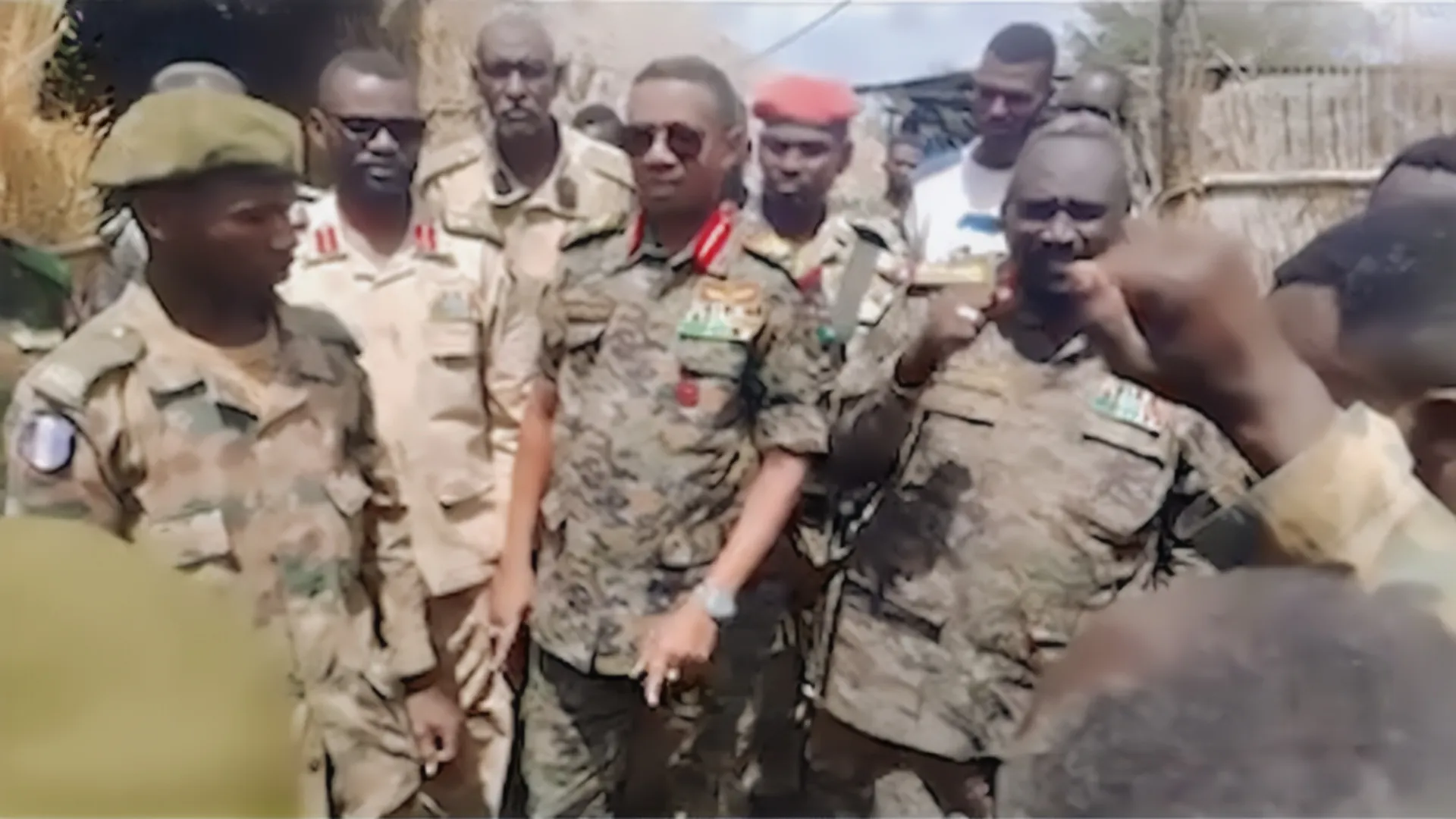
Local authorities in Blue Nile State, southern Sudan, have announced a state of general mobilization due to the intensifying battles between the Sudanese army and the Rapid Support Forces, along with the support of the Sudan People's Liberation Movement-North. Reports indicate that the humanitarian situation is rapidly deteriorating with an increasing number of displaced individuals.
In light of these developments, the Sudanese army has bolstered its military presence in the state, with a military leader stating that "the battle will not cease until the supporting forces are eliminated," reflecting the escalating intensity of confrontations in the area.
Details of the Event
The Rapid Support Forces reported that they have managed to seize control of areas including Makja, Kurmuk, Al-Baraka, and Kile, considering this advance a significant shift in the operational theater. In this context, the spokesperson for the Blue Nile regional government, Saif Al-Nasr Min Allah, confirmed that "the militia has received substantial support from neighboring countries," including logistical assistance and training, as well as the provision of platforms and missiles launched towards areas within Sudan, particularly Kurmuk County. Despite these challenges, he noted that the situation remains under control.
As clashes escalate, thousands of families have fled from combat zones towards cities near Damazin, exacerbating the humanitarian situation. Local authorities have announced the establishment of three camps to accommodate the displaced, and the governor of Jizan has called on humanitarian organizations for urgent intervention to provide water, food, and medicine, especially since most of those fleeing are women, children, and the elderly.
Background & Context
Since mid-April 2023, the Sudanese army and the Rapid Support Forces have been engaged in a fierce war that has resulted in tens of thousands of deaths and displaced over 13 million people both internally and externally. This war occurs within the context of a long-standing conflict in Sudan, where numerous armed groups compete for influence in various regions of the country, complicating the security and humanitarian situation.
Historically, Blue Nile State has experienced recurring conflicts, serving as a center for many armed disputes. With the current escalation of confrontations, observers expect these developments to worsen the humanitarian situation, particularly with the rising number of displaced individuals.
Impact & Consequences
The repercussions of the clashes in Blue Nile extend beyond local borders, affecting regional stability. As the number of displaced individuals increases, pressure mounts on neighboring countries, which could exacerbate humanitarian crises in the region. Furthermore, the ongoing conflict may hinder peace and development efforts in Sudan and complicate relations between the Sudanese government and neighboring nations.
Moreover, these events could lead to heightened tensions among various armed groups, potentially paving the way for further conflicts in the future. This situation underscores the urgent need for international community intervention to assist Sudan in overcoming this crisis.
Regional Significance
The situation in Sudan holds particular importance for the Arab region, as Sudan's stability directly impacts regional security. With the rise of internal conflicts, neighboring countries such as Egypt and Ethiopia may be affected, complicating relations among these nations. Additionally, the humanitarian crises resulting from the conflict could lead to an influx of refugees into neighboring countries, increasing pressure on these nations.
In conclusion, the situation in Blue Nile remains under observation, as all parties look forward to peaceful solutions that end the conflict and restore stability to the region. Immediate intervention by humanitarian organizations and neighboring countries may be necessary to alleviate the growing humanitarian suffering.