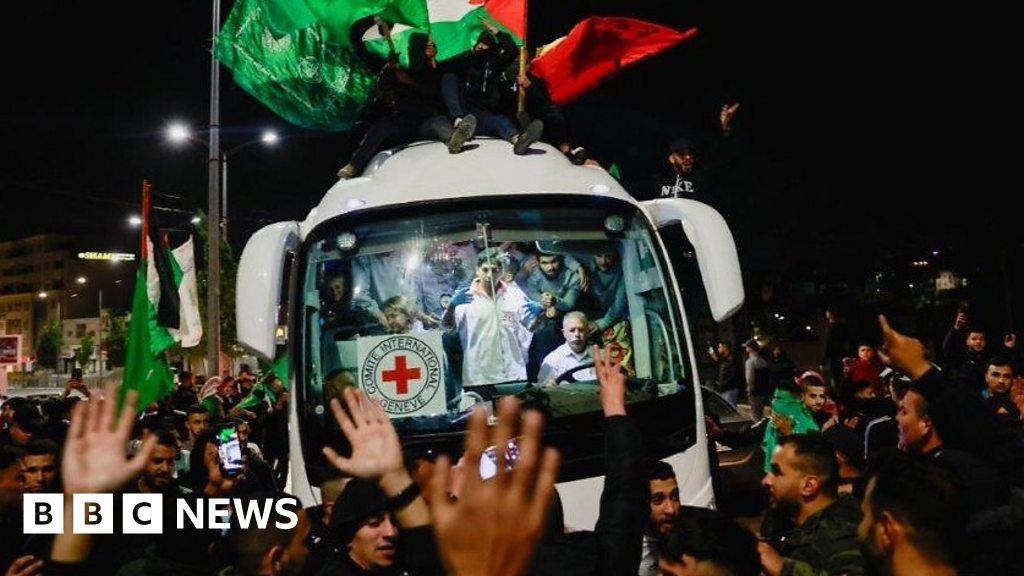
Today, Ramallah experienced a general strike that encompassed all sectors, with shops closing their doors and streets devoid of pedestrians, in protest against the new death penalty law approved by the Israeli government, which specifically targets Palestinians. This strike comes at a sensitive time, reflecting the escalating tensions between Palestinians and Israel.
This law, which was recently voted on, allows for the imposition of the death penalty on Palestinians convicted of murder, provoking angry reactions from Palestinians and the international community. Many human rights organizations have deemed this law a blatant violation of human rights and a threat to security and peace in the region.
Details of the Event
The general strike in Ramallah was called by national and Islamic forces, with thousands of Palestinians participating to express their rejection of this law. The city witnessed a state of complete calm, as commercial shops and cafes closed their doors, while Israeli occupation forces were present around the city, heightening tensions.
Several statements were issued by Palestinian and international human rights organizations condemning this law, indicating that its implementation would exacerbate the humanitarian situation in the occupied Palestinian territories. This step is considered part of a broader Israeli policy aimed at suppressing Palestinians and increasing pressure on them.
Background & Context
Historically, Israeli laws related to penalties have been a subject of extensive controversy, as many consider them to specifically target Palestinians. Recent years have seen a rise in violence and arrests, leading to a worsening humanitarian situation in the West Bank and Gaza Strip.
In past years, there have been numerous attempts by the international community to find peaceful solutions to the Israeli-Palestinian conflict; however, these attempts have often been met with rejection from the Israeli side, complicating the situation further. The new death penalty law comes as part of an Israeli policy aimed at enhancing control over Palestinians.
Impact & Consequences
The enactment of this law could exacerbate security conditions in the region, as protests and confrontations between Palestinians and occupation forces are expected to increase. Additionally, this law may contribute to Israel's growing international isolation, as it will face greater pressure from the international community to retract these policies.
Furthermore, the implementation of this law could lead to a spread of despair and frustration among Palestinians, potentially pushing them towards more extreme reactions. Thus, this law poses a threat not only to Palestinians but also to security and stability in the entire region.
Regional Significance
This law is part of a broader Israeli policy aimed at suppressing Palestinians, raising concerns among Arab countries that support the Palestinian cause. Many Arab nations have expressed their rejection of this law, emphasizing the need to respect Palestinian rights and their right to life.
The events in Ramallah reflect a growing sense of anger in the Palestinian street and could significantly affect relations between Arab countries and Israel, especially given the current circumstances in the region. This strike may also have implications for future political and diplomatic movements.