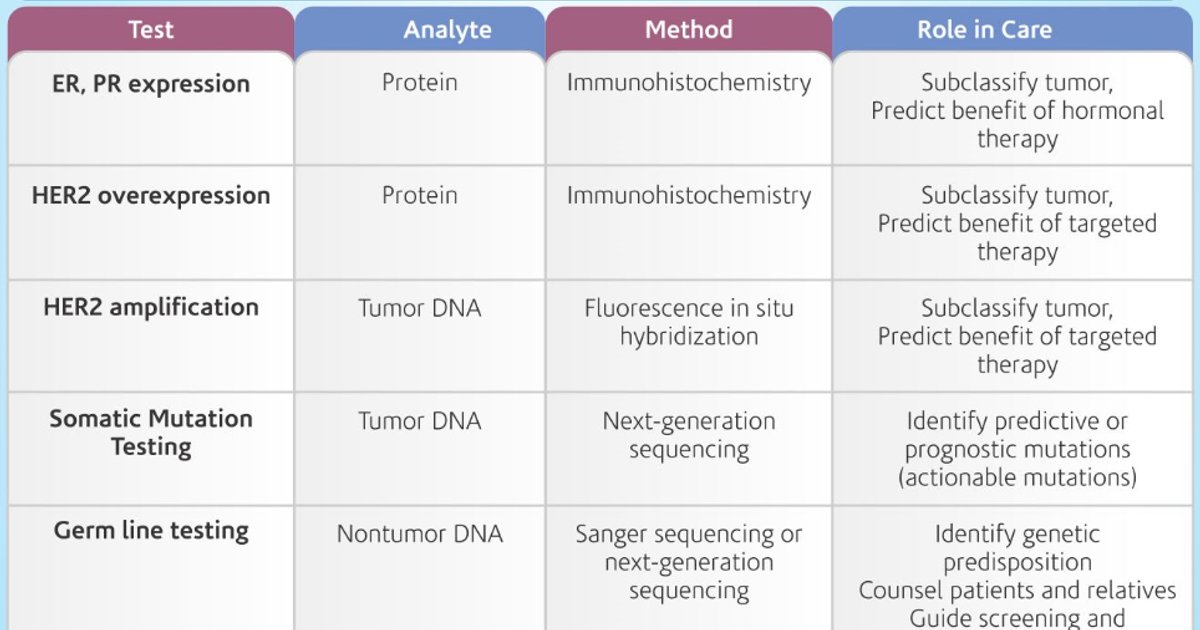
A recent study conducted in the United States has shown that advanced genetic testing can play a significant role in narrowing the evident survival gap in breast cancer rates between Black and White women. These findings highlight the importance of medical innovations in improving survival chances and providing equitable healthcare for all.
Breast cancer survival rates are one of the pressing health issues facing women in the United States, with statistics indicating that Black women experience lower survival rates compared to their White counterparts. The study has demonstrated that utilizing genetic testing can contribute to improving these rates.
Details of the Study
The study was conducted on a group of women diagnosed with breast cancer, assessing the impact of advanced genetic testing on treatment options and disease outcomes. The results showed that women who underwent genetic testing received accurate diagnoses and personalized treatment, which contributed to improved survival chances.
The study also indicated that the survival gap between races can be attributed to several factors, including access to healthcare, disease awareness, and biological differences. However, the use of genetic testing provides an effective tool to reduce this gap.
Background & Context
Historically, the survival gap in breast cancer rates among races has been a concerning issue. Previous studies have shown that Black women face greater challenges in obtaining appropriate diagnosis and treatment. This gap has contributed to increased mortality rates within this demographic.
In recent years, health institutions have begun to focus on the importance of providing equitable healthcare to all women, regardless of their racial backgrounds. With advancements in medical technology, genetic testing has become an essential tool in this context, offering precise information about the type of cancer and suitable treatment methods.
Impact & Consequences
The findings of this study represent a significant step towards achieving justice in healthcare. With improved survival rates, the lives of many women and their families can change dramatically. Additionally, these results may encourage health institutions to adopt new policies that focus on utilizing genetic testing as part of standard treatment protocols.
Furthermore, these findings could lead to increased awareness about the importance of early screening and personalized treatment, contributing to a reduction in breast cancer incidence rates in the future.
Regional Significance
In the Arab region, public health issues such as breast cancer continue to pose significant challenges. As awareness of the importance of early screening and treatment grows, Arab women can benefit from medical innovations like genetic testing.
Improving breast cancer survival rates in Arab countries also requires integrated efforts that include awareness campaigns, healthcare provision, and facilitating access to modern technology. Additionally, sharing knowledge and experiences with developed countries can contribute to better health outcomes for women in the region.
In conclusion, this study represents an important step towards achieving equity in healthcare, emphasizing the significance of medical innovations in improving survival chances from diseases. Focusing on early screening and personalized treatment can make a substantial difference in the lives of many women.