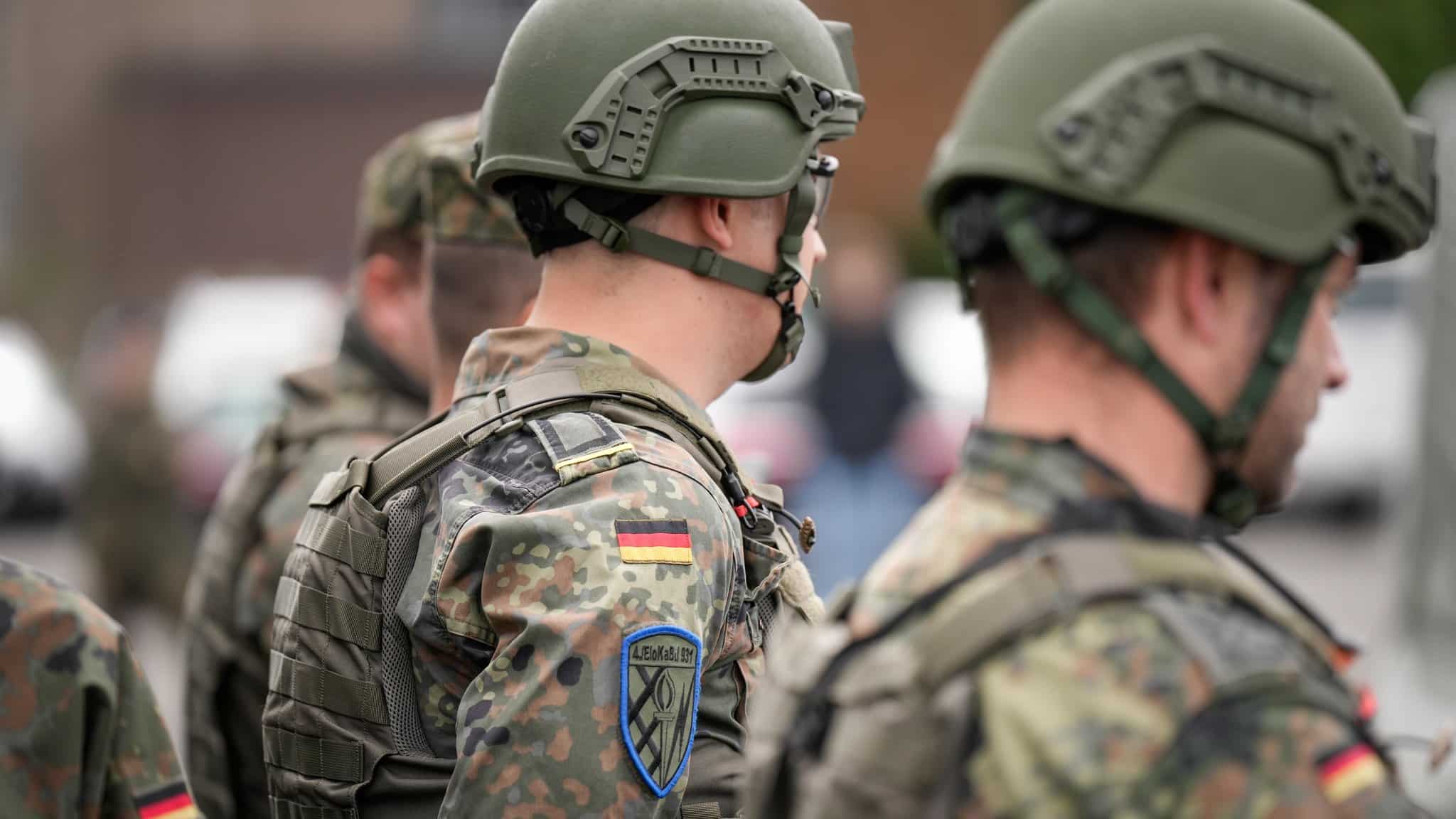
The German Army, known as Bundeswehr, has announced stricter rules for social media use among its personnel, as part of efforts to enhance security and maintain confidentiality of information. This move follows the effectiveness of videos shared by soldiers on platforms such as Instagram and TikTok in attracting new recruits, at a time when the German armed forces are facing a severe shortage of soldiers.
In recent years, many soldiers have utilized these platforms to highlight their daily lives and military experiences, which has helped improve the image of the army and attract young people to join its ranks. However, officials in Bundeswehr have expressed concerns about the potential security risks associated with sharing content on these platforms.
Details of the New Regulations
Reports indicate that the German Army has begun implementing stricter restrictions on the type of content soldiers can share on social media. Personnel have been instructed not to share any information that could reveal their locations or details of military operations. Additionally, it has been emphasized that any content must be reviewed before publication to ensure that military security is not compromised.
This decision comes at a time when Bundeswehr faces significant challenges, as it seeks to bolster recruitment numbers amid increasing demand for armed forces in light of escalating security crises in Europe. Statistics have shown that the army needs approximately 20,000 new soldiers annually to meet its requirements.
Historical Context and Background
Historically, the German Army has undergone significant transformations since the end of the Cold War, with the military being restructured to be more professional and capable of addressing modern challenges. However, current challenges, including regional conflicts and humanitarian crises, have increased pressure on the army to expand its personnel base.
In recent years, the use of social media has become an integral part of recruitment strategies in many armies worldwide. Nevertheless, previous experiences of other armies, such as the U.S. Army, have shown that there are significant risks associated with sharing information online, necessitating precautionary measures.
Consequences and Implications
The tightening of social media rules may impact the German Army's ability to attract new recruits, especially amid fierce competition with other sectors. While these platforms can be an effective means of engaging with youth, the new restrictions may hinder the army's ability to present an appealing image of military life.
Moreover, these measures may raise questions about freedom of expression within the armed forces and how to balance security with individual rights. At the same time, the army must develop new strategies to communicate with the public without jeopardizing security.
Significance for the Arab Region
In the Arab context, these developments could have significant implications. With the increasing reliance on social media for recruitment and promotional campaigns, Arab armies may benefit from the German experiences in managing the risks associated with online information sharing. Military security remains a top priority in many Arab countries, necessitating effective strategies for public engagement.
In conclusion, it appears that the German Army is striving to achieve a balance between attracting new recruits and maintaining military security. As challenges continue, it will be important to monitor how these measures affect the army's ability to adapt to modern changes.