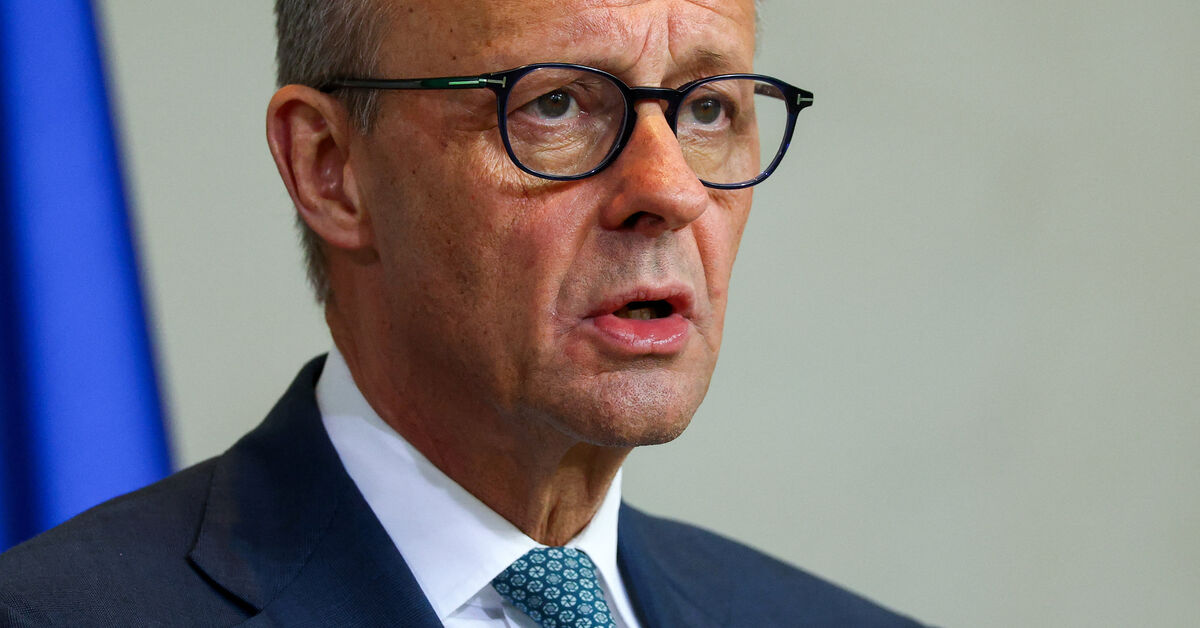
German Chancellor Friedrich Merz clarified in a press conference held with Syrian President Ahmad al-Shaar that there are expectations for around 80% of the Syrian refugees residing in Germany to return to their homeland within the next three years. These statements come amidst warnings from economists and politicians about the potential impacts of this return on the German economy.
Merz's remarks follow a period of discussions regarding the status of Syrian refugees in Germany, where approximately 800,000 Syrian refugees currently reside. The topic of their return to Syria has sparked widespread debate within political and economic circles.
Details of the Announcement
During the press conference, Merz confirmed that the German government is considering facilitating the return of refugees, noting that conditions in Syria have improved relatively, which may encourage many to return. However, he emphasized that this return must occur safely and thoughtfully, as the situation in some Syrian regions remains unstable.
These statements come at a sensitive time, as the German economy faces significant challenges, including rising inflation rates and slowing economic growth. Some economists have warned that the departure of a large number of refugees could lead to a labor shortage, negatively impacting the economy.
Background & Context
Historically, Germany has witnessed a significant influx of Syrian refugees since the onset of the conflict in Syria in 2011. The German government welcomed many of these refugees under its humanitarian asylum policy. Over time, refugees have become part of the social and economic fabric of the country, contributing to various sectors.
However, the debate surrounding their return to Syria raises questions about the security and economic situation in the country. While some believe that return is feasible, others argue that conditions remain unsuitable, making it difficult for refugees to decide to return.
Impact & Consequences
The return of Syrian refugees could significantly affect the German economy, as their departure might lead to a shortage of labor, particularly in sectors that rely on migrant workers. Additionally, this return could influence domestic politics in Germany, potentially stirring mixed feelings among citizens regarding immigration and asylum issues.
On the other hand, if the return is conducted safely, it could contribute to rebuilding Syria and alleviating burdens on host countries. However, this requires political and security stability in the country, which remains a distant goal at present.
Regional Significance
The return of Syrian refugees to their homeland is a significant issue for many Arab countries, as Syria's stability can directly impact security and stability in the region. Furthermore, the return of refugees may help rebuild relations between Arab countries and Syria, potentially enhancing regional cooperation.
In conclusion, the issue of Syrian refugees remains one of the complex challenges that require a delicate balance between humanitarian, economic, and political considerations. The statements from the German Chancellor open the door for further discussion on how to address this issue in the future.