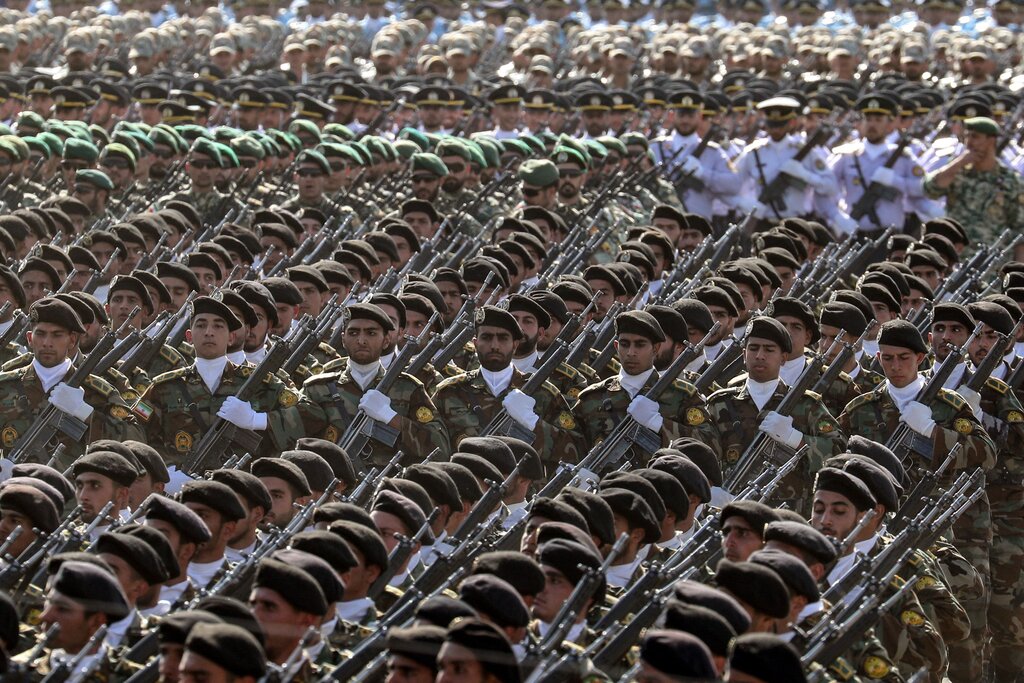
In striking remarks, the German Chancellor indicated that Iran has demonstrated significantly greater strength than anticipated, raising questions about the effectiveness of Western strategies towards it. He noted that the current situation necessitates a reevaluation of the policies pursued by the United States.
These statements come at a time when international relations are experiencing increasing tensions, particularly with the rise of Iranian military activities in the region. There appears to be an urgent need for a deeper understanding of Iran's capabilities and its impact on regional security.
Details of the Event
During a press conference, the German Chancellor explained that Iran has significantly developed its military and technological capabilities, making it a key player in the Middle East. He emphasized that the current American strategy towards Iran seems unclear, which raises concerns among European allies.
He also pointed out that the challenges faced by Western countries in dealing with Iran require greater coordination among allies, especially in light of the escalating tensions in the Gulf region.
Background & Context
Historically, relations between Iran and the West have been strained, particularly following the Islamic Revolution in 1979. Since then, the United States has imposed economic sanctions on Tehran, affecting the Iranian economy and leading to heightened military tensions.
In recent years, Iran has increased its influence in the region by supporting several armed groups, making it a central figure in regional conflicts. This escalation in Iranian activities necessitates a reevaluation of strategies by Western nations.
Impact & Consequences
The implications of the German Chancellor's statements extend beyond European borders, as they could influence U.S. foreign policy towards the Middle East. These remarks are likely to lead to increased pressure on Washington to adopt a clearer and more effective approach in dealing with Iran.
Additionally, these developments may result in changes in regional alliances, as some Arab countries might seek to strengthen their relations with Tehran amid the ambiguity of Western policies.
Regional Significance
Iran is considered a key player in many Arab conflicts, including in Iraq, Syria, and Lebanon. The increase in Iran's power could exacerbate existing conflicts, threatening stability in the region.
At the same time, these developments may prompt Arab countries to rethink their security and defense strategies, potentially leading to new alliances or a reshaping of existing relationships.
In light of these complex circumstances, the international community must engage cautiously with Iran and strive for a deeper understanding of its capabilities and influence on regional security.