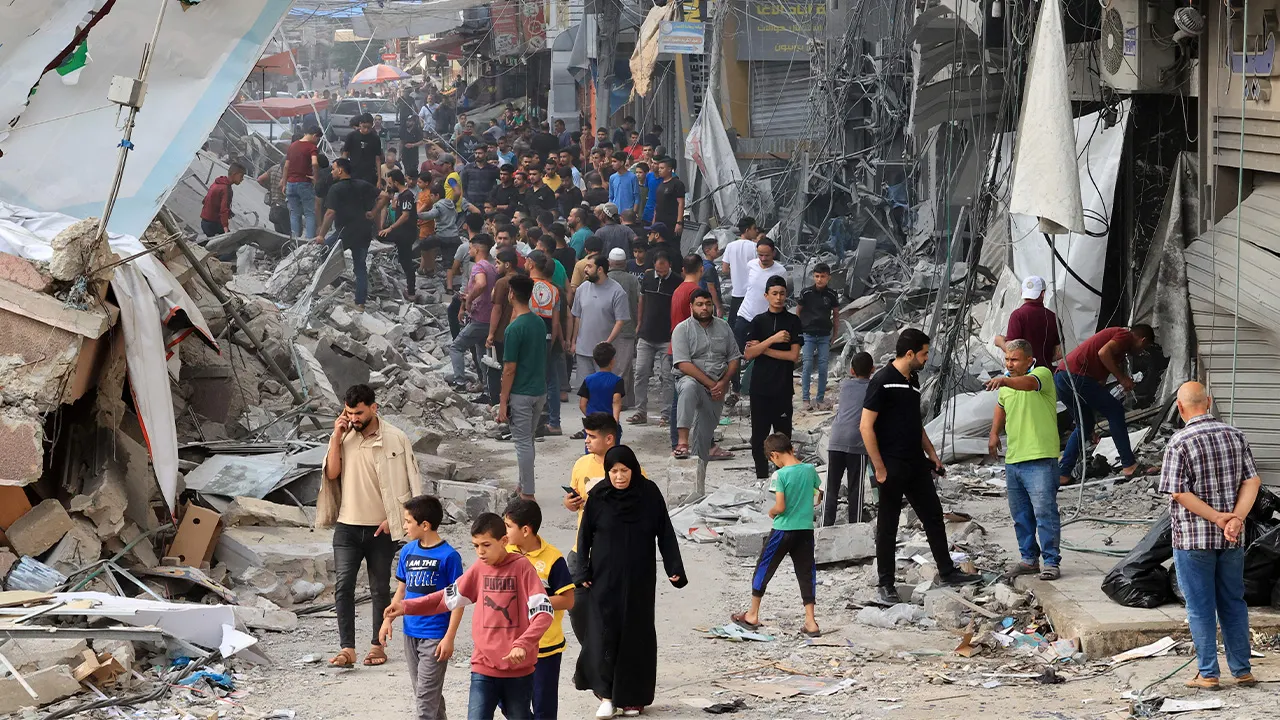
A German court has issued a final ruling regarding the posts made by Ghazi about the situation in Gaza, sparking widespread debate about freedom of expression and its limits. This ruling follows a series of legal cases that have raised discussions about the impact of social media.
The ruling issued by the German court is considered an important step in determining how local laws deal with content published online, especially when it comes to sensitive issues such as the conflict in Gaza. This ruling has elicited mixed reactions among advocates for freedom of expression and observers who believe that such decisions may negatively affect public discourse on humanitarian and political issues.
Details of the Case
The details of the case trace back to posts made by Ghazi on his social media accounts, where he addressed the humanitarian conditions in Gaza. Some entities considered these posts to contain misleading or inciting information, prompting legal complaints against him. After reviewing the evidence and testimonies, the court issued its final ruling, which emphasized the importance of freedom of expression while also noting the necessity of accuracy in published information.
The ruling came at a sensitive time, as pressures on social media platforms to be more responsible in the content circulated are increasing. The court considered that freedom of expression does not necessarily mean the freedom to publish inaccurate information, placing an additional responsibility on individuals regarding how they use these platforms.
Background & Context
Historically, Germany has witnessed numerous cases related to freedom of expression, especially after World War II. German laws are among the strictest in the world when it comes to incitement to hatred or the dissemination of misleading information. This ruling reflects the balance that the German government seeks to achieve between protecting freedom of expression and ensuring that this freedom is not used as a cover for spreading hatred or false information.
In recent years, with the increasing use of social media, issues related to published content have become more complex. Many European countries, including Germany, have begun to take legal steps to address the challenges posed by misleading information online.
Impact & Consequences
The ruling issued by the German court may have far-reaching implications on how countries deal with digital content. This ruling could encourage other countries to adopt similar policies, potentially leading to changes in how social media is regulated. At the same time, it may increase awareness among users about the importance of verifying information before sharing it.
On the other hand, this ruling could enhance the discussion about the limits of freedom of expression in the digital world. How can countries protect individuals' rights to express their opinions without compromising facts or disseminating misleading information? This question will remain relevant in the near future.
Regional Significance
Considering the situation in the Arab region, this ruling could have significant implications. Many Arab countries face similar challenges related to freedom of expression and social media. The German ruling may provide a model for Arab countries on how to handle legal issues related to digital content.
Moreover, the discussion about freedom of expression in the Arab world may be strengthened as a result of this case, potentially leading to further demands for improving local laws to protect individuals' rights to express their opinions.
In conclusion, this ruling represents an important step in determining how laws interact with digital content and reflects the challenges societies face in achieving a balance between freedom of expression and maintaining accuracy in information.