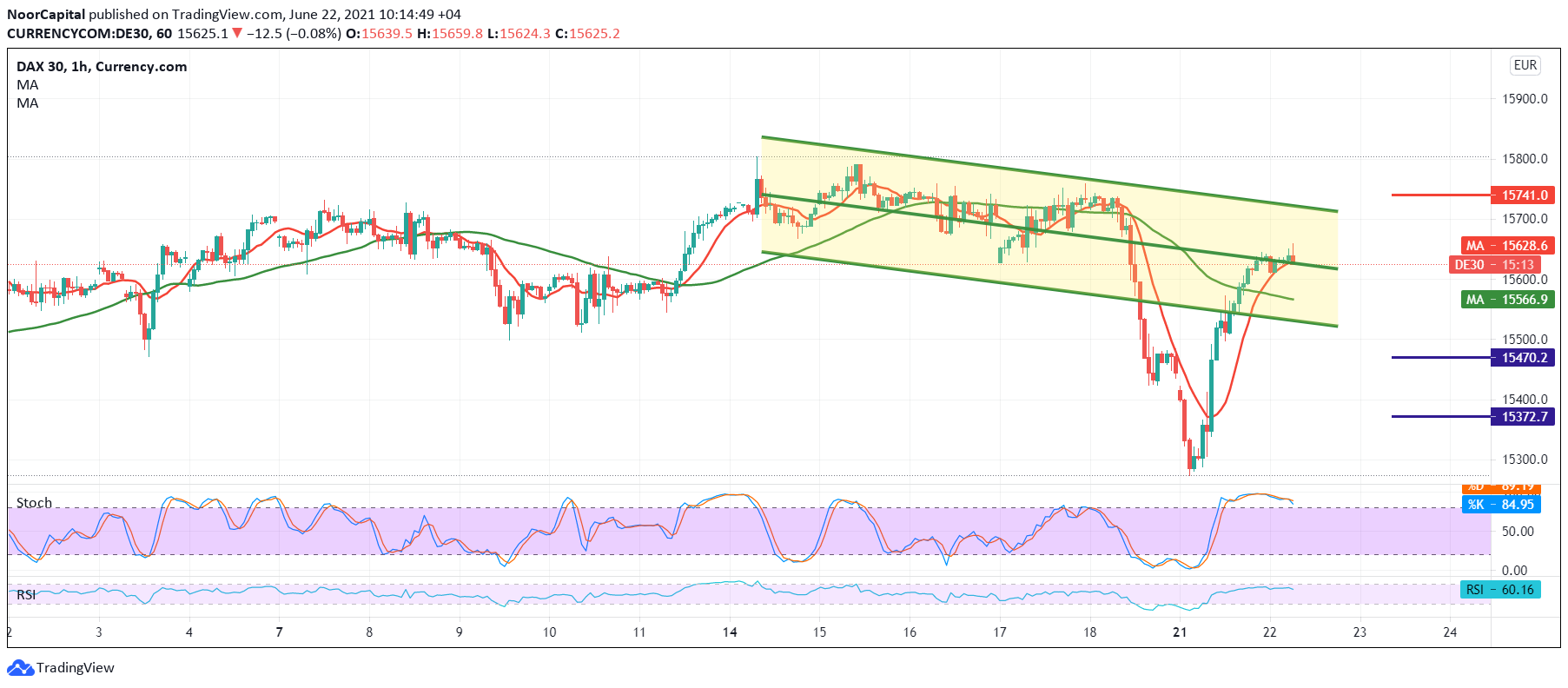
The German DAX index fell by 2% at the beginning of the trading week, settling at 21,961 points. This decline is the first since the shock of the tariffs imposed by former US President Donald Trump in April 2025. These developments come amidst rising fears of escalating conflict in the Middle East, particularly concerning Iran's relationship with the United States.
The drop in the DAX reflects a state of uncertainty in the financial markets, as investors rush to reassess the risks associated with increasing regional conflict. As many European countries seek to stabilize their economies, further tensions could weaken economic recovery in the region.
Event Details
In recent days, tensions between Iran and the United States have intensified, particularly with the harsh statements issued by both sides, raising concerns among investors in the financial markets. For the first time in over a year, the DAX has dipped below the psychologically significant level of 22,000 points, reflecting a widespread sense of fear and anxiety among traders.
In addition to the escalating geopolitical circumstances, the markets have also felt the effects of other economic factors, including negative reports from specific sectors such as industry and trade, which indicate larger declines in economic activity.
Background & Context
The DAX had previously experienced significant gains when the markets were anticipating positive economic results with the recovery of European economies. However, with the onset of the trade war between the US and China, coupled with increased tensions in the Middle East, investors began to shift their strategies and adopt more cautious positions.
The tariffs imposed by Trump have contributed to a spiral of economic and political tensions, negatively impacting financial markets globally. Thus, the fall of the DAX below 22,000 points is viewed as an important signal regarding the fragile confidence in the economies of major countries.
Impact & Consequences
This decline in the DAX is just the beginning, as it could lead to reactions in other European markets, affecting key indices such as FTSE 100 and CAC 40. Investors may choose to take additional precautions and steer clear of high-risk stock markets, which could affect liquidity levels and investor confidence in the markets.
Moreover, this downturn could exert moral pressure on the German economy, which heavily relies on exports. Erosion of confidence in the markets may lead to negative effects on growth rates and domestic investment.
Regional Significance
For the Arab region, the escalating tension between the United States and Iran could bear wider and deeper repercussions. Any future escalation could significantly impact oil prices and financial markets in Gulf countries, reflecting the strong reliance of Arab states on oil exports for economic growth.
It's crucial for Arab nations to closely monitor the developments, as the effects of these tensions could lead to rapid changes in local markets and political transformations in the region.
In conclusion, the current situation requires investors and analysts to continually monitor the evolving global and regional conditions, seeking investment opportunities while risk levels remain high.