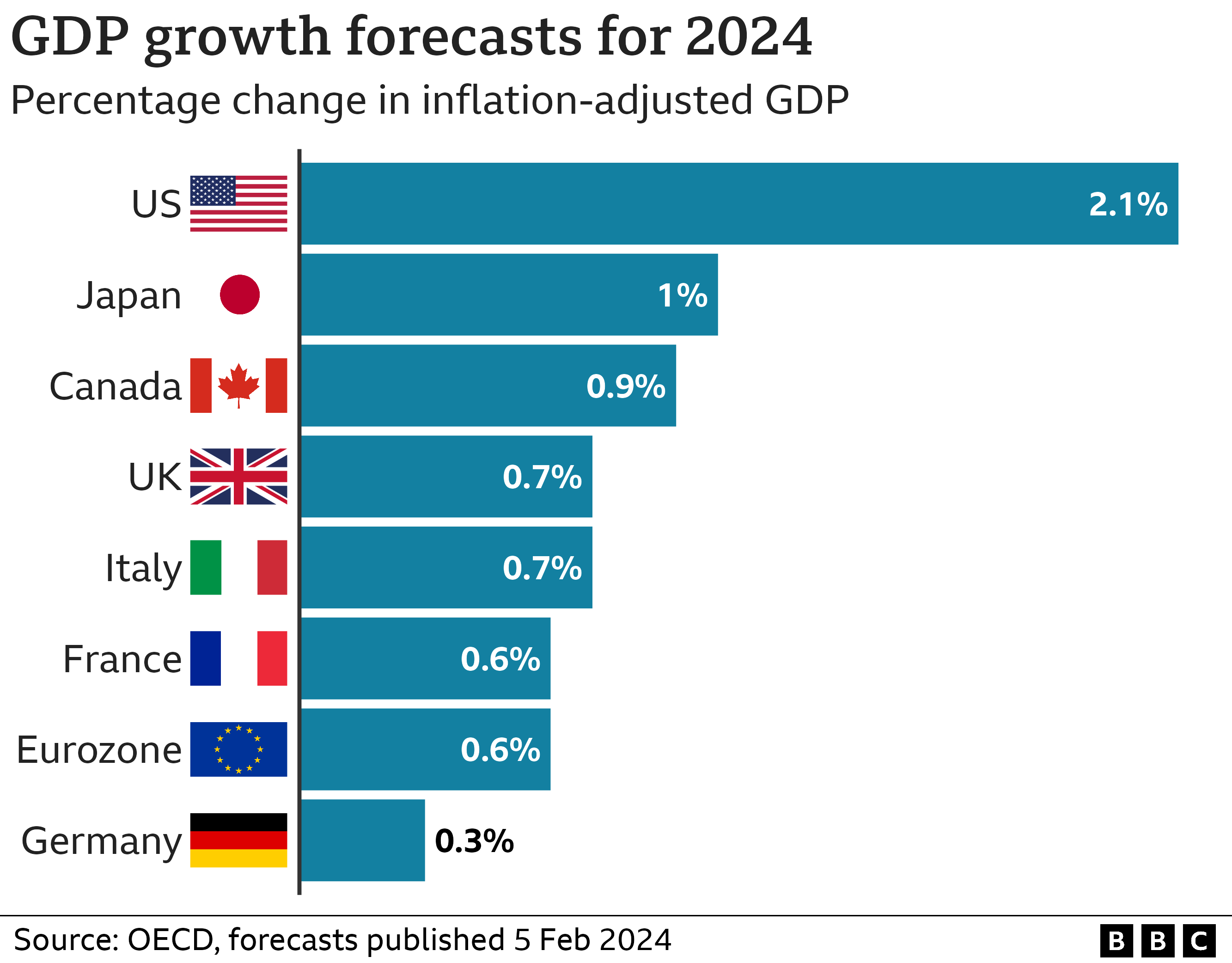
Reports from leading research institutes in Germany indicate that the German economy will witness growth of less than half the rate expected a few months ago, due to the ongoing conflict in the Middle East. This decline comes at a time when forecasts pointed to a significant economic recovery, raising concerns about the future of the German economy under the current circumstances.
Estimates suggest that economic growth in Germany could drop significantly, as it was expected to reach high levels, but current events in the Middle East have led to radical changes in these forecasts. This data reflects the interconnectedness between regional crises and global economies, as any disruption in the Middle East directly affects European markets.
Details of the Situation
In its latest report, German research institutes confirmed that the conflict in the Middle East, which has seen a notable escalation in recent months, has contributed to the reduction of economic growth forecasts. This conflict, involving several countries and affecting the stability of the region, has led to increased energy and commodity prices, negatively impacting the German economy, which heavily relies on imports.
Moreover, the tense security situation in the Middle East is leading to a decline in foreign investments in Germany, as investors prefer to direct their funds to more stable regions. This trend may contribute to reducing economic growth opportunities and increase the challenges faced by the German government in achieving its economic goals.
Background & Context
Historically, the Middle East has always been pivotal in the global economy, being a major source of oil and gas. Any conflict or tension in this region directly affects energy prices, which in turn impacts European economies, including the German economy. In recent years, the region has witnessed numerous crises, from the Syrian conflict to tensions between Iran and Gulf countries, all of which have had repercussions on economic stability in Europe.
Furthermore, Germany, as the largest economy in Europe, plays a significant role in stabilizing the European market. Therefore, any decline in economic growth in Germany could lead to negative effects on other EU countries, complicating the economic landscape in the region.
Impact & Consequences
The reduction in economic growth forecasts may lead to widespread repercussions at both local and international levels. Locally, the German government may have to reassess its economic policies and introduce new incentives to support growth. Additionally, companies may face greater challenges in achieving their expansion goals, potentially leading to job cuts and increased unemployment rates.
Internationally, a decline in the German economy could increase pressure on other European countries, potentially leading to a slowdown in growth across the region. This slowdown could affect global trade, as Germany is one of the largest exporters in the world, and any decline in its exports could impact global markets.
Regional Significance
For the Arab region, a decline in the German economy could mean reduced opportunities for economic and investment cooperation. Many Arab countries rely on partnerships with Germany in various fields, such as industry and technology. Therefore, any decline in German economic growth could negatively affect these partnerships and reduce investment opportunities.
In conclusion, it is evident that the conflict in the Middle East has profound effects on the global economy, including the German economy. These challenges require effective responses from both governments and businesses to ensure economic growth stability amid changing conditions.