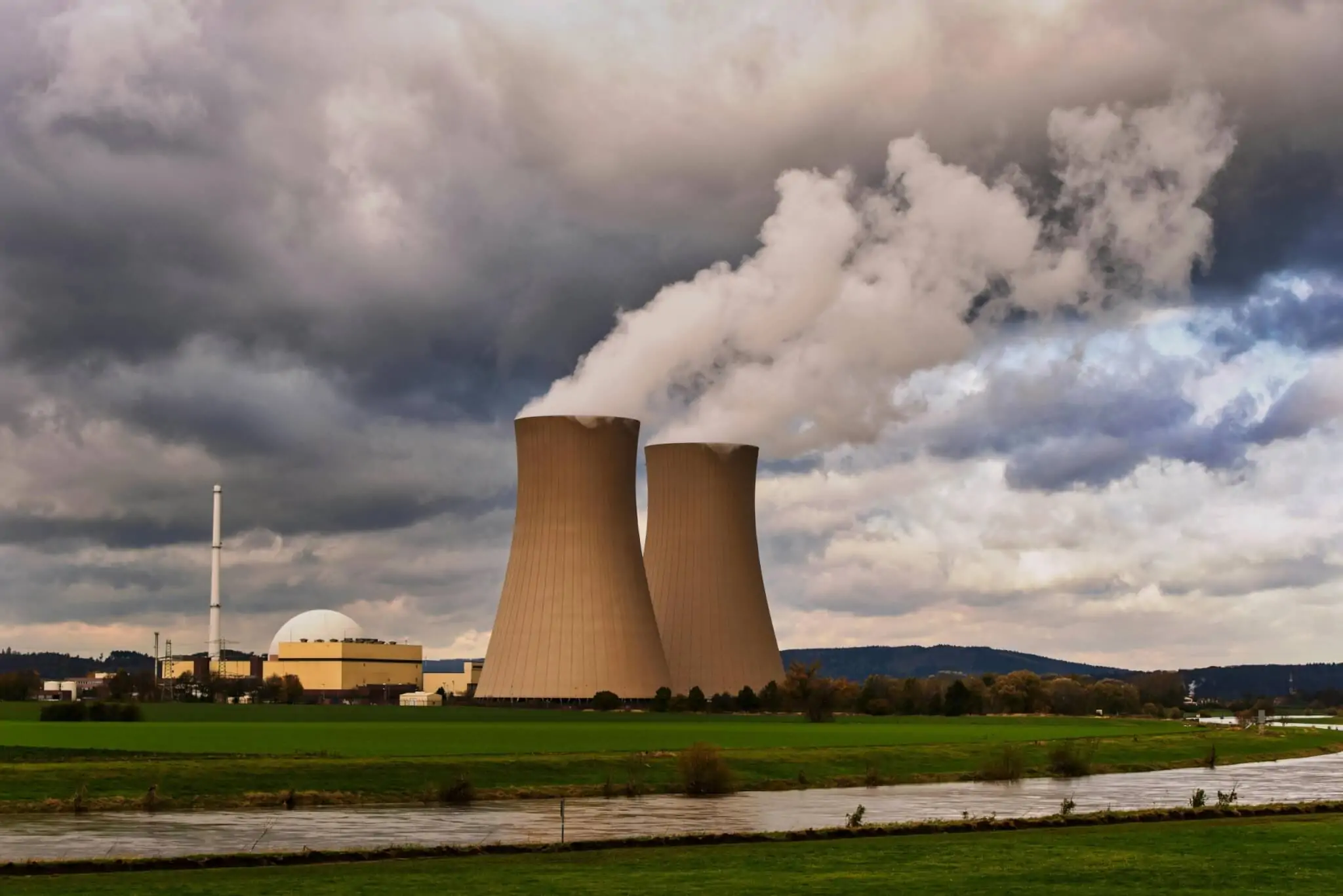
German Economy Minister Katharina Reich has called for a reevaluation of nuclear energy use, indicating that reliance on natural gas exposes the country to shocks in energy markets. This statement was made during a conference aimed at encouraging investment in Germany, where she emphasized that previous decisions to close nuclear power plants mean the country lacks reliable alternatives for energy generation.
In her remarks to the Financial Times, Reich stated, "We need gas to secure our supplies, and that is the only remaining primary energy source for me," warning that the current political situation does not provide any effective alternative.
Event Details
Electricity prices in Germany are expected to quadruple by May compared to prices in France, which is one of the most nuclear-dependent countries in Europe. In this context, Reich, a member of the Christian Democratic Union, called for Germany to participate in reviving nuclear energy use in Europe.
She pointed out that Germany faces two options: either rely solely on gas as an energy source or reconsider its interest in nuclear technology. This comes at a time when other European countries, such as Poland and Sweden, are investing in new nuclear power plants, reflecting a shift in energy policies across the continent.
Background & Context
The roots of these discussions date back to 2011 when former Chancellor Angela Merkel decided to close nuclear plants, a decision that continued under the previous government led by Olaf Scholz. Friedrich Merz, leader of the Christian Democratic Union, described this policy as a "major mistake," reflecting the political divide over the future of energy in Germany.
Although previous policies aimed to transition towards clean energy sources, they have led to increased reliance on natural gas, much of which came from Russia before the outbreak of the war in Ukraine in 2022. This trend has placed significant pressure on the German economy, especially amid current crises in energy markets.
Impact & Consequences
Europe is now facing a new energy shock following the initial shock caused by the war in Ukraine, where the closure of the Strait of Hormuz and the decline in global oil and gas supplies have led to gas prices in European markets rising by over 70%. This situation negatively impacts German industries, which will face increased production costs, particularly in energy-intensive sectors.
Leading German economic institutes have also downgraded their economic growth forecasts, warning that rising inflation resulting from geopolitical crises will severely affect the German economy. The economy was expected to grow by 0.6% in 2026, a significant decrease from previous forecasts.
Regional Significance
The Arab region is also affected by changes in global energy markets, as many Arab countries seek to diversify their energy sources and reduce reliance on fossil fuels. The European shift towards nuclear energy could open new avenues for cooperation between Arab countries and Europe in the field of clean energy.
In conclusion, Katharina Reich's calls highlight a significant step in reevaluating energy strategies in Germany, which could influence energy policies across Europe as a whole.