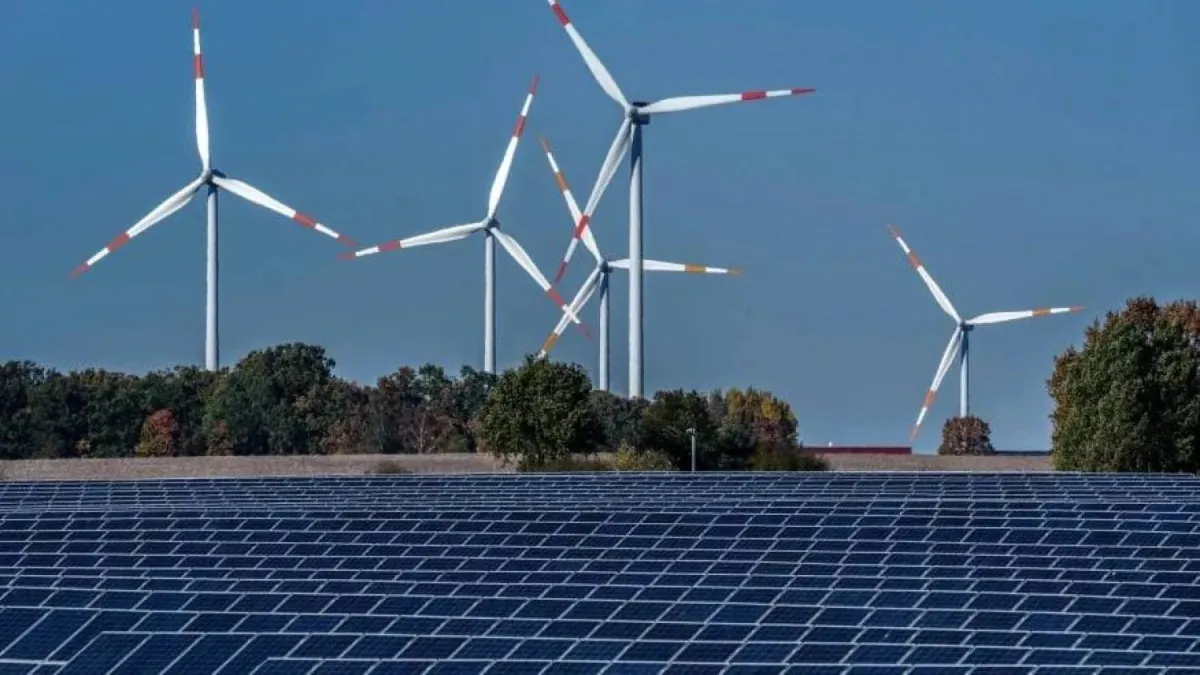
A recent survey indicates that over two-thirds of Germans desire to expedite the expansion of renewable energy, particularly in light of escalating tensions arising from the Iran war and its effects on global energy supplies.
According to a survey conducted by YouGov on behalf of the German Solar Industry Association, 68% of eligible German voters expressed their wish for the government to reduce dependence on oil and natural gas imports by increasing the use of renewable energy and storage systems.
Event Details
The Association noted that 78% of citizens view heavy reliance on energy imports as a threat, based on the survey conducted at the end of March. The conflict in Iran has disrupted maritime navigation in the Strait of Hormuz, a key transit point for about 20% of the world's oil and gas, leading to significant shortages in energy supplies globally.
In this context, the Executive Director of the Association, Carsten Kornisch, emphasized that renewable energy sources, such as solar and wind power, enhance the resilience of the energy system and provide sustainably lower electricity prices for all consumers. He pointed out that the German Ministry of Economy's plans to reduce support for solar energy systems contradict the citizens' wishes.
Background & Context
The German government is seeking to cut support for solar energy, with plans to eliminate subsidies for new small solar systems, according to a draft amendment to the Renewable Energy Act issued last January. The project also aims to align the expansion of solar and wind energy facilities with the development of networks, which still lag behind this expansion.
The issue of 'redistribution reservation' is one of the most controversial points in the draft, as areas where the reduction in renewable energy production exceeded 3% in the previous year could be classified as 'capacity-limited' areas for up to 10 years. This means reducing or halting production from solar and wind power plants to avoid grid congestion.
Impact & Consequences
Reports warn that these plans will prolong dependence on gas and oil imports, which will cost the German economy and society dearly. Amid increasing global crises, it becomes essential to enhance renewable energy sources to secure energy independence.
There is mounting pressure on the German government to adopt more sustainable policies, especially in light of climate change and geopolitical challenges. Promoting renewable energy is not just an economic choice but a strategic necessity.
Regional Significance
This shift in German energy policy signals a global trend towards renewable energy, which may impact oil-rich Arab nations. This could require Arab countries to rethink their economic and energy strategies, especially as the global trend moves towards reducing reliance on fossil fuels.
In conclusion, supporting renewable energy in Germany presents an opportunity to enhance cooperation between Arab countries and Germany in sustainable technology and clean energy, potentially contributing to achieving sustainable development goals.