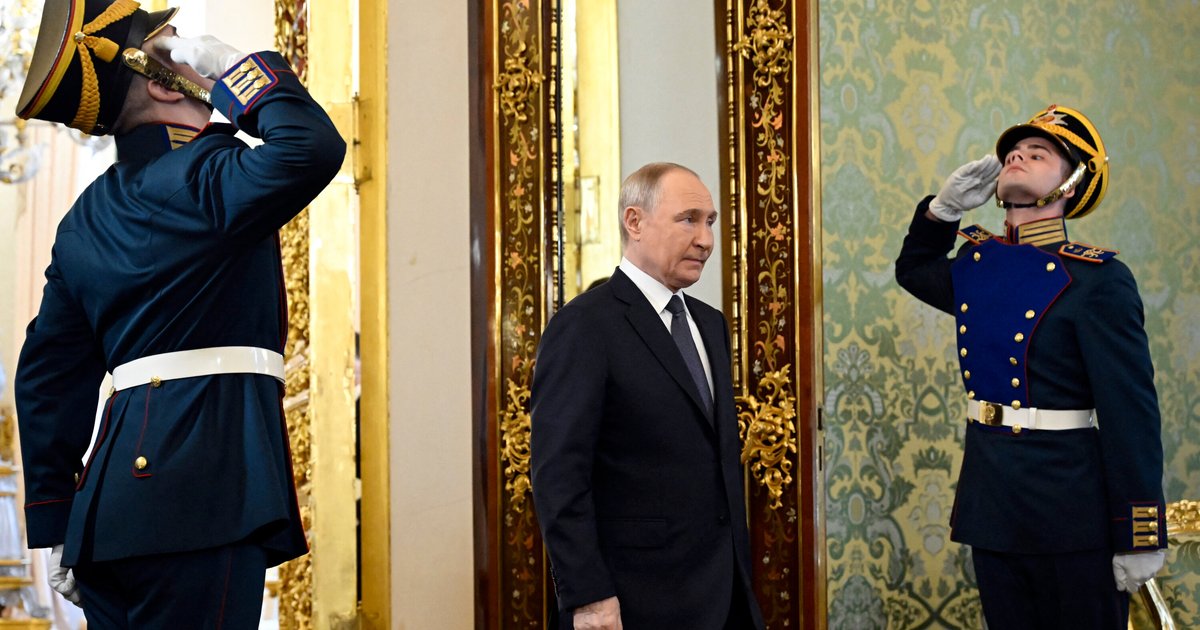
The German government has voiced its reservations regarding Russian President Vladimir Putin's suggestion to appoint former Chancellor Gerhard Schröder as a mediator in peace talks related to the Ukraine conflict. This statement comes at a critical time as international pressure mounts to end the dispute.
In official remarks, the spokesperson for the German government confirmed that Schröder no longer has a role in German politics, and that any mediation efforts should come from figures who enjoy broad support from the international community. This statement reflects Berlin's discomfort with any attempt by Moscow to employ historical figures in the context of the Ukrainian crisis.
Details of the Proposal
Earlier, Putin indicated that Schröder, who served as Chancellor from 1998 to 2005, could play an important role in facilitating dialogue between Russia and Ukraine. This proposal comes at a time when tensions between the two countries are escalating, with military operations continuing and humanitarian conditions worsening.
Many observers have considered Putin's proposal as an attempt to alleviate international pressure on Russia, while the German government's stance remains firmly in support of Ukraine. Furthermore, Schröder himself has faced widespread criticism due to his close ties with the Kremlin, complicating any mediation efforts.
Background & Context
Historically, relations between Germany and Russia have been volatile, particularly following Russia's annexation of Crimea in 2014. Since then, Germany has taken a strong stance against Russian policies, supporting the economic sanctions imposed by the European Union. Schröder, regarded as a close friend of Putin, could raise concerns for the German government if appointed to any official role.
It is noteworthy that Schröder is known for his support of Russian energy projects, such as the Nord Stream pipeline, further complicating his position in German politics. This historical context makes it difficult for the German government to accept any proposal involving his character in peace talks.
Impact & Consequences
These developments carry significant implications for international efforts to end the Ukrainian conflict. As fighting continues, the need for effective mediation increases, yet Putin's proposal may hinder these efforts rather than enhance them. Doubts surrounding Schröder could lead to further divisions among Western nations regarding how to engage with Russia.
Moreover, the German government's position may influence the stance of the European Union as a whole, as member states seek to coordinate their response to the crisis. Under these circumstances, any mediation efforts will require broad support from the international community to ensure their success.
Regional Significance
The Arab region is indirectly affected by these developments, as the conflict in Ukraine has repercussions on energy prices and global markets. Rising oil and gas prices due to the conflict could impact Arab economies, particularly those heavily reliant on energy exports.
Additionally, the ongoing tensions between Russia and the West may affect regional stability, prompting Arab countries to adopt cautious positions in their foreign policy.
In conclusion, the situation in Ukraine remains under close observation, as any progress towards peace requires international consensus and strong political will. Germany's stance on Putin's proposal reflects the complexities of international politics amid the multiple crises facing the world today.