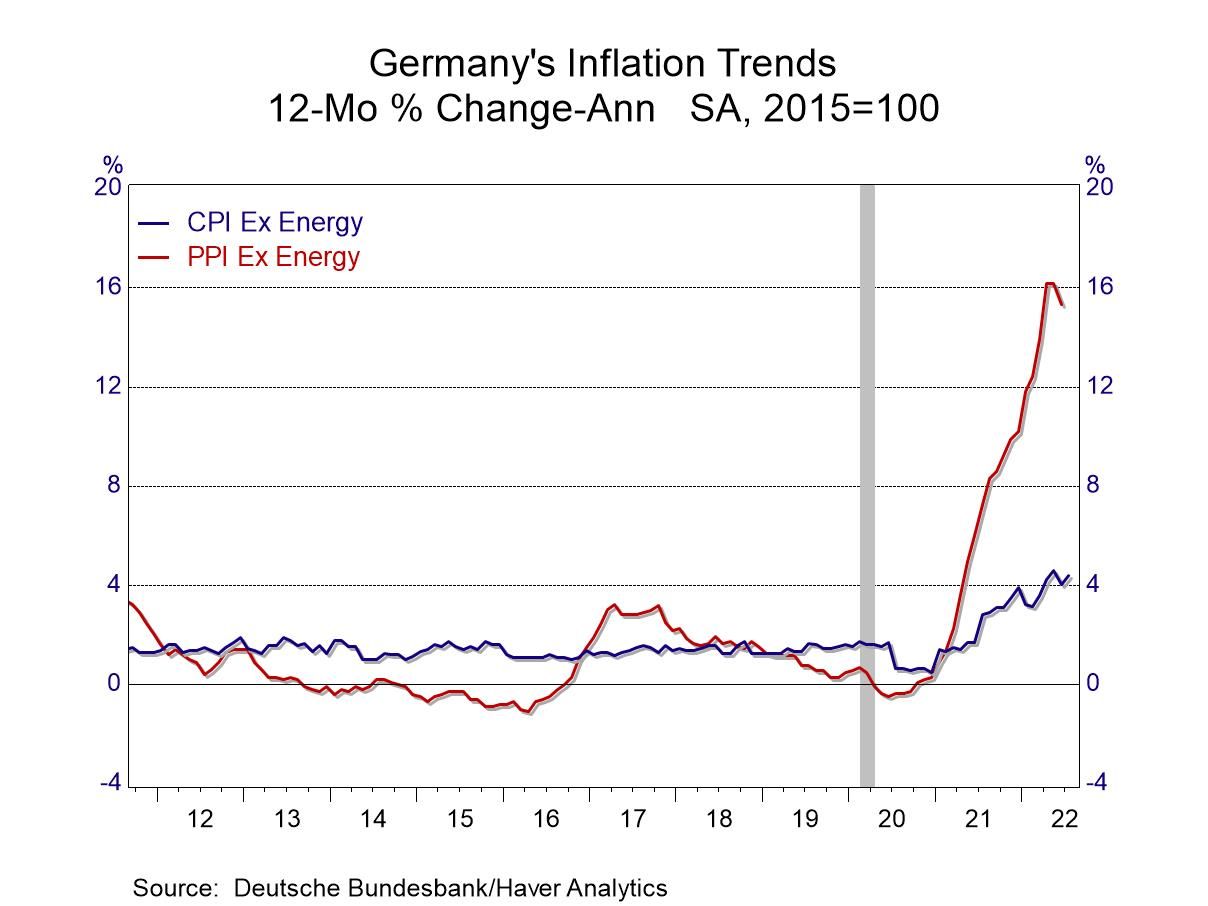
Germany has recorded an inflation increase that is less than anticipated, which bolsters the European Central Bank's (ECB) position regarding interest rate decisions. This comes at a time when the region is experiencing heightened geopolitical tensions, particularly due to the ongoing war in Iran and its potential impacts on the European economy.
According to reports, inflation in Germany rose by 4.5% in September, which is below the forecasts that had predicted a rise of 5%. These figures indicate a state of relative stability in the German economy, despite the surrounding global challenges.
Event Details
These numbers are seen as a positive indicator for the ECB, as they may influence its decisions regarding interest rate increases. Given the current circumstances, it seems that the ECB is inclined to wait before making any bold moves, reflecting its concerns about the effects of the war in Iran on the European economy.
Pressure on the ECB is mounting as the conflict in the Middle East continues, where disruptions could lead to rising energy and food prices, potentially increasing inflation rates further in the future. In this context, the low inflation in Germany presents an opportunity for the central bank to assess the situation before making any decisive actions.
Background & Context
Historically, Germany has experienced significant fluctuations in inflation rates, especially following global economic crises. In recent years, inflation in the country has been heavily influenced by geopolitical events, including conflicts in the Middle East and the energy crisis. These factors play a crucial role in shaping the monetary policies of the European Central Bank.
In 2022, Europe as a whole saw a substantial increase in inflation rates due to rising energy and food prices, prompting the ECB to take unprecedented steps to raise interest rates. However, the latest figures suggest that inflation in Germany may be on a path toward stabilization, providing the ECB with greater leeway to consider its next moves.
Impact & Consequences
These figures could have implications for European financial markets, as investors anticipate changes in monetary policies. If inflation continues to decline, the ECB may decide to postpone any new interest rate hikes, potentially leading to greater stability in financial markets and increased confidence in the European economy.
Conversely, if geopolitical pressures continue to affect energy prices, this could result in a resurgence of inflation, placing the ECB in a challenging position. The current situation requires careful monitoring by policymakers to ensure the stability of the European economy amidst changing conditions.
Regional Significance
Arab countries are directly affected by European markets, as many Arab nations are key exporters of oil and gas. If inflation in Europe continues to decrease, this could lead to stabilization in energy prices, benefiting the economies of Arab countries. However, any escalation in the conflict in Iran could lead to price increases, negatively impacting the region.
Ultimately, the current situation necessitates close coordination between Arab and European countries to address shared economic challenges. Arab nations must be prepared to adapt to any changes in European policies to ensure the stability of their economies.