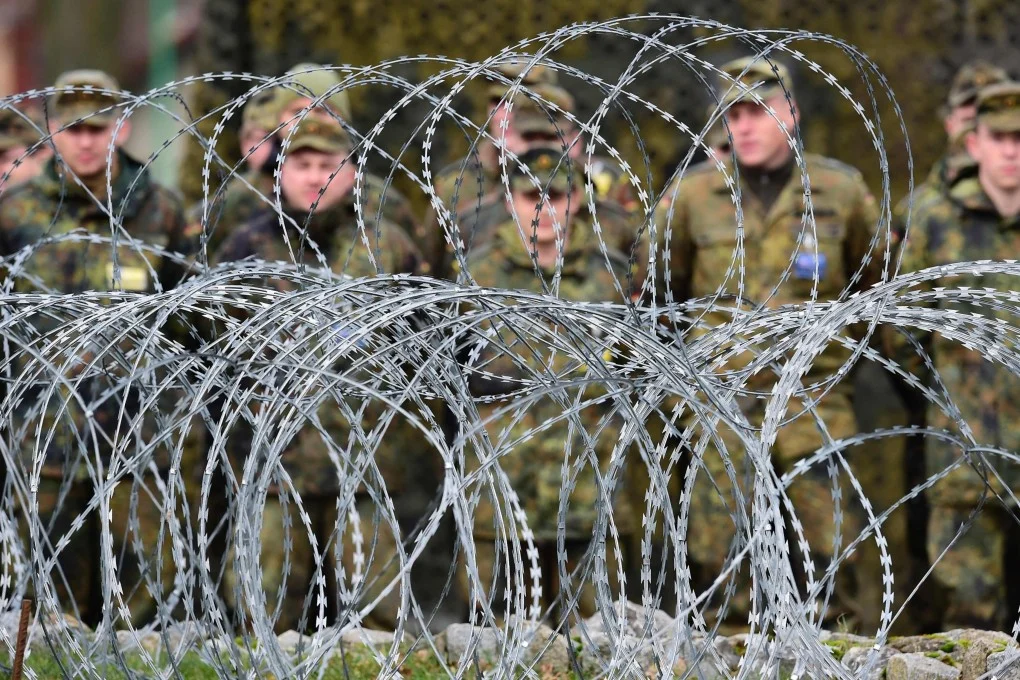
Germany and the Netherlands have announced the establishment of a joint tactical command center in the Baltics as part of NATO's efforts to strengthen its military presence on the eastern flank. The center, which will be named 1GNC, is set to begin operations in the coming months, overseeing forces in Estonia and Latvia.
This announcement was made by the German Ministry of Defense, which confirmed that the creation of this center will enhance the alliance's cohesion in the face of increasing security challenges, particularly amid rising tensions with Russia. This decision comes at a sensitive time as European countries seek to bolster their defense capabilities in light of escalating security threats in the region.
Details of the Command Center
The new center will coordinate military operations and direct forces in the event of any escalation. It is considered part of a broader NATO strategy to enhance its presence in Eastern Europe, where the Baltic states represent strategic points against potential threats from Russia.
This move follows a series of joint military exercises among NATO member states aimed at improving coordination and military readiness. The establishment of this center reflects Germany and the Netherlands' commitment to enhancing European security in the face of growing challenges.
Background & Context
Historically, the Baltic region has experienced ongoing tensions due to Russian policies, especially following the annexation of Crimea in 2014. This escalation prompted European countries to reassess their defense strategies, leading to increased military cooperation among NATO member states.
Since then, many NATO member countries have deployed their forces to the Baltic states as part of deterrence efforts. The new command center is an additional step in this direction, as the alliance seeks to bolster its military presence in the region.
Impact & Consequences
The establishment of the joint command center is a significant strategic move, enhancing NATO's ability to respond swiftly to any potential threats. It also reflects the commitment of NATO member states to work together in addressing security challenges.
This development may lead to increased tensions with Russia, which could perceive this action as a threat to its security. Consequently, Russian reactions to this step will be closely monitored in the coming period.
Regional Significance
While events in the Baltic states may seem distant from the Arab region, the enhancement of military cooperation among European countries could impact regional security. Any escalation in European tensions may affect the stability of the Arab region, especially given the increasing security challenges it faces.
In conclusion, the establishment of the command center in the Baltics is a crucial step in strengthening European security and reflects NATO member states' commitment to addressing growing security challenges. However, reactions from Russia will remain a significant focus in the near future.