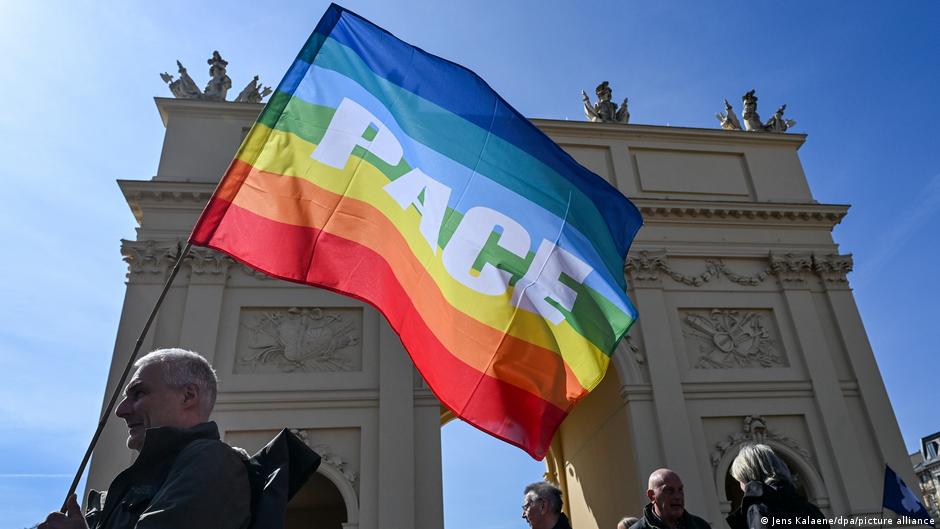
The peace movement in Germany is preparing to organize traditional Easter marches, with thousands expected to participate in over a hundred events across various cities from April 2 to 6. These activities come amid rising concerns over wars in the Middle East and the reintroduction of military service, raising fears among many Germans.
The scheduled events will include a variety of activities, ranging from "bicycles for peace" tours to concerts and all-day gatherings, where speeches will address issues related to wars in Iran, Gaza, and Ukraine, as well as the conflict in Rojava in northern Syria, human rights, and climate justice.
Event Details
This year's marches come at a sensitive time, as the German government has decided to partially reinstate military service, sparking widespread debate in society. Since the beginning of the year, all young people turning 18 have begun receiving questionnaires from the German army to assess their "motives and suitability" for service. Young males are required to fill out these questionnaires, while women, who are exempt from mandatory military service according to the constitution, may participate voluntarily.
This move has sparked a wave of school strikes across the country, and this year's Easter marches are expected to see greater participation from youth. Christian Gula, spokesperson for the German Peace Movement Network, reported that about 20 of the events will feature speakers addressing the issue of military service.
Background & Context
The roots of the Easter marches in Germany date back to the early 1960s, directly inspired by the campaign for nuclear disarmament in the United Kingdom. These marches saw rapid growth during the Cold War, with participation rising from a few thousand in the early 1960s to hundreds of thousands by 1968.
Participants typically gather from a diverse array of organizations, including churches, unions, leftist political parties, and peace groups such as the German Peace Society. However, recent years have seen a decline in the ability to mobilize people, as these traditional organizations no longer possess the same mobilization power.
Impact & Consequences
Despite the legitimate issues raised by the peace movement, expectations regarding participation numbers in this year's Easter marches are not particularly optimistic. Hendrik Hegemann, a senior researcher at the Institute for Peace Research and Security Policy in Hamburg, believes that many Germans feel hesitant about current conflicts, making it difficult to rally people.
Reports indicate that the sense of security in Germany has significantly declined in recent years, with a report from the Allensbach Institute in February showing that only 55% of Germans feel safe, compared to 70% in 2019. Additionally, two-thirds of Germans fear the possibility of their country becoming involved in direct warfare.
Regional Significance
These marches coincide with rising tensions in the Middle East, where conflicts in Iran and Gaza affect regional security. These events serve as a reminder of the importance of dialogue and diplomacy in addressing conflicts, which could have a direct impact on stability in the Arab region.
In conclusion, the Easter marches in Germany remain a symbol of the desire for peace, despite the challenges faced by the peace movement. As concerns about global conflicts increase, there is hope that these events will contribute to raising awareness and advocating for peace.