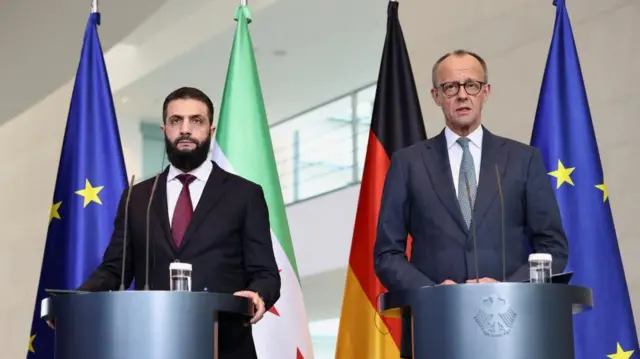
The German government, led by Chancellor Olaf Scholz, has unveiled a new plan aimed at repatriating most Syrian refugees to their homeland within a three-year timeframe. This decision comes at a time when the far-right party 'Alternative for Germany' is experiencing a surge in popularity, prompting the government to adopt a stricter approach towards immigration and asylum issues.
The new plan includes multiple measures, such as enhancing cooperation with the Syrian government to ensure the safe return of refugees. The German government will also work to provide necessary support for returning refugees, including assistance in reconstruction and job opportunities.
Details of the Initiative
The German government aims to repatriate approximately 80% of the Syrian refugees currently residing in the country, as part of a new policy designed to reduce the number of migrants. This plan was announced during a joint press conference with the German Minister of the Interior, who emphasized the importance of achieving stability in Syria as a prerequisite for the return of refugees.
This move comes at a time when the ruling party faces increasing pressure from right-wing parties that adopt strict stances on immigration. Opinion polls have shown that support for the 'Alternative for Germany' party has risen significantly, prompting the government to take more stringent measures.
Background & Context
The issue of Syrian refugees is one of the most sensitive topics in Europe, with Germany having accepted over 1.5 million Syrian refugees since the onset of the conflict in 2011. However, conditions in Syria have begun to improve relatively, raising questions about whether it is time for refugees to return.
In recent years, Germany has seen a decline in the number of refugees arriving from Syria, with numbers dropping significantly. Nevertheless, there remain substantial challenges facing returning refugees, including security and economic conditions in the country.
Impact & Consequences
This new policy could lead to significant changes in Germany's demographic makeup, as it is expected to affect local communities hosting refugees. Additionally, this step may provoke mixed reactions among German citizens, with some expressing support for the return of refugees, while others are concerned about the implications of this policy.
Furthermore, this policy may impact relations between Germany and Syria, as it may require further cooperation between the two governments to ensure the safe return of refugees. This move could also affect Germany's position within the European Union, where some countries adopt more stringent stances on immigration issues.
Regional Significance
This step is significant for the Arab region, as it reflects changes in European immigration policy towards refugees. The return of Syrian refugees could enhance stability in Syria, potentially contributing to the country's reconstruction after years of conflict.
Moreover, this policy may open the door for further discussions on how to address asylum and immigration issues in the region, as Arab countries seek sustainable solutions to the Syrian crisis.
In conclusion, the German government's new policy towards Syrian refugees represents a major shift in its approach, reflecting the political and social pressures it faces. It remains to be seen how this policy will affect the refugees themselves and the communities that host them.