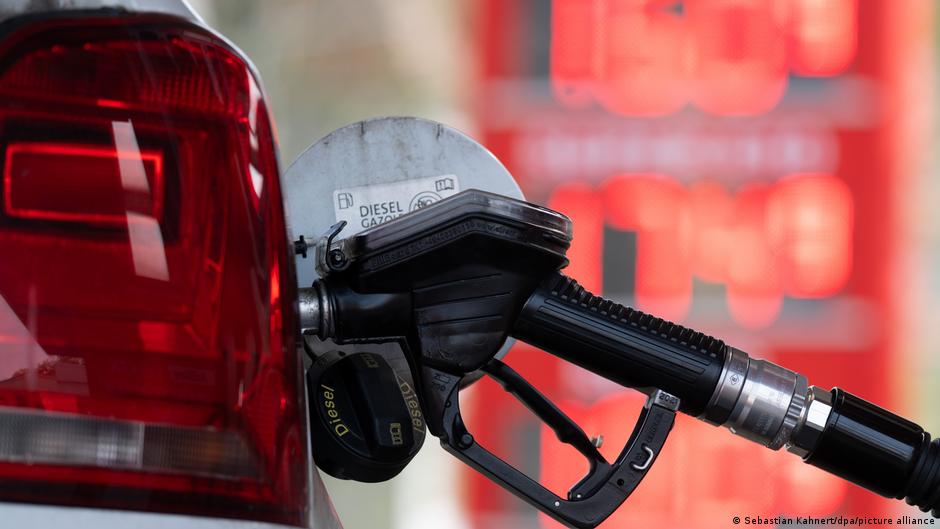
The German government has announced a new decision imposing restrictions on gas stations, allowing them to raise gasoline prices only once a day in an effort to curb the increasing price hikes. This decision comes at a time when fuel prices in Germany and worldwide are experiencing notable increases due to tense geopolitical events.
This move follows a surge in gasoline prices in Germany, which have risen by more than 15% since the onset of the conflict between the United States and Israel on one side and Iran on the other. The decision was adopted by the ruling coalition, which includes the Christian Democratic Union and the Social Democratic Party, inspired by a similar system in Austria, aimed at enhancing transparency and reducing price volatility.
Details of the New Regulation
The new law was published on Tuesday, allowing prices to be lowered at any time, while fines of up to €100,000 (approximately $115,000) can be imposed on stations that violate these rules. This decision has raised many questions about its effectiveness in addressing the ongoing increases in fuel prices, as experts, including the German Automobile Club (ADAC) and fuel traders, have expressed skepticism about its actual impact.
These measures come at a time when German citizens are facing increasing economic pressures due to rising living costs, making this decision particularly significant in the context of consumer protection.
Background & Context
Historically, Germany has faced several economic crises that have impacted fuel prices, but the current increase is considered among the most severe, coinciding with escalating tensions in the Middle East. Since the beginning of the Iranian conflict, global oil markets have been significantly affected, leading to increased gasoline prices in many countries, including Germany.
The German government aims through these measures to provide greater stability for consumers, especially under the difficult economic conditions many citizens are experiencing. There are also increasing calls from various sectors to adopt long-term strategies to ensure fuel price stability.
Impact & Consequences
This decision is seen as an important step toward consumer protection, but it may not be sufficient on its own to tackle larger economic challenges. If oil prices continue to rise, the government may need to take additional measures to ensure market stability.
Moreover, these restrictions may affect the profits of gas stations, potentially leading to changes in the market. It is crucial to monitor market reactions to these measures and how they will impact prices in the future.
Regional Significance
Arab countries are significantly affected by global oil prices, as many of these nations are oil producers. Therefore, any changes in prices in Europe, particularly in Germany, may impact the Arab market. Additionally, tensions in the Middle East, especially between Iran and Western countries, cast a shadow over oil price stability, requiring Arab nations to take proactive measures to ensure the stability of their markets.
In conclusion, this German decision highlights the importance of taking effective actions to address global economic challenges and reflects the need for long-term strategies to ensure price stability and protect consumers.