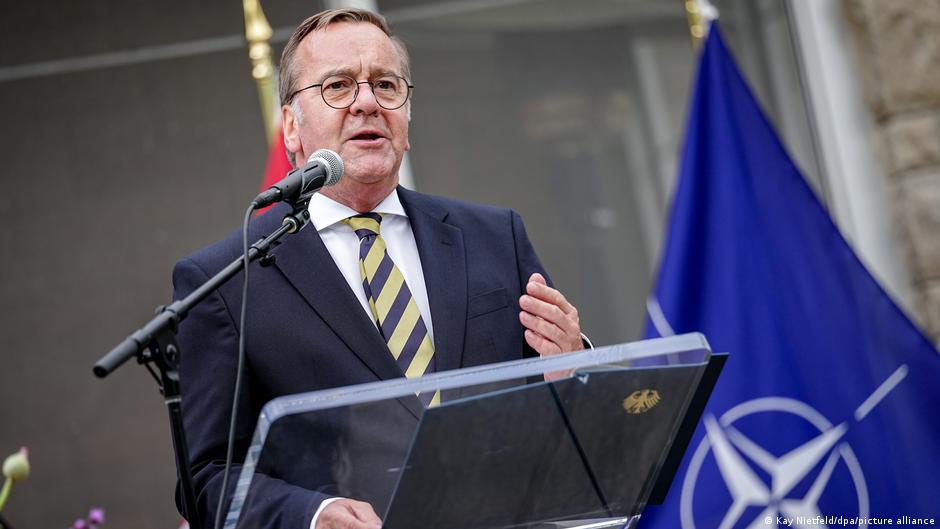
German Defense Minister Boris Pistorius expressed optimism about the possibility of finalizing a deal with Canada to purchase up to 12 new submarines from Germany. This statement was made during his visit to Montreal, where he confirmed that he leaves the country with high hopes for the success of this deal.
During his remarks, Pistorius stated, "I was optimistic when I came here, I was optimistic during my stay, and I leave also optimistic." Germany is trying to persuade Canada to buy submarines from Thyssenkrupp Marine Systems, while facing strong competition from South Korea.
Details of the Event
Pistorius clarified that cooperation among NATO allies, such as Germany and Norway, who have previously ordered submarines from Thyssenkrupp, represents a significant military advantage. He noted that "interoperability" among NATO allies is a massive military asset.
However, the minister faced criticism for the short duration of his visit, which lasted only three days, compared to the lengthy promotional tour conducted by South Korean competitors. Pistorius affirmed that "Europeans may operate differently than Asians in these matters," indicating that competition is fierce and that the best will win.
Background & Context
Modern submarines are a crucial part of naval defense strategies in many countries. In recent years, there has been an increase in demand for advanced submarines as nations seek to bolster their defensive capabilities amid rising geopolitical tensions.
Historically, Germany has been one of the leading countries in submarine manufacturing, boasting a strong reputation in this field. However, competition from countries like South Korea has significantly increased, making it essential for Germany to enhance its marketing efforts.
Impact & Consequences
If Germany succeeds in finalizing this deal, it will bolster its position as a naval power within NATO and reflect its commitment to enhancing defense cooperation with its allies. Additionally, this deal could lead to increased investments in the German defense sector, contributing to the strengthening of the local economy.
On the other hand, this deal may affect relations between Canada and South Korea, as it would be seen as a step toward strengthening defense cooperation with Germany at the expense of Asian competition. This could open the door for further collaboration among Western nations in defense and technology sectors.
Regional Significance
Amid regional tensions in the Middle East, developments like this deal may have indirect effects on Arab countries. Strengthening the defensive capabilities of Western nations could reflect a shift in the balance of power in the region, influencing defense strategies among Arab states.
Moreover, cooperation among Western nations in defense could lead to strengthened military partnerships with some Arab countries, contributing to the enhancement of their defensive capabilities.