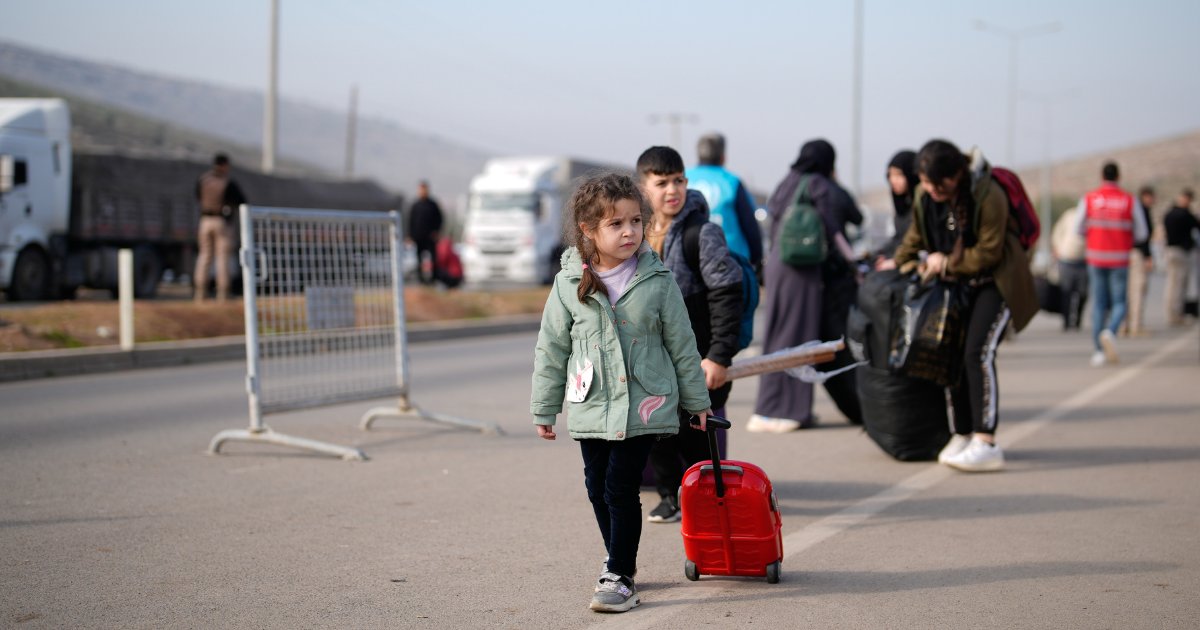
Germany and Syria are working on a new coordination plan aimed at facilitating the return of Syrian refugees to their homeland. This development comes amid ongoing political and economic changes in the region, highlighting the need to rebuild Syria and restore stability.
Informed sources have reported that the German government is developing new mechanisms to help organize the return of refugees, focusing on ensuring their rights and providing suitable conditions for them in their homeland. This initiative coincides with increasing international efforts to support reconstruction efforts in Syria, despite ongoing security and political challenges.
Details of the Coordination Efforts
Germany aims to enhance cooperation with the Syrian government regarding refugee returns, representing a part of a new policy designed to address the refugee crisis that has worsened since the onset of the conflict in Syria in 2011. Reports indicate that the number of Syrian refugees in Germany has exceeded 700,000, placing pressure on the German government to provide effective solutions.
In this context, the German government has confirmed that it will work to provide the necessary support for returning refugees, including assistance in rehabilitating homes and creating job opportunities. They will also seek to coordinate with humanitarian organizations to ensure that basic services are available to returnees.
Background & Context
Historically, Syria has experienced armed conflict that has led to the displacement of millions of citizens, creating one of the largest refugee crises in the world. Over the years, some areas in Syria have begun to experience relative stability, prompting some refugees to consider returning.
This initiative comes at a time when discussions about reconstruction in Syria are increasing, as the Syrian government seeks to attract foreign investments and provide a conducive environment for returnees. However, significant challenges remain, including deteriorating security and economic conditions in certain areas.
Impact & Consequences
This initiative could have significant implications for the humanitarian situation in Syria, as it may help improve living conditions for returnees and alleviate the burdens on host countries. However, questions remain about the Syrian government's capacity to accommodate returnees and provide the necessary services.
Moreover, this step may provoke mixed reactions in the international community, with some viewing the mass return of refugees as potentially exacerbating conditions in certain areas, while others see it as an opportunity to rebuild the country.
Regional Significance
The return of Syrian refugees to their homeland is a matter of great importance for the Arab region, as Syria's stability directly affects the security and stability of neighboring countries. This initiative may also pave the way for increased cooperation among Arab nations in the fields of reconstruction and development.
Ultimately, there is hope that these efforts will contribute to improving humanitarian conditions in Syria and providing new opportunities for returnees, reflecting the international community's commitment to supporting peace and stability in the region.