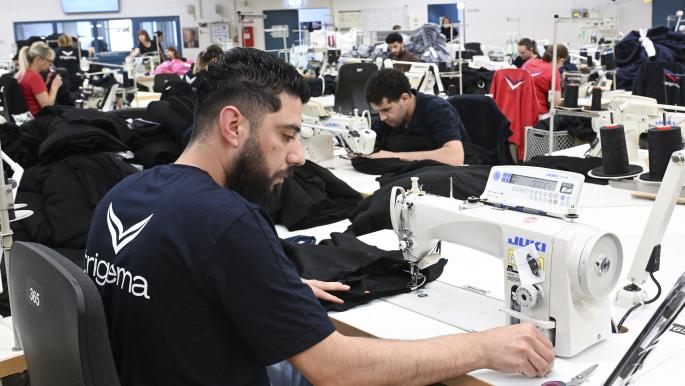
The German Association of Cities expects the German government to take positive steps that will allow skilled Syrian workers to remain in the country, regardless of the current situation in their home country. This approach comes at a time when Germany is experiencing an increasing demand for skilled labor across various sectors, reflecting the government's commitment to enhancing the local labor market.
This initiative is seen as a response to growing pressures from civil society organizations and associations advocating for a safe and stable working environment for Syrian workers who have fled the ongoing conflict in their homeland. The association has confirmed that these measures will help attract the necessary talents to support the German economy.
Details of the Initiative
These statements follow remarks made by German Interior Minister Nancy Faeser, who emphasized the importance of integrating migrants into German society. She pointed out that Syrian workers possess valuable skills that can contribute to the development of various sectors, including healthcare, engineering, and technology.
The German Association of Cities also confirmed that the government is working on establishing new mechanisms to facilitate residency procedures for skilled workers, which will help attract more migrants seeking to improve their living conditions. These steps come at a time when the German government is striving to address labor shortages in the local market.
Background & Context
Since the onset of the conflict in Syria in 2011, Germany has witnessed a significant influx of Syrian refugees, having welcomed over 700,000 refugees. However, many of them face challenges in obtaining work and residency permits, hindering their ability to contribute to the local economy.
Historically, Germany has been one of the leading countries in attracting migrants, relying on various strategies to draw skilled labor from around the world. With the increasing need for competencies amid global economic shifts, it appears that the German government is moving towards strengthening its immigration policies.
Impact & Consequences
If these steps are implemented, they will improve the situation for Syrian workers in Germany, enabling them to settle and build new lives. Additionally, these measures will contribute to strengthening the German economy by increasing the number of contributors in the labor market.
Moreover, this initiative may open the door for other countries in the European Union to reconsider their immigration policies, potentially leading to positive changes in how refugee and migrant issues are addressed.
Regional Significance
These developments are a positive indicator for many Arab countries suffering from conflicts and crises. Allowing Syrian workers to remain in Germany may encourage other countries to take similar steps to support refugees and migrants.
Furthermore, these policies could enhance opportunities for cooperation between Arab countries and Germany in the fields of education and vocational training, contributing to improved economic and social conditions in the region.
In conclusion, the anticipated steps from the German government reflect its commitment to supporting skilled labor and enhancing the local economy, which may contribute to improving the conditions of many Syrian refugees in the country.