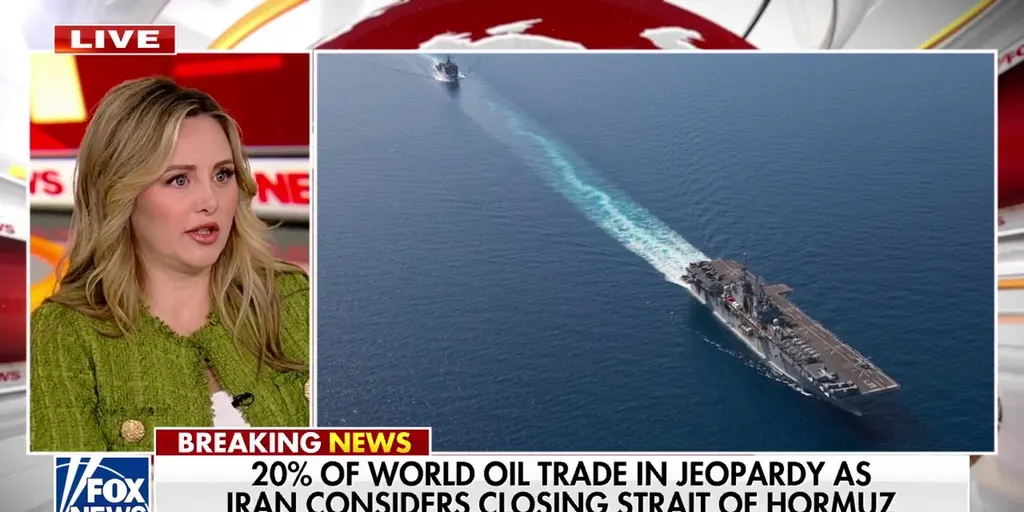
In a move reflecting ongoing tensions in the region, German Foreign Minister Johan Wadephul has urged Iran to reopen the Strait of Hormuz, one of the world's most vital maritime corridors. This request was made during a phone call with his Iranian counterpart Abbas Araghchi, where Wadephul stressed the importance of maintaining security and stability in the area.
These demands are part of Germany's ongoing efforts to support nuclear negotiations with Iran, aimed at preventing Tehran from developing nuclear weapons. Wadephul pointed out that reopening the strait would have a positive impact on international shipping, contributing to the strengthening of the global economy.
Details of the Request
The German Foreign Minister clarified that the Strait of Hormuz serves as a lifeline for the global economy, through which approximately 20% of the world's oil passes. In this context, Wadephul asserted that any threat to close the strait would lead to severe consequences for global markets.
He also indicated that Germany hopes Iran will respond to these requests and work to enhance dialogue rather than escalate tensions. These statements come at a sensitive time, as fears grow over escalating tensions between Iran and the United States and its allies in the region.
Background & Context
Historically, the Strait of Hormuz has witnessed numerous crises, serving as a stage for military and political tensions between Iran and Western countries. In recent years, these tensions have increased following the United States' withdrawal from the Iranian nuclear deal in 2018, leading to heightened confrontations between the two sides.
European countries, including Germany, are seeking diplomatic solutions to the crisis, believing that dialogue is the only way to achieve stability in the region. Germany has expressed its readiness to play a mediating role in negotiations, reflecting its commitment to regional security.
Impact & Consequences
If Iran responds positively to Germany's demands, it could lead to a de-escalation of tensions in the region, contributing to the stabilization of oil prices and enhancing international trade. However, any refusal from Tehran could escalate the situation, threatening maritime security in the strait.
This issue is significant not only for Germany but for the entire world, as any disruptions in the Strait of Hormuz could have a substantial impact on the global economy. Therefore, current diplomatic moves are of utmost importance in determining the future of Iranian-Western relations.
Regional Significance
Developments in the Strait of Hormuz directly affect neighboring Arab countries, many of which rely on oil passing through the strait. Any escalation in tensions could lead to rising oil prices, impacting the economies of these nations.
Moreover, the stability of the region depends on cooperation between Arab states and Iran. Thus, dialogue and negotiations are essential for achieving peace and stability in the area.
In conclusion, Germany's calls for reopening the Strait of Hormuz represent an important step towards enhancing security and stability in the region. It remains to be seen how Iran will respond to these demands and whether they will lead to positive outcomes in the nuclear negotiations.