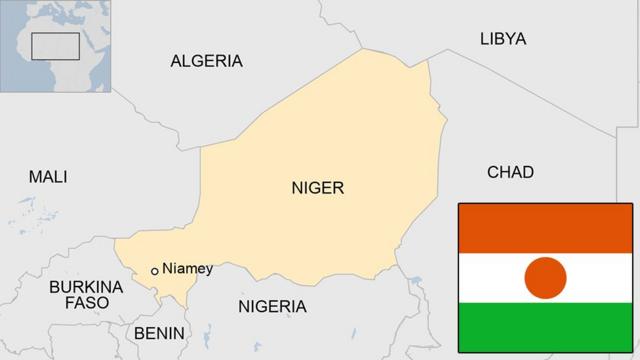
Germany has officially announced the withdrawal of its diplomatic staff from Niger, becoming one of the latest countries to take precautionary steps amid rising European concerns regarding escalating violence in West Africa. This decision underscores the growing fears of attacks targeting both civilians and diplomats, especially in light of the rising number of kidnappings carried out by armed groups.
The German government stated that citizens of Western countries have become primary targets of these operations, prompting this preventive measure. These developments follow the decision made by the United States in January, which encouraged its embassy staff in Niger to leave the country due to an uptick in terrorist attacks linked to al-Qaeda and ISIS.
Reports indicate that the activities of these groups have expanded over the past year, particularly in the border areas between Niger, Benin, and Nigeria, where the frequency of attacks has increased by 80%, resulting in a threefold rise in the number of casualties from these attacks.
The security situation in Niger poses a significant challenge, with the country experiencing escalating violence for more than a decade. The capital, Niamey, recently witnessed deadly attacks targeting military bases, reflecting a growing state of instability. Following the military council's takeover in 2023, the country has faced numerous security challenges, particularly concerning armed insurgency and strained relations with Western powers.
While the military council severed ties with France, it sought to strengthen cooperation with Russia for military support, indicating a shift in alliances and a search for alternatives. This change adds a layer of complexity to the political and security landscape in the region, where the military council must confront the challenge of restoring control over the country.
Incidents of kidnapping and attacks on foreign diplomats show that the risks are not limited to government forces but also include civilians residing or traveling in the region. This reflects an urgent need for a review of regional and international security policies, especially in light of the proliferation of extremist groups that exploit local conflicts for expansion.
Niger's increasing isolation from its traditional partners coincides with growing threats to civilians and diplomats, which necessitates a firm international stance to support political stability in the country. This complex security context requires collective efforts from international communities, particularly from major countries that can play a role in enhancing security and supporting the rebuilding of government institutions.
The situation in Niger is not isolated from events in the broader region, where extremist forces are rising in countries like Mali and Burkina Faso, calling for immediate international action to address this shared threat before it escalates.
Amid these circumstances, it becomes crucial for countries to communicate effectively and develop joint strategies to address these challenges, ensuring the safety of civilians and supporting peace-building efforts in the region.