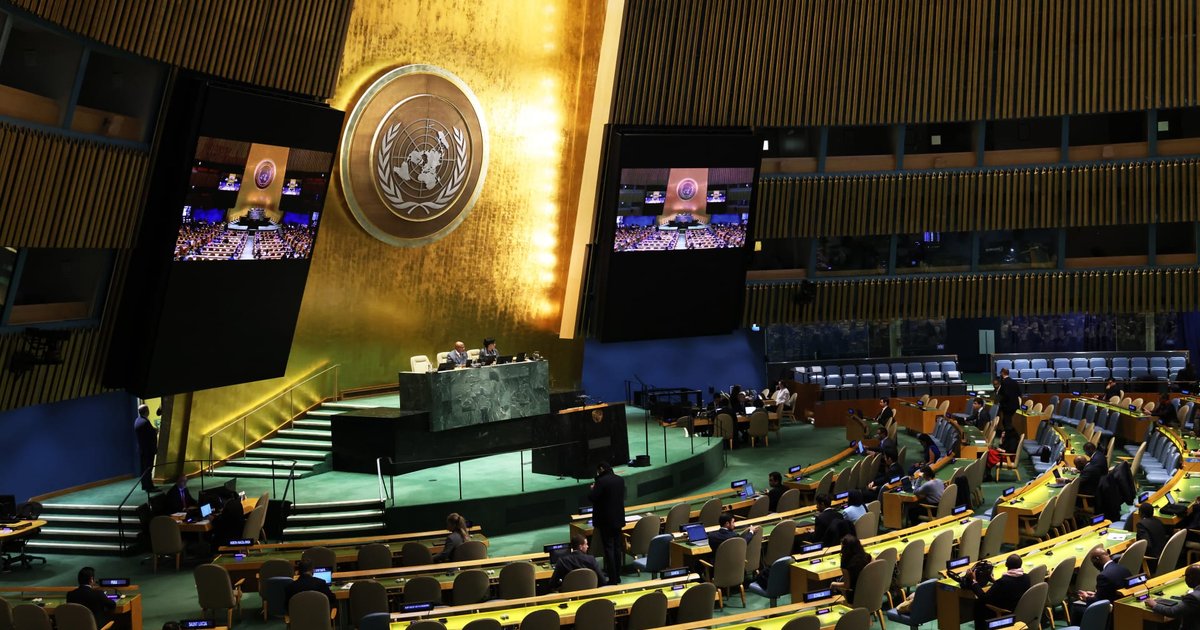
In a historic move, Ghana has urged the United Nations to recognize slavery as one of the gravest crimes in human history. This initiative will be presented during the UN General Assembly meeting scheduled for March 25, where it is expected to garner widespread support from African and Caribbean nations, while likely facing resistance from some Western countries.
This call comes at a time when global demands for acknowledgment of the negative impacts of slavery are increasing, which continue to affect communities today. Ghanaian officials have pointed out that formal recognition of this crime would help promote justice and reconciliation among nations that have suffered from the effects of slavery.
Details of the Initiative
This initiative will be presented during the UN General Assembly, where many African and Caribbean nations are expected to adopt this idea. The Ghanaian Foreign Minister noted that this step is part of Ghana's efforts to raise global awareness about the history of slavery and its ongoing impacts on societies.
Despite the anticipated support from developing nations, there are concerns that this initiative may face resistance from some Western countries, which might view the recognition of slavery as a historical crime as a challenge to their political and historical positions.
Background & Context
The history of slavery spans centuries, during which millions of Africans were forcibly enslaved and transported to the Americas and Europe. These practices have left deep scars on African societies, where many countries still suffer from poverty and discrimination due to this dark chapter in history.
In recent years, many countries have begun to reevaluate their histories related to slavery, with memorials and museums being established to document these painful experiences. There are also increasing calls for reparations for victims and their families, reflecting a shift in how this issue is being addressed globally.
Impact & Consequences
If this initiative is adopted, it could have significant implications for international relations, particularly between African nations and Western countries. Recognizing slavery as a crime may strengthen calls for reparations, potentially stirring new tensions in relations between nations.
Moreover, this acknowledgment could encourage other countries to take similar steps, enhancing global awareness of justice and reconciliation issues. It may also lead to increased support for educational programs focusing on the history of slavery and its impact on contemporary societies.
Regional Significance
Given the long history of slavery in the Arab region, this initiative may open the door for new discussions on how to address this legacy. There may be a need to reassess how slavery has impacted Arab societies, especially in light of current social and economic challenges.
This call could also contribute to enhancing cooperation between Arab and African nations in the fields of culture and education, fostering a shared understanding of the history of slavery and its repercussions.
In conclusion, Ghana's call for the recognition of slavery as one of the gravest crimes in history represents an important step toward achieving justice and reconciliation. If this initiative is adopted, it could lead to significant changes in how the history of slavery is addressed globally, reflecting the importance of acknowledging historical truths in building a better future.