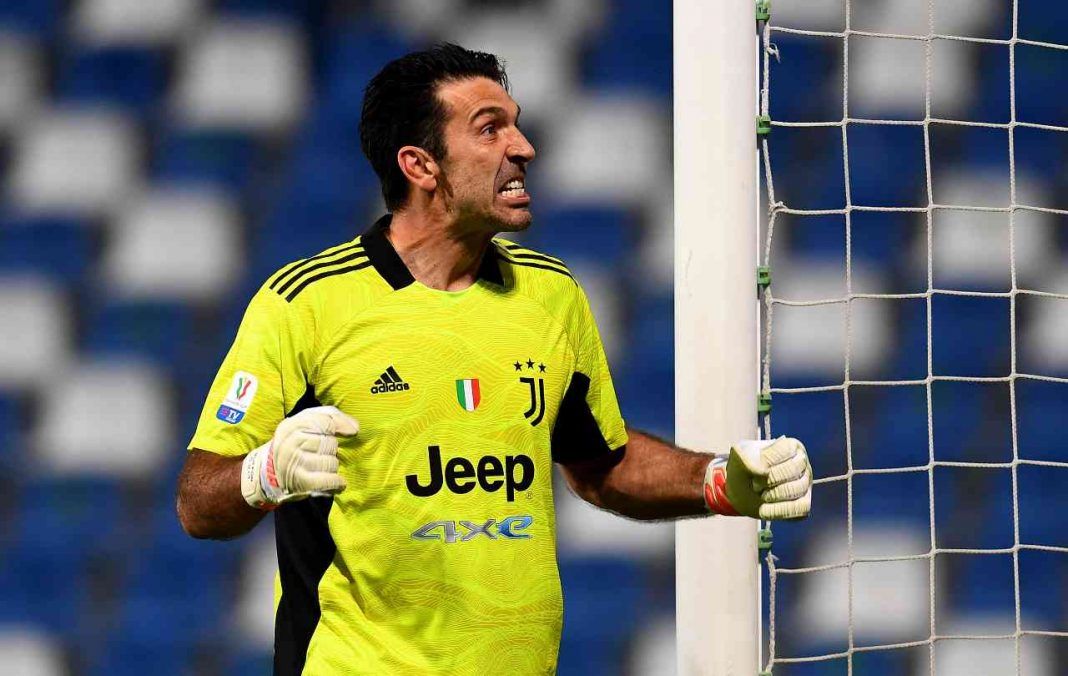
Former Italy goalkeeper Gianluigi Buffon has announced his resignation from his role as sporting director of Parma, indicating that the team has failed to achieve its desired objectives. This move comes at a time when the club is struggling with negative results in the Italian league, raising questions about the future of the team.
Buffon, regarded as one of the greatest goalkeepers in football history, stated in his remarks that his resignation was a result of his sense of responsibility towards the team's poor performance. He clearly mentioned, "We have failed to achieve what we aspired to, and that is the reason behind my decision to resign."
Details of the Event
Buffon's resignation follows a series of disappointing results for Parma, which currently occupies lower positions in the league table. The team has suffered several consecutive defeats, increasing pressure on the coaching staff and players. Buffon, who joined Parma in 2021 after a successful career with Juventus, had hoped to steer the team back to winning ways, but found himself in a difficult position.
The resignation has sparked mixed reactions among fans and critics, with some considering Buffon a victim of circumstances beyond his control, while others believe that the management needed radical changes to achieve success.
Background & Context
Historically, Buffon is considered a symbol of Italian football, having led his national team to victory in the 2006 World Cup. However, Italian football has seen a noticeable decline in recent years, with Italian teams struggling to compete strongly on the European stage. This decline reflects structural challenges in the Italian league, including weak investments in clubs and a drop in player quality.
Buffon's resignation is not just a passing event; it reflects a deeper crisis in Italian football that requires a comprehensive reevaluation. Italian clubs are facing difficulties in attracting young talents, leading to a decrease in the level of competition.
Impact & Consequences
Buffon's resignation could lead to radical changes in the management of Parma, as the administration is likely to seek a new sporting director capable of rebuilding the team. This move may also affect the morale of the players, who might feel the impact of the resignation on their performance in upcoming matches.
On a broader level, this resignation reflects the urgent need to reconsider how Italian clubs are managed. The challenges facing Italian football require new strategies to attract investments and improve player quality.
Regional Significance
Italian football has a significant impact on football fans in the Arab world, where many passionately follow European leagues. Buffon's resignation may affect Parma supporters in the region and raise questions about the future of Italian clubs in European competitions.
Furthermore, these events may prompt some Arab clubs to rethink how they manage their teams, drawing lessons from European experiences, whether successful or unsuccessful.
In conclusion, Buffon's resignation remains a significant event in the history of Italian football, highlighting the challenges facing clubs during this difficult time. The Italian league needs a thorough reevaluation to ensure its return to previous levels.