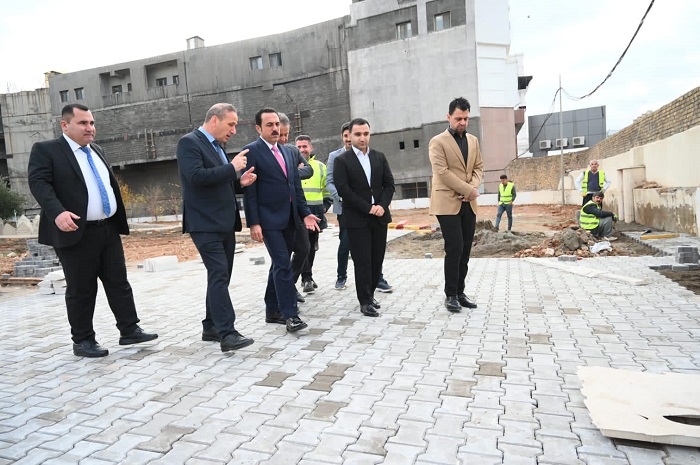
Giza Governorate has unveiled a comprehensive plan for the cemetery project, clarifying the status of applications submitted by citizens regarding this vital initiative. This announcement comes at a time when the governorate is witnessing a noticeable increase in demand for burial services, necessitating urgent measures to meet the needs of the residents.
The Giza Governorate aims through this project to organize burial services and provide new cemetery spaces, as part of improving the quality of life for citizens. Specialized committees have been formed to review the applications submitted by citizens, which will be addressed according to priorities and actual needs.
Details of the Cemetery Project
The cemetery project plan includes the establishment of new sites and the development of existing cemeteries, taking into account environmental and health standards. It has been emphasized that the project will rely on modern technologies to ensure a suitable burial environment. The project is expected to be implemented in phases, starting with the areas that are most in need.
In addition, a special budget has been allocated for this project, reflecting the governorate's commitment to meeting citizens' needs and improving the services provided. The importance of cooperation with relevant authorities has also been stressed to ensure the project's success.
Background & Context
Cemeteries are essential services needed by the community, especially in light of the ongoing population increase. In recent years, Giza Governorate has experienced a rise in population, leading to significant pressure on available burial services. Therefore, it was crucial to develop a strategic plan to meet these needs.
Historically, cemeteries in Giza have suffered from a lack of designated spaces, exacerbating the problem. With increasing demand, it has become necessary to consider innovative solutions that ensure the provision of necessary spaces in an organized and safe manner.
Impact & Consequences
The cemetery project is expected to contribute to improving the quality of services provided to citizens, reflecting the local government's concern for meeting residents' needs. Additionally, this project may help alleviate pressure on existing cemeteries, contributing to an improved environmental and health situation in the area.
Moreover, the implementation of this project could open up opportunities for local employment, thereby enhancing the economic situation in the region. Improving burial services may also enhance citizens' sense of psychological comfort amid the difficult circumstances they may face.
Regional Significance
The issue of cemeteries and the organization of burial services is a significant challenge facing many Arab countries. With the increasing population, the need for adequate burial services is growing. The experience of Giza Governorate could serve as a model for other governorates and Arab cities in how to address this issue.
Enhancing burial services is not merely an organizational matter; it also reflects the extent of governments' concern for their citizens and their commitment to providing a dignified life even after death. Therefore, the success of the cemetery project in Giza may positively influence public policies in Arab countries.
In conclusion, the cemetery project in Giza Governorate represents an important step towards improving the services provided to citizens and reflects the local government's commitment to meeting the needs of the population. This project is expected to contribute to enhancing the environmental and health situation and foster a sense of comfort and security among citizens.